

Choco Sirystes vs Panama Flycatcher
Sirystes albogriseus contro Myiarchus panamensis
Fai un quiz con Choco Sirystes e Panama Flycatcher
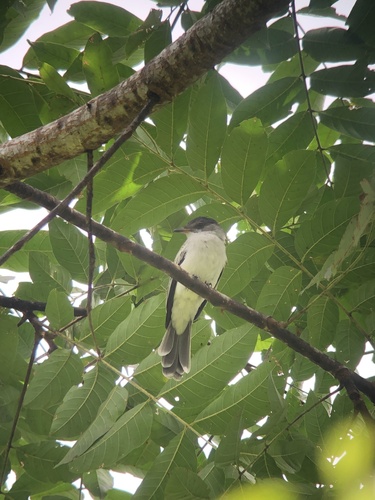 Choco Sirystes
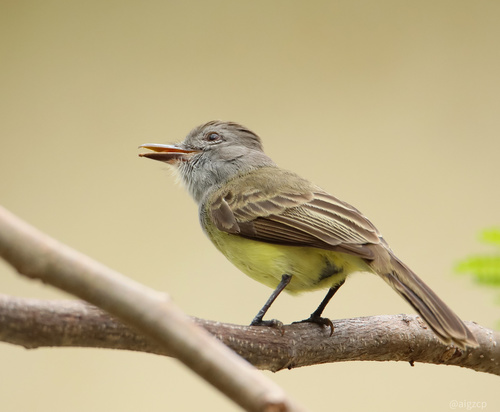 Panama Flycatcher
In breve
Il segno di campo più affidabile per separare il Choco Sirystes dal Panama Flycatcher è il modello di colore complessivo: il Choco Sirystes è un uccello grigio e bianco sorprendente con una corona nera e bordi bianchi audaci sulle ali, mentre il Panama Flycatcher ha una palette grigio-oliva e gialla più attenuata senza forti contrasti bianchi. I giovani Panama Flycatcher mostrano bordi rugginosi sulle copritrici delle ali e sulla coda, una caratteristica mai presente nel Choco Sirystes di qualsiasi età. Sul campo, il Choco Sirystes appare più pulito e più nettamente marcato, specialmente sul viso e sulle parti inferiori, mentre il Panama Flycatcher è più sporco e giallastro sotto. La struttura e la dimensione si sovrappongono, ma differenze sottili nel modello delle ali e della coda, così come nel colore delle parti inferiori, sono fondamentali per un'identificazione sicura.
Consigli di identificazione
- Bordi delle ali e della coda dei giovani: I giovani Panama Flycatcher mostrano bordi rugginosi (castagna) sulle copritrici delle ali e sulle piume della coda; i giovani Choco Sirystes non mostrano mai rugginoso, solo una leggera sfumatura buffa complessiva. Usa questo segno nella tarda estate o all'inizio dell'autunno quando i giovani sono presenti.
- Colore e modello della corona: Il Choco Sirystes ha una corona nera con una leggera cresta, in netto contrasto con la nuca e la schiena grigio chiaro. Il Panama Flycatcher ha una corona grigio-oliva con una cresta sottile e un centro leggermente più scuro, dando un aspetto leggermente striato, ma mai veramente nero.
- Contrasto facciale: Il Choco Sirystes ha un viso grigio ardesia che si distingue contro la corona nera e la nuca chiara. Il viso del Panama Flycatcher è grigio ma si fonde più dolcemente nella corona e nelle parti superiori.
- Parti superiori: Il Choco Sirystes ha una nuca e una schiena grigio chiaro con un sottocoda bianco, mentre il Panama Flycatcher è grigio-oliva sopra senza sottocoda bianco.
- Modello delle ali: Il Choco Sirystes mostra bordi bianchi audaci sulle copritrici delle ali e sulle secondarie, visibili come forti linee bianche o pannelli in volo o a riposo. Il Panama Flycatcher ha bordi giallo pallido solo sulle terziarie, non così estesi o contrastanti.
- Modello della coda: Il Choco Sirystes ha una coda scura con punte grigio-bianco; il Panama Flycatcher ha una coda marrone con vane esterne più chiare ma senza punte bianche.
- Parti inferiori: Il Choco Sirystes è grigio-bianco sulla gola e sul petto superiore, diventando bianco sull'addome e sul sottocoda. Il Panama Flycatcher è grigio sulla gola e sul petto, ma l'addome e il sottocoda sono distintamente gialli con una possibile sfumatura verdognola sui fianchi.
- Becco e zampe: Entrambe le specie hanno becchi scuri (a volte più chiari alla base) e zampe scure; non è un segno di campo affidabile.
- Dimensione e struttura: Il Panama Flycatcher è leggermente più grande, ma la differenza non è ovvia sul campo. Entrambi hanno proporzioni e postura simili.
- Aspetto in perching: Il Choco Sirystes appare spesso più pulito e più nettamente marcato, con un aspetto netto in bianco e nero. Il Panama Flycatcher è più sporco, con un aspetto più mescolato, oliva e giallo.
- Viste in volo: In volo, cerca i bordi bianchi audaci delle ali e il sottocoda bianco del Choco Sirystes rispetto alle ali più uniformi e alla mancanza di sottocoda bianco nel Panama Flycatcher.
- Contesto dell'habitat: Nella densa foresta umida del Chocó, favorisci il Choco Sirystes; in drier o edge habitats, il Panama Flycatcher è più probabile, ma si verifica sovrapposizione.
- Associazione in stormi: Il Choco Sirystes può unirsi a stormi di specie miste, specialmente nella chioma; il Panama Flycatcher è più spesso solitario o in coppie.
- Contesto stagionale: I segni giovanili (bordo rugginoso) sono presenti solo nel Panama Flycatcher nei mesi dopo la schiusa; i giovani Choco Sirystes non sono mai rugginosi.
- Sesso e età: Entrambe le specie sono sessualmente monomorfiche (maschi e femmine si somigliano), quindi il sesso non è un segno di campo utile.
Taglia
Entrambe le specie sono simili in dimensione, ma il Panama Flycatcher è leggermente più grande in media (19–20 cm, 28–38.5 g) rispetto al Choco Sirystes (17.5–19 cm, 32–36 g) [wikipedia][avonet]. La differenza è sottile e non sempre apparente sul campo. Entrambi hanno proporzioni simili, senza forti differenze nella forma del becco o nella lunghezza della coda notate nelle fonti.
Piumaggio
- Giovani: I giovani Panama Flycatcher hanno bordi rugginosi sulle copritrici delle ali e sulle piume della coda, che sono assenti nei giovani Choco Sirystes. I giovani Choco Sirystes somigliano agli adulti ma con una leggera sfumatura buffa complessiva, senza toni rugginosi o castagna [wikipedia].
- Adulti: Gli adulti Choco Sirystes hanno una corona nera con una leggera cresta, viso grigio ardesia, nuca e schiena grigio chiaro, sottocoda bianco e bordi bianchi audaci sulle copritrici delle ali e sulle secondarie. La coda è scura con punte grigio-bianco. Le parti inferiori sono grigio-bianco a bianche. Gli adulti Panama Flycatcher hanno una corona grigio-oliva (con una leggera cresta e centro più scuro), parti superiori grigio-oliva, viso grigio e ali con vane esterne giallo pallido sulle terziarie. La coda è marrone con vane esterne più chiare. Le parti inferiori sono grigie sulla gola e sul petto, con un addome giallo e copritrici del sottocoda (a volte con una sfumatura verdognola sui fianchi). Nessun forte bianco nelle ali o nella coda.
- Contrasto chiave: Il Choco Sirystes è molto più nettamente marcato, con una corona nera, sottocoda bianco e audaci bianchi nelle ali e nella coda, mentre il Panama Flycatcher è complessivamente più opaco, più oliva sopra e distintamente giallo sotto.
Comportamento
Entrambe le specie sono tipici tiranni, spesso posandosi in posizione eretta e lanciandosi per insetti. Il Choco Sirystes è noto per unirsi a stormi di specie miste e può essere visto prendere frutta oltre agli insetti. Il Panama Flycatcher non è descritto come unito a stormi così spesso, ma entrambi possono essere visti fare lanci aerei da posatoi esposti. Le differenze comportamentali sono sottili e non affidabilmente diagnostiche sul campo.
Habitat
Entrambe le specie si sovrappongono in Colombia, Ecuador e Panama, ma il Choco Sirystes è più ristretto alle foreste umide di pianura del Chocó, mentre il Panama Flycatcher è più diffuso e può essere trovato in una gamma più ampia di habitat boschivi, comprese le foreste più secche e i margini [wikipedia][ebird]. Se visto in una densa foresta umida, il Choco Sirystes è più probabile; in habitat aperti o di margine, il Panama Flycatcher è più atteso. Tuttavia, l'habitat da solo non è sufficiente per la separazione dove si sovrappongono gli areali.
Choco Sirystes · Panama Flycatcher · I miei uccelli difficili