

Central American Pygmy-Owl vs Burrowing Owl
Glaucidium griseiceps contro Athene cunicularia
Fai un quiz con Central American Pygmy-Owl e Burrowing Owl
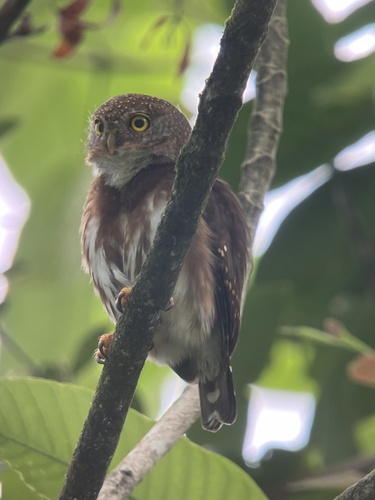 Central American Pygmy-Owl
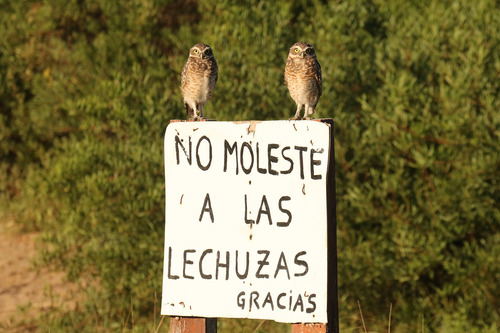 Burrowing Owl
In breve
Il segno distintivo più affidabile è la struttura generale: Burrowing Owl è molto più grande e con zampe più lunghe, con una postura terrestre e eretta, mentre Central American Pygmy-Owl è minuscolo, compatto e si posa sugli alberi. Il piumaggio giovanile è anche distintivo: i giovani Burrowing Owls mostrano una barra color crema sulle ali superiori e mancano della maggior parte delle macchie bianche sopra, mentre i giovani Central American Pygmy-Owls hanno una corona grigia uniforme e 'falsi occhi' nerognoli sulla nuca. Negli adulti, le prominenti sopracciglia e il mento bianchi del Burrowing Owl contrastano con la corona maculata e le parti inferiori striate del pygmy-owl. L'habitat è un forte indizio: il Burrowing Owl si trova su terreni aperti, spesso in praterie o siti disturbati, mentre il Central American Pygmy-Owl rimane in aree boschive o boscose. La dimensione da sola è un importante separatore: il Burrowing Owl è più di due volte più pesante e molto più lungo.
Consigli di identificazione
- La dimensione è un indizio principale: Burrowing Owl è molto più grande e massiccio rispetto al Central American Pygmy-Owl. Se l'uccello è delle dimensioni di un pettirosso o più grande, escludere il pygmy-owl.
- Lunghezza delle zampe e postura: Burrowing Owl ha zampe lunghe e grigio-verdastre e sta eretto, spesso a terra. Central American Pygmy-Owl ha zampe corte e si posa orizzontalmente sugli alberi.
- Schema delle ali giovanili: I giovani Burrowing Owls mostrano una barra color crema sulle ali superiori e mancano della maggior parte delle macchie bianche sopra; i giovani pygmy-owl hanno una corona grigia uniforme e 'falsi occhi' nerognoli sulla nuca.
- Segni facciali: Burrowing Owl ha sopracciglia bianche audaci e una macchia bianca sul mento, particolarmente evidente quando l'uccello muove la testa. Il Central American Pygmy-Owl non ha questi, mostrando invece una corona maculata e 'falsi occhi' sulla nuca.
- Schema delle parti inferiori: Gli adulti del Burrowing Owl hanno parti inferiori bianche con macchie o barre marroni; il pygmy-owl ha parti inferiori biancastre con striature marrone-rossicce (non macchie o barre).
- Corona e nuca: Gli adulti del Central American Pygmy-Owl hanno una corona maculata grigio-marrone e 'falsi occhi' scuri sulla nuca. La corona del Burrowing Owl è marrone con macchie bianche ma manca degli 'occhi' sulla nuca.
- Schema della coda: Il pygmy-owl ha barre chiare su una coda marrone ricco; la coda del Burrowing Owl non è specificamente descritta ma è meno distintamente barrata.
- Contesto dell'habitat: Terreni aperti, praterie o prati urbani indicano il Burrowing Owl. Foresta o bosco, specialmente posatoi a livello medio, indicano il pygmy-owl.
- Comportamento: Burrowing Owl è attivo a terra, spesso vicino a tane o posatoi bassi. Il pygmy-owl è arboricolo e raramente si vede a terra.
- Stile di volo: Burrowing Owl vola basso e diretto su terreni aperti; il pygmy-owl è più svolazzante e manovrabile in ambienti boschivi.
- Voce: Il Central American Pygmy-Owl emette hoot ritmici seguiti da una rapida serie; i richiami del Burrowing Owl sono più acuti e chiacchierini.
- Dimorfismo sessuale: Entrambe le specie mostrano poche differenze visibili tra i sessi; non fare affidamento sul sesso per l'ID.
- Sbiancamento solare: Gli adulti maschi del Burrowing Owl possono apparire più chiari a causa dell'esposizione al sole, ma mostrano comunque le stesse caratteristiche strutturali e facciali.
- Scelta del posatoio: Un piccolo gufo posato su un filo, un palo o a terra è probabilmente un Burrowing Owl; sugli alberi, specialmente in foresta, sospettare il pygmy-owl.
- Trappola: Da lontano, un Burrowing Owl posato può sembrare compatto, ma le lunghe zampe e i segni facciali bianchi sono solitamente visibili con i binocoli. I giovani pygmy-owls non mostrano mai la barra color crema delle ali dei giovani Burrowing Owls.
Taglia
Burrowing Owl è sostanzialmente più grande, misurando 19–28 cm di lunghezza e pesando 140–240 g, con un'apertura alare di 50.8–61 cm. Central American Pygmy-Owl è minuscolo in confronto, a 13–18 cm e 50–59 g. Anche a distanza, la dimensione del Burrowing Owl (circa quella di un American Robin o più grande) e le lunghe zampe sono evidenti, mentre il pygmy-owl appare piccolo e compatto. C'è qualche sovrapposizione nella lunghezza tra il più piccolo Burrowing Owl e il più grande pygmy-owl, ma la massa e il volume sono sempre molto maggiori nel Burrowing Owl.
Piumaggio
- Uccelli giovanili/immaturi: I giovani Burrowing Owls mancano della maggior parte delle macchie bianche sopra e delle barre marroni sotto, ma mostrano una barra color crema sulle ali superiori e possono avere un petto color crema (non bianco). I giovani Central American Pygmy-Owls hanno una corona grigia uniforme e 'falsi occhi' nerognoli sulla nuca—nessuna barra color crema sulle ali o sopracciglia chiare.
- Adulti: Gli adulti del Central American Pygmy-Owl hanno una corona maculata grigio-marrone, parti superiori marroni ricche, barre chiare sulla coda e parti inferiori biancastre con striature marrone-rossicce. Gli adulti del Burrowing Owl hanno teste e ali marroni con macchie bianche, prominenti sopracciglia bianche, una macchia bianca sul mento e parti inferiori bianche con macchie o barre marroni variabili.
- Contrasti chiave: Solo il Burrowing Owl mostra forti sopracciglia e mento bianchi, e solo il pygmy-owl ha una corona maculata e parti inferiori striate (non maculate/bandite). Entrambi mancano di ciuffi auricolari.
Comportamento
Burrowing Owl è altamente terrestre, spesso visto in piedi eretto a terra o posato su pali bassi, con una tendenza a muovere la testa e mostrare la sua macchia bianca sul mento quando è agitato. Le sue lunghe zampe sono sempre visibili. Central American Pygmy-Owl è arboricolo, posandosi silenziosamente sugli alberi, spesso a livelli medi, e raramente scende a terra. In volo, il Burrowing Owl è diretto e basso su terreni aperti, mentre il pygmy-owl si muove attraverso foreste o boschi e appare più compatto e arrotondato.
Habitat
Burrowing Owl è strettamente una specie di paese aperto, trovata in praterie, pascoli, deserti, campi agricoli e persino prati urbani o campi da golf—sempre dove la vegetazione è bassa e le tane sono disponibili. Central American Pygmy-Owl è un uccello di foresta o bosco, trovato in una vasta gamma di habitat boschivi dal Messico all'Ecuador, ma non in praterie aperte. Se vedi un piccolo gufo su terreni aperti, è quasi certamente un Burrowing Owl; in foresta o bosco denso, il pygmy-owl è molto più probabile.
Voce
Central American Pygmy-Owl emette una serie di 2–4 hoot equidistanti, poi una pausa, seguita da una rapida serie di 6–18 note simili ('huu-huu, huu-huu-huu...'), a volte con trilli. I richiami tipici del Burrowing Owl non sono descritti nelle note fornite, ma sono generalmente più acuti, chiacchierini o tintinnanti, e mancano del modello ritmico di hooting del pygmy-owl. Le vocalizzazioni sono improbabili da confondere se ascoltate bene.
Central American Pygmy-Owl · Burrowing Owl · I miei uccelli difficili