

Cassin's Vireo vs Cerulean Warbler
Vireo cassinii contro Setophaga cerulea
Fai un quiz con Cassin's Vireo e Cerulean Warbler
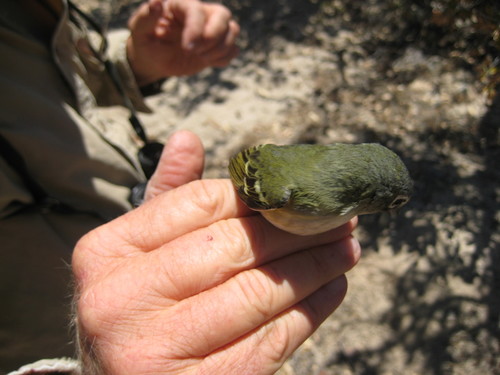 Cassin's Vireo
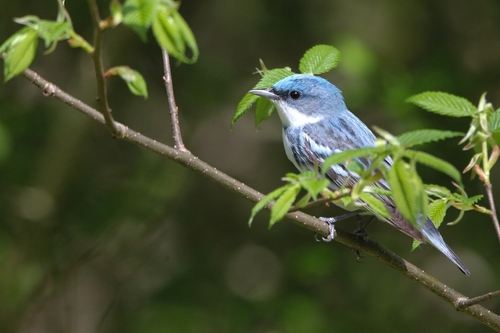 Cerulean Warbler
In breve
Il modo più affidabile per separare Cassin's Vireo da Cerulean Warbler è concentrarsi sul pattern facciale e sulla colorazione generale: Cassin's Vireo di qualsiasi età mostra audaci 'occhiali' bianchi ininterrotti attorno all'occhio e una testa grigio-oliva, mentre Cerulean Warbler (soprattutto i maschi adulti) ha un pattern blu e bianco con un sottile supercilio pallido, non occhiali. I Cerulean Warblers giovanili e femminili mostrano un dorso blu-verde e parti inferiori giallastre, mai il grigio-oliva e il bianco di Cassin's. Entrambe le specie hanno due barre alari bianche, ma Cassin's Vireo è più robusto e ha un becco più pesante, e tende a cercare cibo più in basso nella chioma. Cerulean Warbler è molto più delicato, con un becco più sottile e appuntito e uno stile di foraggiamento più attivo, simile a quello dei warbler, in alto tra le cime degli alberi. Anche le vocalizzazioni sono abbastanza diverse: Cassin's Vireo emette frasi lente e interrogative, mentre Cerulean Warbler canta un trill frizzante e accelerato.
Consigli di identificazione
- Occhiali bianchi (Cassin's Vireo): Cerca archi bianchi audaci e continui sopra e sotto l'occhio, formando 'occhiali'—presenti in tutte le età e sessi di Cassin's Vireo, assenti in Cerulean Warbler.
- Supercilio (Cerulean Warbler): Cerulean Warbler mostra un sottile sopracciglio pallido (supercilio) sopra l'occhio, non un occhiale completo; più evidente nelle femmine e negli immaturi.
- Colore generale: Cassin's Vireo è grigio-oliva sopra e bianco sotto, senza toni blu o gialli. I maschi di Cerulean Warbler sono blu sopra e bianchi sotto, con striature nere; femmine/immaturi sono blu-verdi sopra, giallastri sotto.
- Striscia sul petto e striature (maschio Cerulean Warbler): I maschi adulti di Cerulean Warbler hanno una collana blu scuro o nera e striature nere sui fianchi—mai viste in Cassin's Vireo.
- Barre alari: Entrambe le specie hanno due barre alari bianche, ma Cerulean Warbler ha anche macchie bianche sulla coda (visibili in volo o quando la coda è aperta), che Cassin's non ha.
- Forma del becco: Cassin's Vireo ha un becco più spesso e ricurvo tipico dei vireo; il becco di Cerulean Warbler è sottile, dritto e appuntito.
- Forma del corpo: Cassin's Vireo è più robusto e pesante; Cerulean Warbler è più piccolo, snello e più delicato.
- Stile di foraggiamento: Cassin's Vireo si muove lentamente e metodicamente, spesso fermandosi; Cerulean Warbler è veloce, agile e si muove attivamente attraverso la chioma.
- Altezza di appollaiamento: Cassin's Vireo è solitamente nella chioma medio-bassa; Cerulean Warbler è quasi sempre in alto tra le cime degli alberi.
- Voce: Cassin's Vireo canta frasi lente e interrogative ('cha-cha-cha'); Cerulean Warbler emette un trill veloce e frizzante ('zray zray zray zray zeeee').
- Area geografica: Cassin's Vireo è occidentale (stati del Pacifico, montagne); Cerulean Warbler è orientale (foreste di latifoglie). L'overlap è estremamente raro.
- Habitat: Cassin's preferisce boschi aperti e più secchi; Cerulean Warbler si trova in foreste decidue mature e umide.
- Contesto stagionale: Se visto in Occidente durante la stagione della riproduzione, è quasi certamente Cassin's Vireo; in Oriente, soprattutto in alto nella chioma, Cerulean Warbler è più probabile.
- Trappole di sesso/età: Le femmine e gli immaturi di Cerulean Warbler possono sembrare più opachi e potrebbero essere confusi con i vireo, ma mancano sempre di occhiali e hanno un lavaggio giallastro sotto.
- Pattern della coda: Se intravedi macchie bianche sulla coda in volo, è Cerulean Warbler; Cassin's Vireo non ha questa caratteristica.
Taglia
Cassin's Vireo è notevolmente più pesante e robusto, con una massa corporea di circa 14,6 g [wikidata], rispetto alla costruzione molto più leggera di Cerulean Warbler (8–10 g) [wikipedia]. Entrambi sono simili in lunghezza (circa 11–14 cm), ma Cassin's appare più massiccio, con un becco più spesso e una struttura complessivamente meno delicata. Cerulean Warbler è uno dei più piccoli warbler del genere Setophaga, con un becco snello e appuntito e un aspetto più compatto e agile. Sul campo, Cassin's Vireo spesso appare tozzo e lento, mentre Cerulean Warbler è veloce e leggero.
Piumaggio
- Uccelli giovanili/immaturi: Gli immaturi di Cerulean Warbler assomigliano alle femmine adulte, con parti superiori blu-verdi, un supercilio pallido (sopracciglio), parti inferiori giallastre e due barre alari bianche. Mancano dei forti occhiali facciali di Cassin's Vireo. Cassin's Vireo di tutte le età mostra parti superiori grigio-olive, parti inferiori bianche e audaci, continui occhiali bianchi attorno all'occhio, oltre a barre alari bianche.
- Maschi adulti: I maschi di Cerulean Warbler sono sorprendentemente blu sopra con una collana nera o blu e striature nere sui fianchi, bianchi sotto, e due barre alari bianche. I maschi di Cassin's Vireo non mostrano mai striature blu o nere, avendo invece una testa e un dorso grigio-olive, e nessuna collana sul petto.
- Femmine adulte: Le femmine di Cerulean Warbler sono blu-verdi sopra, giallastre sotto, con un sopracciglio pallido e senza striature o collana sul petto. Le femmine di Cassin's Vireo assomigliano ai maschi, con grigio-olive sopra, bianco sotto, e audaci occhiali.
- Pattern delle ali: Entrambe le specie hanno due barre alari bianche in tutte le età, ma Cerulean Warbler mostra anche macchie bianche sulla coda (non presenti in Cassin's Vireo).
Comportamento
Cassin's Vireo cerca cibo metodicamente nella chioma medio-bassa, muovendosi lentamente e deliberatamente mentre cerca insetti tra foglie e rami. Spesso si ferma per cantare ed è meno attivo della maggior parte dei warbler. Cerulean Warbler è molto più attivo e agile, cercando cibo in alto nella chioma, spesso tra i rami più esterni. I suoi movimenti sono rapidi e veloci, tipici dei warbler del genere Setophaga. Cassin's Vireo tende a rimanere in un'area per periodi più lunghi, mentre Cerulean Warbler è irrequieto e copre più terreno.
Habitat
Cassin's Vireo nidifica in boschi aperti e foreste delle montagne e colline occidentali (dal sud della Columbia Britannica attraverso gli Stati Uniti occidentali), spesso a medie altitudini e in habitat più aperti e secchi. Cerulean Warbler nidifica in foreste decidue mature del Nord America orientale, specialmente in grandi tratti di latifoglie, e sverna nelle foreste subtropicali dell'America del Sud. Durante la migrazione, Cerulean è raramente trovato nel lontano Ovest, mentre Cassin's non si trova nell'Est. Il contesto dell'habitat può essere un forte indizio: vedere un 'vireo' nella chioma alta di una foresta di latifoglie orientale in estate è molto più probabile che sia Cerulean Warbler.
Voce
Cassin's Vireo canta una serie di frasi brevi e fischianti, spesso alternando tra finali alti e bassi, con un ritmo di 'domanda e risposta' e una qualità 'cha-cha-cha'. Il suo canto è persistente e lento. Il canto di Cerulean Warbler è un trill frizzante e accelerato: 'zray zray zray zray zeeee', e il suo richiamo è un 'zzee' acuto e metallico. Il canto di Cerulean è più acuto, più veloce e più simile a un insetto rispetto a quello di Cassin's. Sul campo, la differenza nel tempo e nel tono del canto è solitamente evidente.
Cassin's Vireo · Cerulean Warbler · I miei uccelli difficili