

Gabbiano reale pontico vs Mugnaiaccio
Larus cachinnans contro Larus marinus
Fai un quiz con Gabbiano reale pontico e Mugnaiaccio
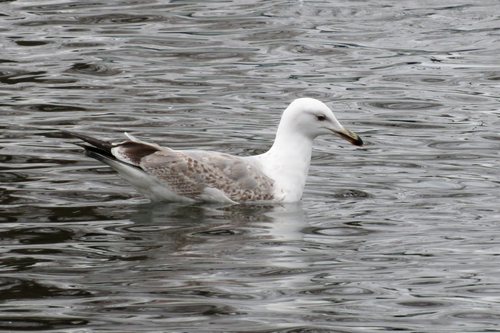 Gabbiano reale pontico
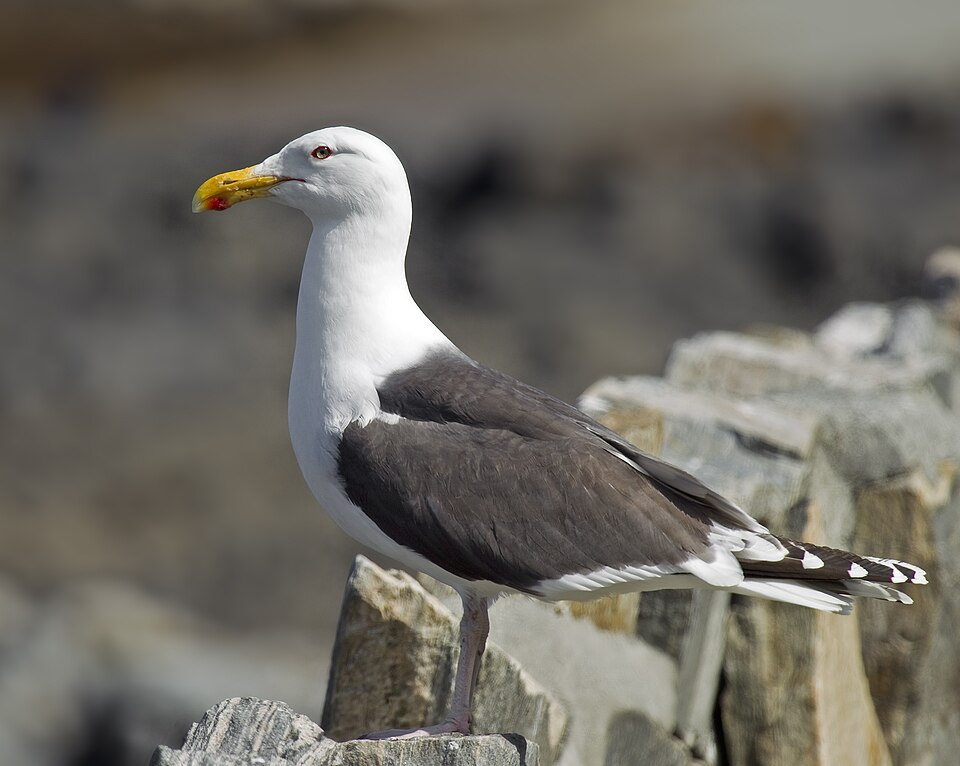 Mugnaiaccio
In breve
I gabbiani reali pontici juvenili e di primo inverno mostrano teste chiare con striature scure sul collo e due linee chiare sulle copritrici alari, mentre i mugnaiacci della stessa età sono molto più scuri, con parti superiori squamose e a scacchi e una coda audace e striata. Gli adulti sono più facilmente separabili: il mugnaiaccio è l'unico gabbiano molto grande nell'Atlantico settentrionale con un mantello e ali superiori di un nero intenso, mentre il gabbiano reale è di un grigio più chiaro. Il gabbiano reale è più snello, con zampe più lunghe e becco più lungo, con un occhio piccolo e spesso scuro, rispetto al mugnaiaccio, che è più massiccio e con un torace a botte. La struttura e il modo di volare, così come i modelli di ali e coda dei giovani, sono fondamentali per separare questi due, specialmente negli uccelli immaturi.
Consigli di identificazione
- Modello delle ali e della coda nei juvenili/primo inverno: Il gabbiano reale mostra due linee chiare sulle copritrici maggiori e mediane (dai bordi bianchi), una testa chiara con striature scure sul nape, e un dorso grigiastro. Il mugnaiaccio è molto più scuro, con parti superiori squamose e a scacchi e una coda bianca con barre a zigzag e una banda nera spezzata vicino alla punta—cerca questo audace modello di coda in volo.
- Oscurità generale negli immaturi: I juvenili del mugnaiaccio sono molto più scuri e più marcati sopra rispetto al gabbiano reale, che appare più chiaro e pulito, specialmente sulla testa e sulle parti inferiori.
- Forma del becco: Il gabbiano reale ha un becco lungo e snello (accentuato da una fronte inclinata), mentre il becco del mugnaiaccio è più robusto e potente. Questo è più evidente di profilo a riposo.
- Colore delle zampe: Le zampe del gabbiano reale sono di un rosa chiaro a giallastro, mentre quelle del mugnaiaccio sono di un grigio bluastro scuro con alcune tonalità rosa nei juvenili. Negli adulti, le zampe del mugnaiaccio rimangono rossastre ma sono generalmente più opache e scure rispetto a quelle del gabbiano reale.
- Colore degli occhi: Il gabbiano reale ha spesso un occhio piccolo e scuro, mentre l'occhio del mugnaiaccio non è specificamente descritto qui, ma non è un segno distintivo.
- Colore delle ali superiori/mantello negli adulti: L'adulto mugnaiaccio è l'unico gabbiano molto grande nell'Atlantico settentrionale con un dorso e ali superiori veramente neri. Il gabbiano reale è di un grigio chiaro sopra, mai avvicinandosi al nero del mugnaiaccio.
- Modello primario (adulto): Il primario più esterno del gabbiano reale ha una grande punta bianca e una lingua bianca lungo la rete interna, ma questo è sottile e non così evidente come l'oscurità generale dell'ala del mugnaiaccio.
- Struttura e modo di volare: Il gabbiano reale è lungo di zampe, lungo di collo e snello, con un becco lungo e una fronte inclinata, dando un aspetto più elegante e eretto. Il mugnaiaccio è massiccio, pesante e potente, con un collo spesso e un becco massiccio—che appare più minaccioso e meno aggraziato.
- Silhouette in volo: Il gabbiano reale appare più allungato e snello in volo, con ali e collo più lunghi, mentre il mugnaiaccio ha ali larghe e corpo pesante.
- Comportamento: Il mugnaiaccio è spesso visto dominare altri gabbiani, comportandosi aggressivamente, e persino cacciando altri uccelli. Il gabbiano reale è meno aggressivo e più propenso a essere visto oziare o nutrirsi con gruppi misti di gabbiani.
- Contesto dell'habitat: In ambienti marini o costieri dell'Atlantico settentrionale, specialmente in inverno, è più probabile vedere il mugnaiaccio. Il gabbiano reale è più spesso trovato nell'entroterra o nell'Europa orientale e in Asia, ma entrambi possono sovrapporsi in Europa occidentale.
- Progressione dell'età: Il mugnaiaccio impiega almeno quattro anni per raggiungere il piumaggio adulto, rimanendo più scuro e più marcato più a lungo rispetto al gabbiano reale, che matura più rapidamente e diventa più chiaro prima.
- Vocalizzazione: Se udito, il richiamo del mugnaiaccio è molto più profondo e risonante rispetto a quello del gabbiano reale.
- Trappola—sovrapposizione delle dimensioni: Anche se il mugnaiaccio è più grande, un grande maschio di gabbiano reale può avvicinarsi a una piccola femmina di mugnaiaccio in dimensioni; fai affidamento sulla struttura e sul piumaggio, non solo sulla massa.
- Trappola—altri gabbiani grandi: Entrambi possono essere confusi con il gabbiano comune o il gabbiano reale, ma solo il mugnaiaccio è veramente nero sopra come adulto; il gabbiano reale è sempre più chiaro e snello.
Taglia
Il gabbiano reale è un gabbiano grande (massa corporea media ~1154 g [wikidata]), ma il mugnaiaccio è ancora più grande e massiccio, il gabbiano più grande nel suo areale. Anche se la massa precisa per il mugnaiaccio non è fornita qui, è costantemente descritto come più pesante e potente, con un torace più ampio e una costruzione più robusta. Il gabbiano reale appare più lungo di zampe e più snello, con un collo e un becco più lunghi, mentre il mugnaiaccio è più tozzo e pesante.
Piumaggio
Il gabbiano reale juvenili/primo inverno ha una testa chiara con striature scure sul nape, parti inferiori chiare e un dorso grigiastro; le sue copritrici alari maggiori e mediane hanno punte bianche, formando due linee chiare attraverso l'ala. Al contrario, il gabbiano mugnaiaccio juvenili è molto più scuro nel complesso, con parti superiori squamose e a scacchi di colore marrone scuro, un viso e un nape più chiari, e penne alari marrone scuro. La coda del mugnaiaccio è bianca con barre a zigzag e una banda nera spezzata vicino alla punta, un forte segno distintivo in volo. Con l'età, il mugnaiaccio rimane più scuro e più marcato rispetto al gabbiano reale, acquisendo solo gradualmente le parti superiori nere dell'adulto nel corso di diversi anni. L'adulto gabbiano reale è di un grigio chiaro sopra, leggermente più scuro del gabbiano comune ma più chiaro del gabbiano reale; l'adulto mugnaiaccio è inconfondibile con le sue ali superiori e il dorso neri. Il primario più esterno del gabbiano reale ha una grande punta bianca e una lingua bianca lungo la rete interna, ma questo è sottile rispetto all'oscurità generale dell'ala del mugnaiaccio. Anche il colore del becco e delle zampe differisce: il becco del gabbiano reale è lungo e snello, le zampe di un rosa chiaro a giallastro; il becco del mugnaiaccio è più robusto, le zampe di un grigio bluastro scuro con tonalità rosa nei juvenili.
Comportamento
Il mugnaiaccio è notevolmente aggressivo e predatorio, comportandosi spesso più come un rapace—cacciando, uccidendo e nutrendosi di una vasta gamma di prede, inclusi altri uccelli e mammiferi. Il gabbiano reale, pur essendo grande e assertivo, non è descritto come essere quasi così predatorio o dominante. Nei gruppi misti di gabbiani, il mugnaiaccio spesso domina per pura dimensione e aggressività, mentre il gabbiano reale appare più elegante e meno conflittuale.
Habitat
Entrambe le specie possono essere trovate in habitat costieri e interni, ma il mugnaiaccio è strettamente legato alle coste e isole dell'Atlantico settentrionale, specialmente nel nord Europa e nel nord-est del Nord America. Il gabbiano reale è più diffuso in Eurasia, spesso trovato nell'entroterra così come lungo le coste. In Europa occidentale, il mugnaiaccio è più marino, mentre il gabbiano reale è sempre più trovato in laghi e bacini interni.
Voce
Il mugnaiaccio ha un richiamo profondo e ridanciano 'kaa-ga-ga', con la prima nota a volte prolungata e una voce decisamente più profonda rispetto alla maggior parte degli altri gabbiani. La voce del gabbiano reale non è descritta in dettaglio qui, ma non è notata come essere così profonda o distintiva come quella del mugnaiaccio.
Gabbiano reale pontico · Mugnaiaccio · I miei uccelli difficili