

Caribbean Martin vs Scaly-breasted Thrasher
Progne dominicensis contro Allenia fusca
Fai un quiz con Caribbean Martin e Scaly-breasted Thrasher
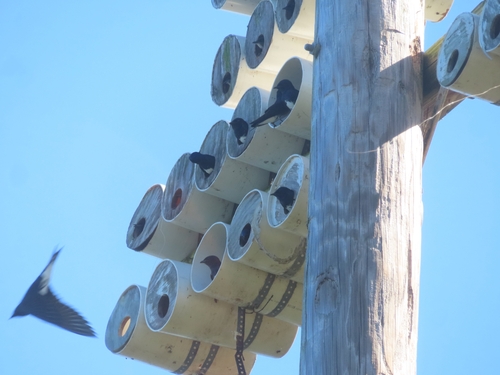 Caribbean Martin
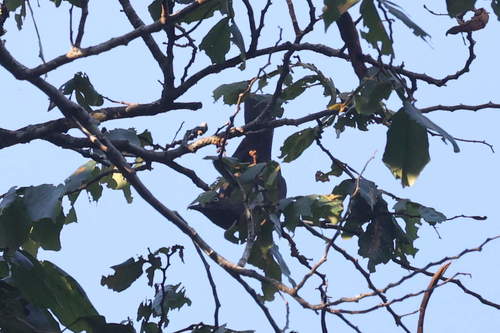 Scaly-breasted Thrasher
In breve
Il modo più affidabile per separare Caribbean Martin da Scaly-breasted Thrasher è la forma generale e lo stile di volo: il martin è una grande rondine dalle ali larghe con una coda forked e un volo rapido e agile, mentre il thrasher è un uccello canoro più massiccio e dal corpo più lungo con una coda dritta e movimenti più lenti e diretti. I martin maschi adulti mostrano un blu-nero lucido sopra con parti inferiori bianche nette, in contrasto con le parti inferiori striate e a scaglie del thrasher e le parti superiori dai toni terrosi. I martin giovanili e femminili possono essere più opachi, ma non mostrano mai i marcatori audaci sul petto del thrasher o la barra alare bianca. La forma del becco è anche un indizio rapido: i martin hanno un becco corto, largo e piatto per l'alimentazione aerea, mentre i thrashers hanno un becco leggermente ricurvo, simile a quello dei tordi. Il contesto e il comportamento—martin in aria aperta, thrashers in folti cespugli—sono spesso decisivi.
Consigli di identificazione
- Flight style: I martin sono volatori veloci e agili, spesso in alto e in aria aperta; i thrashers si muovono lentamente, di solito in vegetazione densa o a terra.
- Tail shape: Caribbean Martin ha una coda distintamente forked (tutte le età); Scaly-breasted Thrasher ha una coda dritta e scura con punte bianche (tutte le età).
- Bill shape: I martin hanno un becco corto, largo e piatto per catturare insetti in volo; i thrashers hanno un becco più lungo, leggermente ricurvo, simile a quello dei tordi, per sondare e cercare cibo.
- Underparts: I martin maschi adulti sono blu-neri lucidi sopra con parti inferiori bianche nette; le femmine/i giovanili sono più opachi ma hanno comunque parti inferiori bianche. I thrashers mostrano sempre marcature a scaglie audaci sul petto e sui fianchi, mai bianche pulite.
- Upperparts: I martin sono blu-neri lucidi (maschio) o più opachi (femmina/giovanile); i thrashers sono grigio-marroni con toni rossastri o scuri, mai blu-neri lucidi.
- Wing bar: Scaly-breasted Thrasher mostra una singola barra alare bianca (tutte le età), visibile quando è posato o con le ali ripiegate; il martin non ha alcuna barra alare.
- Tail pattern: La coda del thrasher ha punte bianche sulle piume esterne; la coda del martin è uniformemente scura e forked.
- Jizz: I martin sembrano aerodinamici e slanciati, con ali larghe e una coda forked; i thrashers sono più massicci, dal corpo più lungo e più simili a tordi nella postura.
- Group size: I martin sono spesso visti in gruppi, specialmente in volo; i thrashers sono solitari o in coppie.
- Habitat: I martin si trovano in aree aperte, vicino all'acqua, o in siti urbani/rurali; i thrashers si trovano in cespugli densi o ai margini delle foreste.
- Vocalization: I martin emettono richiami brevi e gorgoglianti; i thrashers cantano lunghe e varie canzoni simili a quelle dei merli.
- Perched posture: I martin si posano eretti su fili o rami esposti, spesso in gruppi; i thrashers si siedono più orizzontalmente, spesso in copertura.
- Seasonal confusion: Le femmine e i giovanili di martin sono più opachi ma non mostrano mai il petto a scaglie del thrasher o la barra alare bianca; fare attenzione ai martin opachi in scarsa luce.
- Feeding behavior: I martin catturano insetti in volo; i thrashers cercano cibo a terra o nella vegetazione.
- Pitfall: In scarsa luce, un martin opaco può sembrare marrone, ma la mancanza di parti inferiori a scaglie e la presenza di una coda forked lo separeranno dal thrasher.
Taglia
Scaly-breasted Thrasher è più grande e pesante, con un peso medio di circa 68 g e una lunghezza di 23 cm, con una corporatura robusta simile a quella di un tordo. Caribbean Martin è leggermente più piccolo con 18,5 cm e circa 40 g, con un profilo più slanciato e simile a quello di una rondine. Sul campo, il martin appare più snello e aerodinamico, mentre il thrasher appare più massiccio e dal corpo più lungo. La differenza di massa è notevole se visti fianco a fianco, ma la forma è di solito più evidente della dimensione.
Piumaggio
Non sono descritti schemi specifici delle ali superiori per età per nessuna delle due specie che sarebbero diagnostici in volo. I martin maschi adulti di Caribbean sono blu-neri lucidi sopra con parti inferiori bianche nette; le femmine e i giovanili sono più opachi, con petto e fianchi grigio-marroni ma comunque con parti inferiori bianche. Al contrario, tutti i Scaly-breasted Thrashers (indipendentemente dall'età o dal sesso) hanno parti superiori dai toni terrosi, una testa grigio-marrone scura e un aspetto distintivo a scaglie sul petto e sui fianchi—creato da marcature audaci grigio-marroni su parti inferiori biancastre. Il thrasher mostra anche una singola barra alare bianca (visibile quando è posato o con le ali ripiegate) e punte bianche sulle piume esterne della coda. I martin giovanili/femminili non mostrano mai le parti inferiori striate o a scaglie del thrasher o la barra alare bianca. La coda del martin è forked, mentre quella del thrasher è dritta e scura con punte bianche.
Comportamento
I Caribbean Martins sono quasi sempre visti volare in aria aperta, spesso in alto sopra il suolo, catturando insetti in volo con movimenti agili e rapidi. Sono gregari e possono essere visti in gruppi, specialmente vicino all'acqua o in aree aperte. I Scaly-breasted Thrashers sono cercatori terrestri o arboricoli, muovendosi lentamente e metodicamente attraverso la vegetazione densa o a terra, spesso da soli o in coppie. I loro movimenti sono più deliberati e raramente si lanciano in aria aperta come i martin.
Habitat
I Caribbean Martins si trovano in campagna aperta, vicino all'acqua, in aree urbane o in siti rurali con cavità adatte per la nidificazione (banchi, edifici, palme da cocco). Sono raramente visti in sottobosco denso. I Scaly-breasted Thrashers preferiscono cespugli densi, margini forestali e habitat arbustivi in tutto il Lesser Antilles. Se l'uccello è profondo nel cespuglio o cerca cibo a terra, il martin può essere escluso in sicurezza.
Voce
Caribbean Martin emette un richiamo gorgogliante 'chew-chew', tipico delle rondini—breve, semplice e non molto musicale. Scaly-breasted Thrasher ha una canzone molto più complessa: una serie di note e frasi varie, simili a quelle di un merlo ma più morbide e lente. Se senti una lunga, varia, canzone musicale, è il thrasher; richiami brevi e semplici indicano il martin.
Caribbean Martin · Scaly-breasted Thrasher · I miei uccelli difficili