

Buff-browed Foliage-gleaner vs Russet-mantled Foliage-gleaner
Syndactyla rufosuperciliata contro Syndactyla dimidiata
Fai un quiz con Buff-browed Foliage-gleaner e Russet-mantled Foliage-gleaner
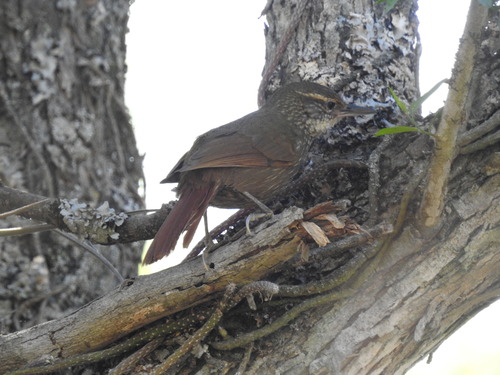 Buff-browed Foliage-gleaner
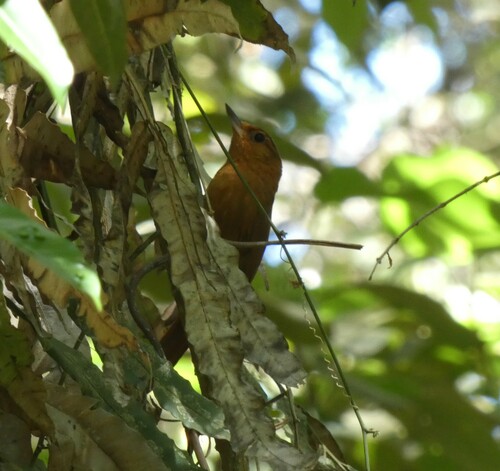 Russet-mantled Foliage-gleaner
In breve
Il segno di campo più affidabile tra Buff-browed e Russet-mantled Foliage-gleaners è il forte supercilium buff pallido di Buff-browed rispetto al profondo viso e supercilium rufescent-arancio di Russet-mantled. Buff-browed mostra un motivo striato o maculato sulle parti inferiori (a seconda dell'età), mentre Russet-mantled è per lo più non marcato rufous ocra sotto, con solo deboli striature sul petto negli adulti e barrature marroni nei giovani. Anche la forma e il colore del becco differiscono sottilmente, con Buff-browed che ha un becco spesso e leggermente curvato verso l'alto e Russet-mantled un becco più lungo e appuntito. Entrambe le specie si sovrappongono nell'areale in Brasile e Paraguay, ma Buff-browed è molto più diffuso. Sul campo, concentrati sul motivo del viso e sulle marcature delle parti inferiori per la separazione più chiara.
Consigli di identificazione
- Il motivo del viso è fondamentale: Buff-browed mostra un supercilium e un anello oculare buff pallido, in contrasto con un viso marrone; Russet-mantled ha un viso e un supercilium rufescent-arancio profondo, con copritrici auricolari più scure. Questo è il segno più affidabile in tutte le età.
- Marcature delle parti inferiori: Gli adulti di Buff-browed hanno parti inferiori striate o scallopate, specialmente sul petto e sull'addome; i giovani sono maculati. Gli adulti di Russet-mantled sono per lo più non marcati rufous ocra sotto, con solo deboli striature sul petto; i giovani hanno barre marroni sul petto e una gola biancastra.
- Forma del becco: Il becco di Buff-browed è spesso e leggermente curvato verso l'alto, mentre quello di Russet-mantled è più lungo e più appuntito. Questo può essere sottile ma è utile in buone visioni.
- Corona e parti superiori: Buff-browed ha una corona marrone oliva opaca con vaghe striature bianche e un dorso marrone oliva semplice; Russet-mantled ha una corona e parti superiori marrone rufescent brillante con una sfumatura cannella.
- Colore della coda: La coda di Buff-browed è rufous opaco; quella di Russet-mantled è rufous-castagna più ricca, a volte con un lavaggio castano sulle copritrici della coda superiore.
- Colore della gola: Buff-browed ha una gola biancastra con punte di piume marroni; gli adulti di Russet-mantled hanno una gola rufous ocra non marcata, mentre i giovani hanno una gola biancastra.
- Petto e addome: Cerca le ampie striature buffy-biancastre sfocate sull'addome di Buff-browed, che svaniscono verso il retro; Russet-mantled è per lo più semplice sotto.
- Marcature giovanili: Se vedi un uccello con un petto maculato (non striato), è un giovane Buff-browed; se il petto è barrato e la gola è biancastra, è un giovane Russet-mantled.
- Estensione del supercilium: Il supercilium pallido di Buff-browed si estende fino alla nuca; quello di Russet-mantled è rufescent più profondo e non si estende così lontano.
- Colore delle gambe: Entrambi hanno gambe di colore oliva a grigio marrone, non un forte separatore.
- Contesto dell'habitat: In Brasile e Paraguay, Buff-browed è più diffuso e tollerante della foresta disturbata; Russet-mantled è più raro e preferisce foreste chiuse o gallerie meno disturbate nel cerrado.
- Vocalizzazione: Se senti una serie di note 'tsjek' ascendenti con balbettio, sospetta Russet-mantled; la voce di Buff-browed non è descritta nelle fonti.
- Areale: Fuori dal Brasile e dal Paraguay orientale, qualsiasi Syndactyla è quasi certamente Buff-browed.
- Fagotti misti: Entrambe le specie si uniscono a fagotti misti, quindi il contesto non è un separatore.
- Sessi simili: Entrambe le specie non mostrano dimorfismo sessuale nel piumaggio, quindi non fare affidamento sul sesso per l'identificazione.
Taglia
Entrambe le specie sono foliage-gleaners di dimensioni medie, ma Russet-mantled è leggermente più pesante (media 29,0 g contro 25,6 g per Buff-browed) e simile in lunghezza (circa 17–18 cm per entrambe). Questa differenza di dimensioni è sottile e di solito non è diagnostica sul campo, ma Russet-mantled può apparire un po' più robusto, specialmente con il suo becco più lungo e appuntito.
Piumaggio
- Giovani: I giovani di Buff-browed mostrano parti inferiori maculate, mentre i giovani di Russet-mantled hanno una gola biancastra e barre marroni sul petto. Queste differenze sono più evidenti nel piumaggio giovanile fresco.
- Adulti: Buff-browed ha un anello oculare buff bruno e un supercilium pallido che si estende fino alla nuca, con un viso marrone e vaghe striature sulla corona. Le parti inferiori sono striate o scallopate con buffy-biancastre e marrone oliva, specialmente sul petto e sull'addome. Gli adulti di Russet-mantled hanno un viso rufescent-arancio profondo, specialmente sul supercilium e sulle copritrici auricolari, e una corona e parti superiori marrone rufescent brillante. Le loro parti inferiori sono per lo più non marcate rufous ocra, con solo deboli striature pallide sul petto e un cast oliva sui fianchi. La coda di Buff-browed è rufous opaco, mentre quella di Russet-mantled è rufous-castagna più ricca. Esistono differenze sottili nel colore delle ali, ma sono meno utili rispetto ai motivi del viso e delle parti inferiori.
Comportamento
Entrambe le specie si nutrono nel sottobosco della foresta fino al medio strato, spesso in coppie o come parte di fagotti misti di specie. Russet-mantled è noto per non tollerare foreste molto disturbate ed è considerato raro in tutto il suo areale, mentre Buff-browed è più diffuso e può essere incontrato in una gamma più ampia di tipi di foresta. Il comportamento di foraggiamento è altrimenti simile e non diagnostico.
Habitat
Buff-browed Foliage-gleaner ha un areale molto più ampio, trovato dall'Argentina e Bolivia attraverso Brasile, Paraguay, Perù, Ecuador e Uruguay, ed è adattabile a vari habitat forestali. Russet-mantled (Planalto) Foliage-gleaner è ristretto al Brasile e al Paraguay orientale, principalmente in foreste tropicali sempreverdi di pianura, foreste galleria e boschi all'interno del cerrado, da 100 a 1200 m di elevazione. Nelle aree di sovrapposizione, l'habitat da solo non è diagnostico, ma Russet-mantled è più sensibile al disturbo e meno probabile in foreste pesantemente alterate.
Voce
Il canto di Russet-mantled è descritto come una breve o lunghissima serie di note 'tsjek', ascendenti e balbettanti all'inizio e alla fine, e il suo richiamo di contatto è un forte 'cheh' nasale. Nessun dettaglio vocale è fornito per Buff-browed nelle fonti, quindi la voce non è un separatore affidabile a meno che non si senta il canto distintivo di Russet-mantled.
Buff-browed Foliage-gleaner · Russet-mantled Foliage-gleaner · I miei uccelli difficili