

Buff-breasted Wren vs Gray-breasted Wood-Wren
Cantorchilus leucotis contro Henicorhina leucophrys
Fai un quiz con Buff-breasted Wren e Gray-breasted Wood-Wren
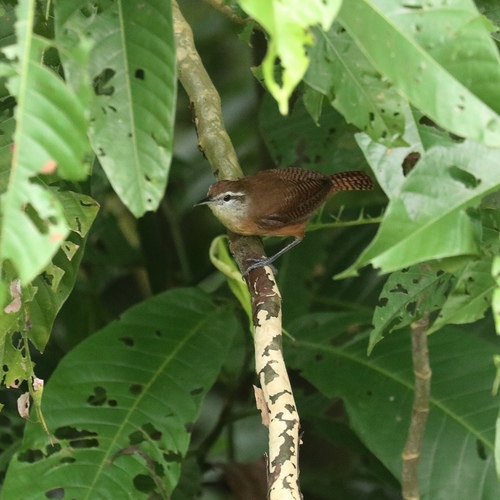 Buff-breasted Wren
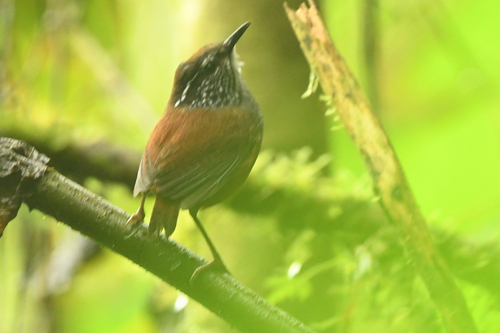 Gray-breasted Wood-Wren
In breve
Il segno di campo più affidabile tra Buff-breasted Wren e Gray-breasted Wood-Wren è il colore delle parti inferiori: Buff-breasted Wren mostra un petto e una pancia distintamente color ruggine a cannella, mentre Gray-breasted Wood-Wren è grigio sul petto con solo i fianchi che mostrano un po' di ruggine. I giovani di Buff-breasted Wren sono più chiari e opachi ma mostrano ancora un petto ruggine, mentre i giovani di Gray-breasted Wood-Wren assomigliano agli adulti nelle loro parti inferiori grigie. Entrambe le specie hanno code barrate, ma la coda di Buff-breasted Wren è più pesantemente e ampiamente barrata. Strutturalmente, Buff-breasted Wren è leggermente più grande e robusto, con parti superiori più rugginose, mentre Gray-breasted Wood-Wren è più piccolo, con una coda più corta e un modello facciale più contrastante. L'habitat può anche aiutare: Buff-breasted Wren preferisce i cespugli di pianura e i margini delle foreste, mentre Gray-breasted Wood-Wren si trova più spesso nelle foreste montane umide.
Consigli di identificazione
- Il colore delle parti inferiori è il segno più consistente: Buff-breasted Wren ha un petto e una pancia ruggine a cannella, mentre Gray-breasted Wood-Wren è grigio sul petto con solo i fianchi che mostrano ruggine. Questo funziona per tutte le età e i sessi.
- Piumaggio giovanile: I giovani Buff-breasted Wren sono più opachi ma mostrano ancora un petto ruggine chiaro, mentre i giovani Gray-breasted Wood-Wren sono grigio sul petto, corrispondendo agli adulti.
- Modello della coda: Entrambi hanno code barrate, ma la coda di Buff-breasted Wren è più pesantemente e ampiamente barrata, mentre la coda di Gray-breasted Wood-Wren è castagna con barre nere più fini.
- Modello facciale: Gray-breasted Wood-Wren ha un forte sopracciglio grigio-bianco, una larga striscia nera post-oculare e guance nere striate di grigio chiaro, dando un volto più contrastante. Il volto di Buff-breasted Wren è più semplice, con un sopracciglio meno distintivo e meno contrasto complessivo.
- Parti superiori: Buff-breasted Wren è rugginoso a marrone grigiastro sopra; Gray-breasted Wood-Wren è di un marrone oliva più scuro sulla nuca e sulle spalle, con un groppone e una coda castagna.
- Dimensioni e struttura: Buff-breasted Wren è più grande e robusto, con una coda più lunga. Gray-breasted Wood-Wren è più piccolo, più compatto e con una coda più corta. Questo è sottile e meglio utilizzato in confronto diretto.
- Postura in perching: Buff-breasted Wren spesso si posa più eretto e può essere visto cantare in aperto, mentre Gray-breasted Wood-Wren è più schivo e rimane basso in copertura densa.
- Habitat: Buff-breasted Wren preferisce i cespugli di pianura, il margine della foresta e la crescita secondaria. Gray-breasted Wood-Wren è tipico delle foreste montane umide e del sottobosco delle foreste nuvolose.
- Comportamento di foraggiamento: Gray-breasted Wood-Wren può seguire i gruppi di formiche soldato e foraggiare vicino al suolo; Buff-breasted Wren è più probabile che venga visto in coppie o gruppi familiari foraggiando in vegetazione bassa e densa.
- Contesto di distribuzione: Se ti trovi nel bacino amazzonico o nelle pianure delle Guiane, ci si aspetta di vedere Buff-breasted Wren. Nelle foreste montane dal Messico alla Bolivia, Gray-breasted Wood-Wren è il candidato probabile.
- Differenze sessuali: Entrambe le specie sono sessualmente monomorfiche nel piumaggio, quindi il sesso non è un segno utile di campo.
- La struttura del nido non è un segno di campo: Entrambe le specie costruiscono nidi a cupola, ma questo non è utile per l'identificazione sul campo.
- La voce non è dettagliata nelle note, quindi fai affidamento sul piumaggio e sulla struttura.
- La variazione stagionale è minima: Entrambe le specie mostrano poco cambiamento nel piumaggio stagionale, quindi concentrati su età e habitat.
- Quando hai dubbi, dai priorità al colore delle parti inferiori e al contrasto facciale, poi all'habitat e alla distribuzione.
Taglia
Buff-breasted Wren è il più grande dei due: i maschi pesano 18,5–22,8 g e le femmine 16,0–19,5 g [wikipedia]. Gray-breasted Wood-Wren è più piccolo, a 13,5–17,7 g [wikipedia]. Sul campo, Buff-breasted Wren appare spesso più robusto e con una coda più lunga, mentre Gray-breasted Wood-Wren appare più compatto e con una coda più corta. Entrambi sono piccoli scriccioli, ma la differenza di dimensioni è sottile e meglio utilizzata come segno di supporto.
Piumaggio
Giovani: I pulcini di Buff-breasted Wren sono complessivamente più opachi degli adulti, ma mostrano ancora un petto ruggine più chiaro, che è diagnostico rispetto al sempre grigio petto del giovane Gray-breasted Wood-Wren. In entrambe le età, Buff-breasted Wren mostra parti superiori rugginose a marrone grigiastro e una coda pesantemente barrata, mentre Gray-breasted Wood-Wren ha una nuca e spalle di un marrone oliva più scuro, un groppone e una coda castagna, e una coda con barre nere. Il modello facciale è più sorprendente in Gray-breasted Wood-Wren, con un lungo sopracciglio grigio-bianco, una larga striscia nera post-oculare e guance nere striate di grigio chiaro. Il volto di Buff-breasted Wren è più semplice, con un sopracciglio bianco a marrone grigiastro e meno contrasto. Le parti inferiori sono la chiave: Buff-breasted Wren ha un petto ruggine e una pancia a cannella, mentre Gray-breasted Wood-Wren è grigio sul petto con solo i fianchi inferiori e i lati della pancia che mostrano un ruggine scuro. Queste differenze si mantengono per adulti e immaturi.
Comportamento
Buff-breasted Wren è spesso visto in coppie o gruppi familiari, foraggiando in basso in cespugli densi o vegetazione ai margini, a volte posandosi per cantare. Gray-breasted Wood-Wren foraggia singolarmente o in piccoli gruppi, di solito vicino al suolo o fino a 2 m nel sottobosco denso, ed è noto per seguire i gruppi di formiche soldato. Entrambe le specie sono attive e segrete, ma Buff-breasted Wren potrebbe essere più propenso a posarsi in aperto per cantare, mentre Gray-breasted Wood-Wren tende a rimanere nascosto in copertura fitta.
Habitat
Buff-breasted Wren si trova nelle foreste amazzoniche e guianensi di pianura, così come nelle regioni non amazzoniche del Venezuela, Colombia e Panama orientale, preferendo cespugli densi, margini forestali e crescita secondaria. Gray-breasted Wood-Wren si estende dal Messico alla Bolivia, ma si trova più spesso nelle foreste montane umide, nelle foreste nuvolose e nel sottobosco denso a quote più elevate. Se ti trovi in cespugli di pianura, è più probabile vedere Buff-breasted Wren; nella foresta montana umida, aspettati Gray-breasted Wood-Wren.
Buff-breasted Wren · Gray-breasted Wood-Wren · I miei uccelli difficili