

Brown-cheeked Rail vs White-browed Crake
Rallus indicus contro Poliolimnas cinereus
Fai un quiz con Brown-cheeked Rail e White-browed Crake
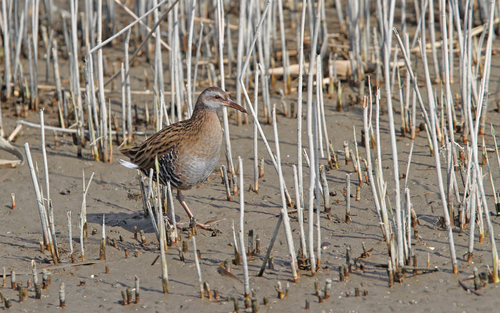 Brown-cheeked Rail
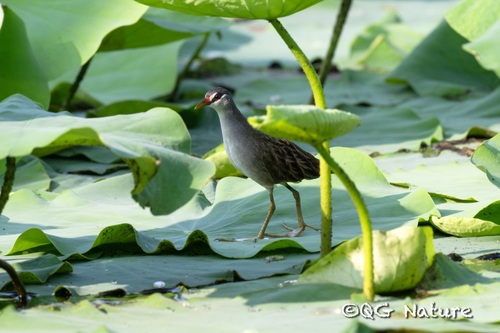 White-browed Crake
In breve
Il segno distintivo più affidabile tra il Brown-cheeked Rail e il White-browed Crake è la marcata striscia bruna sopra l'occhio e le parti inferiori con sfumature marroni del Brown-cheeked Rail, rispetto all'impressionante sopracciglio bianco del White-browed Crake e al suo schema facciale generalmente più chiaro e contrastante. Il Brown-cheeked Rail è più grande e massiccio, con un becco più lungo e un aspetto complessivo più tenue e marrone. In volo o a riposo, cerca la guancia e il petto marroni del Brown-cheeked Rail, rispetto al supercilium bianco e netto del Crake e alla sua struttura più delicata. L'habitat può anche aiutare: il Brown-cheeked Rail preferisce le paludi settentrionali e i canneti, mentre il White-browed Crake si trova più spesso in mangrovie tropicali e zone umide. Le vocalizzazioni differiscono notevolmente, ma è meno probabile che siano diagnostiche sul campo a meno che gli uccelli non stiano cantando.
Consigli di identificazione
- Brown eyestripe vs. white eyebrow: Il Brown-cheeked Rail mostra sempre una striscia marrone attraverso l'occhio, che si fonde con le parti inferiori con sfumature marroni; il White-browed Crake ha un supercilium bianco netto sopra l'occhio, dando uno schema facciale molto più contrastante. Questo è il modo più veloce per separarli a qualsiasi età.
- Underparts color: Il Brown-cheeked Rail ha parti inferiori e petto con sfumature marroni, specialmente rispetto alle parti inferiori più chiare e meno marroni del White-browed Crake.
- Throat color: Il Brown-cheeked Rail mostra una gola bianca in contrasto con il petto marrone, mentre la gola e il viso del White-browed Crake sono generalmente più chiari e più nettamente definiti.
- Size and structure: Il Brown-cheeked Rail è molto più grande e massiccio, con un becco più lungo e un corpo più pesante; il White-browed Crake è più piccolo, più leggero e più delicato nella struttura.
- Habitat context: Se l'uccello si trova in una palude temperata settentrionale o in un canneto, specialmente in Mongolia, Siberia o Giappone settentrionale, è più probabile che sia un Brown-cheeked Rail. Nelle mangrovie tropicali o nelle zone umide del Sud-est asiatico, Australia o Pacifico, è favorito il White-browed Crake.
- Behavior: Il Brown-cheeked Rail tende a muoversi più lentamente e deliberatamente, spesso camminando tra i canneti; il White-browed Crake è più agile, a volte camminando su vegetazione galleggiante o tra le radici delle mangrovie.
- Vocalizations: Se sentito, il Brown-cheeked Rail emette un richiamo acuto 'kyu' e note metalliche 'shrink, shrink'; queste non sono eguagliate dal White-browed Crake.
- Upperparts tone: Il Brown-cheeked Rail ha parti superiori più chiare rispetto ai rail correlati, ma è comunque generalmente più marrone sopra rispetto al White-browed Crake, che può apparire più grigio o più neutro.
- Distribution: Il Brown-cheeked Rail è migratorio e si trova principalmente nell'Asia settentrionale, svernando nel sud-est asiatico; il White-browed Crake è residente o migratorio localmente su un'area tropicale molto più ampia.
- Facial contrast: Il viso del White-browed Crake è più nettamente patternizzato, con il supercilium bianco che spicca; il viso del Brown-cheeked Rail è più tenue e marrone nel complesso.
- Bill length: Il Brown-cheeked Rail ha un becco visibilmente più lungo rispetto al White-browed Crake, che ha un becco più corto e più delicato.
- Plumage consistency: Non sono descritti segni specifici di volo o di ala per età per nessuna delle due specie, quindi fare affidamento sul colore della testa e delle parti inferiori a tutte le età.
- Seasonal confusion: Entrambe le specie possono verificarsi in Giappone e nel Sud-est asiatico in inverno, quindi utilizzare la livrea e la struttura piuttosto che solo l'area in queste regioni.
- Potential pitfalls: I Brown-cheeked Rail immaturi possono apparire più chiari sopra, ma mantengono sempre la striscia bruna sopra l'occhio; il White-browed Crake non mostra mai una striscia bruna sopra l'occhio, nemmeno da giovane.
- Sex differences: Non è descritto un forte dimorfismo sessuale per nessuna delle due specie, quindi tutti i segni si applicano a entrambi i sessi.
Taglia
Il Brown-cheeked Rail è significativamente più grande, misurando 23–29 cm di lunghezza e pesando 75–190 g [wikipedia]. Appare più massiccio e con un becco più lungo rispetto al White-browed Crake, che è più piccolo e più leggero nel complesso [wikipedia]. In un confronto diretto, ci si aspetta che il Rail appaia più robusto e meno delicato rispetto al Crake, che ha un aspetto più compatto e snello tipico dei piccoli crake.
Piumaggio
Non sono descritti segni specifici di ala superiore o di volo per età per nessuna delle due specie, quindi ci si concentra sulla livrea della testa e del corpo. Il Brown-cheeked Rail di tutte le età mostra una distintiva striscia bruna sopra l'occhio, parti inferiori con sfumature marroni e parti superiori più chiare rispetto ai rail correlati. La gola è bianca, in contrasto con il petto marrone. Il White-browed Crake, al contrario, ha un sopracciglio bianco prominente (supercilium) sopra l'occhio, dando al viso un aspetto più contrastante e netto. Le parti inferiori del Crake sono generalmente più chiare e meno marroni, e il suo schema facciale è molto più nettamente definito. Queste differenze sono coerenti attraverso le età, poiché non sono notati segni specifici per i giovani per nessuna delle due specie.
Comportamento
Entrambe le specie sono riservate e si nascondono nella densa vegetazione delle zone umide, ma il Brown-cheeked Rail è più probabile che venga visto camminare o correre tra i canneti e le paludi, occasionalmente avventurandosi in fango aperto o ai margini dell'acqua. Il White-browed Crake si trova spesso nelle mangrovie e può essere visto camminare su vegetazione galleggiante o tra le radici delle mangrovie. Entrambi possono essere timidi e difficili da spaventare, ma la maggiore dimensione del Rail e i suoi movimenti più lenti e deliberati possono essere un indizio, mentre il Crake può apparire più agile e veloce.
Habitat
Il Brown-cheeked Rail nidifica nel nord della Mongolia, nell'est della Siberia, nel nord-est della Cina, in Corea e nel Giappone settentrionale, preferendo paludi d'acqua dolce e canneti [wikipedia]. In inverno, migra nel sud-est asiatico ma rimane legato a habitat paludosi. Il White-browed Crake è molto più diffuso nei tropici e nei subtropici, trovato dall'Australia al Sud-est asiatico e alle isole del Pacifico, ed è particolarmente associato a foreste di mangrovie e zone umide [wikipedia]. Se visto in una mangrovia o in una zona umida costiera tropicale, è più probabile che sia un White-browed Crake; nelle paludi temperate o settentrionali, è favorito il Brown-cheeked Rail.
Voce
Il Brown-cheeked Rail ha un richiamo acuto di corteggiamento 'kyu', più lungo e chiaro rispetto al Porciglione europeo, e una canzone di note metalliche e slavate 'shrink, shrink' ripetute in serie [wikipedia]. I suoi richiami sono abbastanza diversi da quelli del Porciglione e non sono risposti da quella specie. Le vocalizzazioni del White-browed Crake non sono descritte nelle note fornite, quindi la voce è solo diagnostica per il Brown-cheeked Rail se sentito emettere i suoi richiami distintivi.
Brown-cheeked Rail · White-browed Crake · I miei uccelli difficili