
Bronzy Hermit vs Long-billed Hermit
Glaucis aeneus contro Phaethornis longirostris
Fai un quiz con Bronzy Hermit e Long-billed Hermit
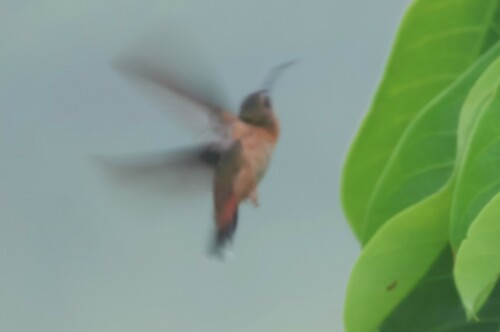 Bronzy Hermit
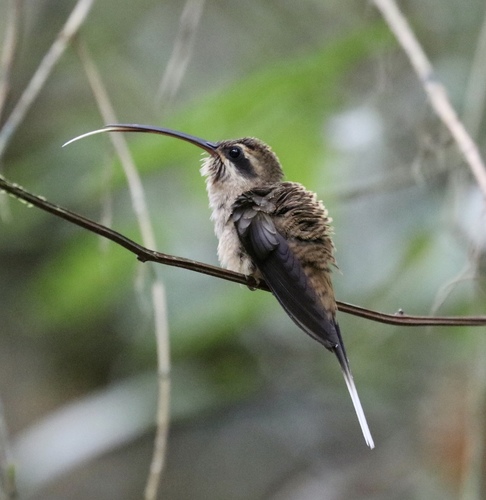 Long-billed Hermit
In breve
Il segno distintivo più affidabile tra Bronzy Hermit e Long-billed Hermit è la dimensione e la struttura complessiva: Long-billed Hermit è molto più grande, con un becco proporzionalmente molto più lungo e fortemente ricurvo e una coda drammaticamente più lunga e graduata con punte bianche prominenti. Bronzy Hermit è compatto, con una coda corta e una lucentezza superiore più bronzata o verde rame. Entrambe le specie hanno una striscia facciale bianca, ma quella di Long-billed Hermit è più audace e la silhouette dell'uccello è più slanciata. In volo o posato, concentrati sulla lunghezza della coda e sulla forma del becco per la separazione più rapida. I modelli di ali o coda specifici per i giovani/imma non sono descritti nelle fonti per nessuna delle due specie.
Consigli di identificazione
- La dimensione è un indizio importante: Long-billed Hermit è molto più grande e lungo di Bronzy Hermit. Se l'uccello sembra grande per un eremita, specialmente con una lunga coda, sospetta Long-billed.
- Lunghezza e forma della coda: Long-billed Hermit ha una coda drammaticamente lunga e graduata con punte bianche prominenti sulle piume centrali; Bronzy Hermit ha una coda corta e squadrata con punte bianche ma mai così lunga o graduata.
- Forma e lunghezza del becco: Il becco di Long-billed Hermit è molto lungo e fortemente ricurvo; il becco di Bronzy Hermit è più corto e meno drammaticamente curvato. Le femmine di Bronzy Hermit hanno un becco più curvo rispetto ai maschi, ma mai così lungo come Long-billed.
- Modello facciale: Entrambi hanno una striscia facciale bianca, ma quella di Long-billed Hermit è più ampia e audace, spesso dando un contrasto facciale più marcato. Il volto di Bronzy Hermit è scuro con un 'baffo' bianco (striscia malare), non così audace.
- Colore delle parti superiori: Bronzy Hermit mostra una lucentezza bronzata o verde rame sopra, mentre Long-billed Hermit è marrone verdastro o verde metallico opaco, privo delle tonalità bronzate/rame.
- Parti inferiori: Bronzy Hermit ha una gola e un petto di un buff profondo con un ventre di un buff chiaro; Long-billed Hermit è marrone chiaro a grigio chiaro (a volte ocra o più bianco in alcune sottospecie), mai così buffo come Bronzy.
- Parte inferiore della coda: Bronzy Hermit ha una base rossastra, un centro nerastro e una punta bianca sotto; la coda di Long-billed Hermit è per lo più scura con lunghe punte bianche, specialmente sulle piume centrali.
- Copritrici della coda superiore: Long-billed Hermit mostra bande ocra sulle copritrici della coda superiore in alcune sottospecie; Bronzy Hermit non lo fa.
- Aspetto in volo: Long-billed Hermit appare slanciato ed allungato con una coda che si trascina; Bronzy Hermit è compatto e veloce.
- Comportamento di lek: Se vedi un gruppo di eremiti che cantano e mostrano lunghe code, è Long-billed Hermit; Bronzy Hermit non fa lek.
- Voce: Una serie continua di note 'sweeup' o 'tchee' o un richiamo acuto 'week!' è Long-billed Hermit. La voce di Bronzy Hermit's non è descritta, quindi usa questo solo per una identificazione positiva di Long-billed.
- Habitat e altitudine: In altitudini più elevate o ai margini delle foreste/foreste nuvolose, Long-billed Hermit è più probabile. Bronzy Hermit preferisce il sottobosco delle foreste umide di pianura/colline.
- Differenze sessuali: Entrambe le specie hanno un piumaggio simile tra i sessi, ma la lunghezza/curvatura del becco può aiutare: i maschi di Long-billed Hermit hanno becchi più lunghi e meno curvi; le femmine di Bronzy Hermit hanno becchi più curvi, ma mai così lunghi come Long-billed.
- Nessun utile modello di ali o coda per giovani/imma: Nessuna delle due specie ha un segno di ali o coda specifico per l'età descritto, quindi concentrati sulla struttura e sul piumaggio adulto.
- Quando hai dubbi: Se l'uccello è piccolo, compatto, bronzato e con una coda corta, è Bronzy Hermit. Se è grande, con una lunga coda, una striscia facciale bianca audace e un lungo becco, è Long-billed Hermit.
Taglia
Long-billed Hermit è sostanzialmente più grande: 13–16 cm di lunghezza e 5–7,5 g (maschio) o 4–6,5 g (femmina) di massa, rispetto ai 9–10 cm e 3–6,5 g (maschio) o 3–6 g (femmina) di Bronzy Hermit [wikipedia][avonet]. Questa differenza di dimensione è ovvia sul campo, specialmente quando entrambe le specie sono presenti. Long-billed Hermit appare anche con una coda e un becco più lunghi, dando un aspetto allungato e slanciato, mentre Bronzy Hermit è compatto e con coda corta.
Piumaggio
- Modello di ali o coda per giovani/imma: Non ci sono modelli di ali o coda specifici per l'età descritti per nessuna delle due specie nelle fonti, quindi concentrati sul piumaggio adulto e sulla struttura.
- Bronzy Hermit: Entrambi i sessi hanno parti superiori bronzate o verde rame, una gola e un petto di un buff profondo, e un ventre di un buff chiaro. Il volto è scuro con un 'baffo' bianco (striscia malare). La coda è corta, grigio-verde sopra con punte bianche, e la parte inferiore è rossastra vicino alla base, nerastra nel mezzo, e con punte bianche [wikipedia].
- Long-billed Hermit: Le parti superiori sono marrone verdastro a verde metallico opaco (a seconda della sottospecie), le parti inferiori sono marrone chiaro a grigio chiaro (a volte ocra o più bianche in alcune sottospecie). Il volto ha una striscia bianca audace, e la coda è molto lunga e fortemente graduata, con lunghe punte bianche sulle piume centrali e bande ocra sulle copritrici della coda superiore. L'effetto complessivo è una coda molto più allungata e audacemente modellata e un aspetto meno bronzato rispetto a Bronzy Hermit [wikipedia].
- Sessi: Entrambe le specie mostrano un piumaggio simile tra i sessi, ma i maschi di Long-billed Hermit hanno becchi più lunghi e meno curvi rispetto alle femmine; le femmine di Bronzy Hermit hanno un becco più curvo rispetto ai maschi.
Comportamento
Entrambe le specie sono alimentatori tipici 'trap-line', visitando un circuito di fiori per nettare e occasionalmente prendendo piccoli artropodi. I maschi di Long-billed Hermit sono noti per il comportamento di lek, radunandosi in gruppi e cantando per lunghi periodi mentre mostrano le loro lunghe code. Bronzy Hermit non mostra comportamenti di lek comunali nelle fonti. In volo, Long-billed Hermit appare più languido e allungato a causa della sua lunga coda e becco, mentre Bronzy Hermit è più compatto e agile.
Habitat
Entrambe le specie si sovrappongono in America Centrale (Costa Rica, Panama, Colombia, ecc.), ma Long-billed Hermit ha un'ampia gamma di altitudini e habitat, dalla foresta pluviale di pianura ai margini delle foreste nuvolose e delle foreste galleria, fino a 2.500 m in alcune aree. Bronzy Hermit si trova in regioni simili ma è generalmente più ristretto a foreste umide di pianura e colline e ai loro margini. Nelle aree di sovrapposizione, Long-billed Hermit è più probabile in una gamma più ampia di tipi di foresta e altitudini, mentre Bronzy Hermit è più legato al sottobosco denso e umido delle foreste.
Voce
Long-billed Hermit canta una serie continua di note acute e sollevate 'sweeup' o 'tchee..tchee..tchee..' a seconda della sottospecie, e il suo richiamo è un acuto, esplosivo 'week!' o un sottile 'seep', spesso emesso in volo [wikipedia]. Le vocalizzazioni di Bronzy Hermit non sono descritte nelle fonti, quindi la voce è solo diagnostica se senti la canzone o il richiamo distintivo di Long-billed Hermit.
Bronzy Hermit · Long-billed Hermit · I miei uccelli difficili