

Bornean Peacock-Pheasant vs Malayan Peacock-Pheasant
Polyplectron schleiermacheri contro Polyplectron malacense
Fai un quiz con Bornean Peacock-Pheasant e Malayan Peacock-Pheasant
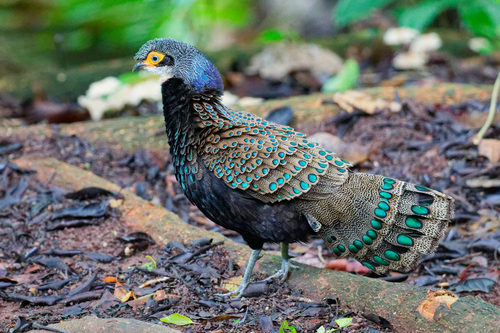 Bornean Peacock-Pheasant
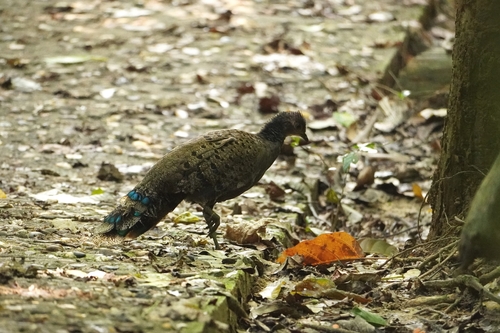 Malayan Peacock-Pheasant
In breve
Il segno di campo più affidabile tra il Bornean Peacock-Pheasant e il Malayan Peacock-Pheasant è il petto e il collo del maschio: i maschi Bornean mostrano lati altamente specializzati e metallici blu-verdi del petto e del collo superiore, che delimitano nettamente una gola bianca e un petto centrale, mentre i maschi Malayan hanno una gola bianca che si estende lungo il centro del petto, circondata da un piumaggio marrone chiaro e macchiato di nero più diffuso. Entrambe le specie hanno prominenti macchie oculari blu-verdi (ocelli) sulla coda, ma quelle del Malayan sono bordate di buff e si estendono sulle ali superiori e sulla schiena, mentre quelle del Bornean sono limitate alla coda. Le femmine sono molto più difficili da separare, con entrambe che sono di un marrone opaco e meno ornate, ma il Bornean tende ad essere leggermente più opaco e privo di speroni. Entrambe le specie sono uccelli segreti, che vivono a terra nella foresta pluviale delle pianure del sud-est asiatico, ma i loro areali non si sovrappongono: il Bornean è strettamente endemico al Borneo, il Malayan alla penisola malese. Sul campo, concentrati sul motivo del petto del maschio e sulla distribuzione delle macchie oculari per avere la migliore possibilità di un'identificazione sicura.
Consigli di identificazione
- Motivo del petto e del collo del maschio: I maschi Bornean hanno lati metallici blu-verdi del petto e del collo superiore, che delimitano nettamente una gola bianca e un petto centrale; i maschi Malayan hanno una gola bianca che si estende lungo il centro del petto, con meno contrasto rispetto al piumaggio circostante. Questo è il segno di campo più affidabile per i maschi adulti.
- Distribuzione delle macchie oculari blu-verdi (ocelli): I maschi Malayan hanno ocelli blu-verdi iridescenti con bordi buff sulle ali superiori, sulla schiena e sulla coda; i maschi Bornean hanno grandi ocelli blu-verdi solo sulla coda, senza bordo buff e nessuno sulla schiena o sulle ali. Questa differenza è visibile sia negli uccelli posati che in quelli in mostra.
- Tono generale del piumaggio: Il Malayan è di un marrone più chiaro con un effetto 'sale e pepe' da piccole macchie nere e bande; il Bornean è marrone ruggine con macchie nere, privo della fine striatura e dell'aspetto complessivamente più chiaro del Malayan.
- Forma della cresta: I maschi Malayan hanno una cresta scura blu-verde, morbida, appuntita e rivolta verso l'alto; i maschi Bornean hanno piume della cresta e della nuca allungate, ma la cresta è meno rivolta verso l'alto e più marrone ruggine.
- Colore della pelle facciale: Entrambi hanno pelle nuda attorno all'occhio, ma nel Malayan è solitamente rosa, diventando di un arancione-rosso brillante durante il corteggiamento; il Bornean ha pelle nuda rossa, ma il grado di cambiamento di colore in mostra non è descritto.
- Colore dell'iride: Entrambi i maschi hanno iridi bluastre o bluastre-bianche, ma le femmine Bornean hanno iridi marroni, mentre per le femmine Malayan non sono specificate differenze.
- Coda e cresta delle femmine: Le femmine Malayan hanno una coda notevolmente più corta e una cresta vestigiale; le femmine Bornean sono più opache, prive di speroni e hanno un motivo meno evidente, ma entrambe sono difficili da separare sul campo.
- Speroni: Le femmine di Bornean Peacock-Pheasant mancano di speroni; le femmine Malayan non sono specificate, ma questa potrebbe essere una differenza sottile se visibile.
- Mostra della coda: Durante il corteggiamento, i maschi Malayan mostrano ocelli sulla schiena e sulle ali oltre che sulla coda; i maschi Bornean mostrano solo ocelli sulla coda.
- Comportamento in volo: Entrambe le specie sono riluttanti a volare e sono raramente viste in volo; non è descritta alcuna silhouette di volo distintiva o motivo delle ali per nessuna delle due.
- Dimensioni e struttura: Il Malayan è leggermente più pesante e massiccio, con una coda più corta nelle femmine, ma queste differenze sono sottili e non affidabili sul campo.
- Areale: Qualsiasi pavone-fagiano visto in Borneo è Bornean; qualsiasi in Peninsular Malaysia è Malayan. Non c'è sovrapposizione naturale.
- Habitat: Entrambi preferiscono la foresta pluviale primaria di pianura, ma il Malayan può a volte essere trovato nella foresta secondaria, mentre il Bornean è strettamente specializzato nella foresta primaria.
- Comportamento: Entrambi sono timidi e vivono a terra, correndo rapidamente verso un riparo; il Bornean è particolarmente elusivo e solitario, mentre il Malayan può essere visto in coppie durante la stagione degli amori.
- Vocalizzazione: Entrambe le specie chiamano durante la riproduzione, ma le chiamate non sono descritte in dettaglio e non dovrebbero essere utilizzate per la separazione.
Taglia
Entrambe le specie sono pavoni-fagiani di dimensioni medie, con i maschi che raggiungono circa 50 cm di lunghezza, circa metà della quale è coda. I maschi di Malayan Peacock-Pheasant sono leggermente più pesanti (565–700 g) [wikidata], mentre la massa del Bornean non è ben documentata ma si presume simile. Le femmine di entrambe sono più piccole e con coda più corta, con le femmine Malayan che misurano circa 40 cm e pesano 450–550 g. In generale, la dimensione non è un separatore affidabile sul campo, ma il Malayan può apparire leggermente più massiccio e con coda più corta, specialmente nelle femmine.
Piumaggio
-
Piumaggio giovanile/immaturo: Non sono descritti segni distintivi specifici per l'età sulle ali superiori o sui segni di volo per nessuna delle due specie, quindi la separazione si basa su caratteristiche di tipo adulto anche negli uccelli giovani.
-
Maschi adulti: I maschi Bornean hanno un contrasto sorprendente tra i lati metallici blu-verdi del petto e una gola bianca e un petto centrale ben definiti, con piume della cresta e della nuca allungate. La loro coda (22 piume) è adornata con grandi ocelli blu-verdi, ma questi non sono bordati di buff e sono limitati alla coda. I maschi Malayan sono complessivamente di un marrone più chiaro, con piccole macchie nere e bande che creano un effetto 'sale e pepe', e i loro ocelli blu-verdi iridescenti sono bordati di buff e presenti non solo sulla coda ma anche sulle ali superiori e sulla schiena. La cresta del Malayan è morbida, appuntita e rivolta verso l'alto, di colore blu-verde scuro.
-
Femmine adulte: Entrambe sono di un marrone più opaco, con le femmine Malayan che mostrano una cresta vestigiale e ocelli solo sulle remiganti e sulle rectrici (piume della coda e di volo), mentre le copritrici delle ali e la schiena hanno macchie scure. Le femmine Bornean sono ancora più opache, prive di speroni e hanno un motivo complessivamente meno evidente. Entrambe hanno iridi marroni, ma solo le femmine Malayan sono descritte come aventi una coda notevolmente più corta.
-
In mostra: Entrambe le specie fan le loro code per mostrare gli ocelli, ma la mostra del Malayan include macchie oculari sulla schiena e sulle ali, mentre quella del Bornean è limitata alla coda.
Comportamento
Entrambe le specie sono estremamente timide, preferendo correre verso un riparo piuttosto che volare quando disturbate. Il Bornean Peacock-Pheasant è particolarmente elusivo e solitario, spesso rilevato solo dagli spazi di mostra puliti che i maschi mantengono per il corteggiamento. I maschi di Malayan Peacock-Pheasant puliscono anche i siti di mostra e eseguono mostre ritualizzate, inclusa la stridulazione (vibrazioni delle piume), e sono generalmente monogami, con i maschi che partecipano alla cura dei pulcini. In cattività, gli individui Bornean sono difficili da accoppiare al di fuori della stagione riproduttiva, mentre i Malayan sono più flessibili. Entrambi vivono a terra e sono raramente visti in volo.
Habitat
Il Bornean Peacock-Pheasant è strettamente endemico alle foreste di pianura del Borneo, mai trovato al di fuori dell'isola. Il Malayan Peacock-Pheasant abita la foresta pluviale di dipterocarpi di pianura della penisola malese, principalmente al di sotto dei 150 m di elevazione, e solo raramente fino a 300 m. Mentre il Malayan può utilizzare la foresta secondaria, preferisce la foresta primaria. Non c'è sovrapposizione di areale: qualsiasi uccello selvatico in Borneo è Bornean, e qualsiasi in Malesia Peninsulare è Malayan.
Voce
Entrambe le specie sono descritte come vocali durante la stagione riproduttiva, con i maschi che chiamano dai loro spazi di mostra, ma non sono fornite differenze dettagliate nella voce nelle fonti disponibili. Le vocalizzazioni non sono attualmente un separatore affidabile sul campo.
Bornean Peacock-Pheasant · Malayan Peacock-Pheasant · I miei uccelli difficili