

Pettazzurro vs Pigliamosche pettirosso
Luscinia svecica contro Ficedula parva
Fai un quiz con Pettazzurro e Pigliamosche pettirosso
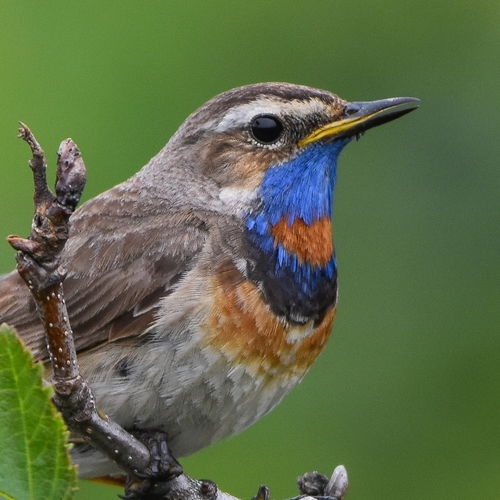 Pettazzurro
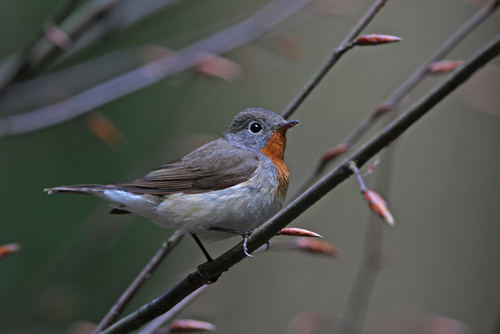 Pigliamosche pettirosso
In breve
Il segno distintivo più affidabile tra Pettazzurro e Pigliamosche pettirosso è la presenza di una vivace macchia blu sulla gola (spesso con un punto centrale rosso o bianco) nei Pettazzurri maschi adulti in primavera e all'inizio dell'estate, rispetto alla macchia arancione sulla gola dei maschi adulti di Pigliamosche pettirosso. Le femmine e gli immaturi di entrambe le specie possono essere confusamente semplici, ma il Pigliamosche pettirosso mostra sempre un anello oculare bianco distintivo e un modello di coda contrastante in bianco e nero, mentre il Pettazzurro manca di queste caratteristiche. Gli uccelli giovanili e di primo inverno di entrambe le specie sono opachi, ma il modello di coda e l'anello oculare del pigliamosche rimangono utili. Anche la struttura e il comportamento differiscono: il Pettazzurro è leggermente più grande e più robusto, spesso visto a terra o vicino al suolo in vegetazione densa e umida, mentre il Pigliamosche pettirosso è più delicato, con una postura più eretta e frequenti movimenti della coda in ambienti boschivi.
Consigli di identificazione
- Colore della gola (maschi adulti, primavera/estate): Il Pettazzurro mostra una gola blu brillante con un punto centrale rosso o bianco (a seconda della sottospecie), bordata sotto da una banda nera e rufous; il Pigliamosche pettirosso ha una chiara macchia arancione sulla gola, mai blu. Questo è il segno più affidabile nei maschi in riproduzione.
- Modello di coda (tutte le età, tutte le stagioni): Il Pigliamosche pettirosso ha sempre una coda nera con basi bianche per le piume esterne della coda, visibile come un modello in bianco e nero quando la coda è aperta o scossa. La coda del Pettazzurro è di un semplice marrone con una base rufous e una banda terminale scura, priva del netto contrasto in bianco e nero.
- Anello oculare bianco (tutte le età, tutte le stagioni): Il Pigliamosche pettirosso mostra sempre un anello oculare bianco evidente, anche nei giovanili e nelle femmine. Il Pettazzurro manca di un forte anello oculare.
- Struttura del becco: Il Pigliamosche pettirosso ha un becco fine, appuntito e nero con una base rosa pallido, tipico degli insettivori aerei. Il becco del Pettazzurro è leggermente più pesante e manca della vasta base rosa.
- Struttura generale: Il Pettazzurro è leggermente più grande e più robusto, con una coda più lunga e un corpo più pesante. Il Pigliamosche pettirosso è più delicato e ha una postura più eretta.
- Comportamento: Il Pettazzurro è spesso a terra o vicino al suolo, muovendosi attraverso vegetazione densa e umida; il Pigliamosche pettirosso si posiziona più in alto, scossa la coda verso l'alto e compie brevi voli per catturare insetti.
- Habitat: Il Pettazzurro preferisce aree umide, cespugliose o canneti; il Pigliamosche pettirosso si trova in boschi aperti, parchi e talvolta giardini, raramente in habitat densi e umidi.
- Confusione giovanile/primo inverno: Entrambe le specie possono essere di un semplice marrone sopra e pallido sotto, ma solo il pigliamosche mostra l'anello oculare bianco e il modello di coda in bianco e nero a tutte le età.
- Confusione femminile: La femmina di Pettazzurro è semplice con una gola crema e talvolta un crescente scuro; la femmina di Pigliamosche pettirosso è anch'essa semplice ma ha sempre l'anello oculare bianco e il modello di coda.
- Viste in volo: In volo, cerca la coda in bianco e nero del pigliamosche; il Pettazzurro manca di questo e mostra una coda più uniforme con una base rufous.
- Canto: Se canta, il Pigliamosche pettirosso emette un canto dolce e fischiante con un richiamo stridulo; il canto del Pettazzurro non è descritto qui, quindi usalo con cautela.
- Cambiamenti stagionali: La gola blu del Pettazzurro può essere oscurata dalle punte delle piume chiare dopo la muta estiva, rendendola meno evidente in autunno e inverno; la gola arancione del Pigliamosche pettirosso è presente solo nei maschi adulti durante la riproduzione.
- Variazione delle sottospecie: Le sottospecie di Pettazzurro differiscono nel colore e nella presenza del punto sulla gola (rosso, bianco o assente), ma tutti hanno gole blu nei maschi; il Pigliamosche pettirosso non mostra mai blu.
- Stile di foraggiamento: Il Pettazzurro salta e si muove in basso, spesso in copertura; il Pigliamosche pettirosso è più attivo, scossa la coda e compie brevi voli per catturare insetti.
- Contesto: Se visto in habitat densi, umidi e canneti, è più probabile che sia un Pettazzurro; in boschi aperti o parchi, specialmente con movimenti della coda e anello oculare bianco, sospetta un Pigliamosche pettirosso.
Taglia
Both species are small passerines, but Pettazzurro is slightly larger and bulkier than Pigliamosche pettirosso. The flycatcher is described as only slightly larger than a Eurasian Wren, with a noticeably daintier build and finer bill. Pettazzurro appears more robust overall, with a slightly longer tail and heavier structure. These differences are subtle in the field but may help when birds are seen side by side. [wikipedia]
Piumaggio
-
Juvenile/First-winter: Juvenile Bluethroats are freckled and spotted dark brown above and below for a few weeks after fledging, then moult into a first-winter plumage resembling adult females: plain, with a cream throat and breast and a dark crescent, lacking strong color. Juvenile and immature Red-breasted Flycatchers are similarly plain brown above and pale below, but always show a clear white eyering and a black-and-white tail pattern (white at the base of the outer tail feathers, rest black), which is visible both perched and in flight. These tail and eyering marks are present in all ages and sexes of Pigliamosche pettirosso, but never in Pettazzurro.
-
Adult males (breeding): Pettazzurro males in spring/summer have a bright blue throat, often with a central red or white spot, bordered below by a black and then a rufous or chestnut band. The blue is brightest just before and during the breeding season, and can be partly obscured by pale feather tips after the summer moult. Pigliamosche pettirosso males have a muted brown back, grey head, white underparts, and a clear orange throat patch, never blue.
-
Females/Non-breeding: Female Bluethroats and first-winter birds are plain with a cream throat and breast, sometimes with a faint dark crescent, and lack the blue or orange throat. Female and immature Red-breasted Flycatchers are similar in overall color but always have the white eyering and black-and-white tail pattern.
-
Flight/upperwing: No distinctive upperwing panels or patterns are described for either species; tail pattern is the main flight mark for Pigliamosche pettirosso.
Comportamento
Il Pettazzurro è tipicamente visto vicino al suolo, spesso muovendosi furtivamente in vegetazione densa e umida come paludi cespugliose o boschi di betulle umidi, e può essere visto saltellare a terra o scossa la coda. Il Pigliamosche pettirosso è più arboreo, spesso posandosi a media altezza in boschi aperti, scossa la coda verso l'alto mentre tiene le punte delle ali abbassate, e compie brevi voli per catturare insetti. Il pigliamosche ispeziona anche foglie e tronchi in modo simile a un warbler ed è più probabile che venga visto nella chioma degli alberi o su rami spogli. Il Pettazzurro è meno aereo e più terrestre nel suo stile di foraggiamento.
Habitat
Il Pettazzurro nidifica in ambienti umidi e cespugliosi come boschi di betulle, paludi cespugliose e canneti, spesso vicino all'acqua e in copertura densa. Il Pigliamosche pettirosso preferisce boschi aperti, specialmente con alberi maturi, ed è meno legato agli habitat umidi. Durante la migrazione, il Pigliamosche pettirosso può trovarsi in parchi e giardini, ma raramente si trova negli habitat densi e umidi preferiti dal Pettazzurro. L'habitat può essere un forte indizio, specialmente nella stagione di riproduzione.
Voce
Il Pigliamosche pettirosso ha un canto di fischi dolci, ripetitivi e che si propagano, spesso preceduto da note silenziose 'zit' o 'tsi-it' e seguito da una sequenza discendente; il suo richiamo è un breve 'zrrrt' stridulo. Il canto e i richiami del Pettazzurro non sono descritti nelle note fornite, quindi la vocalizzazione è solo diagnostica per il Pigliamosche pettirosso quando canta. In inverno, il pigliamosche è per lo più silenzioso ma può emettere un richiamo 'chip-chip-chr-rrr'. Usa la voce con cautela a meno che il pigliamosche non stia cantando.
Pettazzurro · Pigliamosche pettirosso · I miei uccelli difficili