
Ruiseñor Pechiazul vs Papamoscas Papirrojo
Luscinia svecica frente a Ficedula parva
Juega un quiz con Ruiseñor Pechiazul y Papamoscas Papirrojo
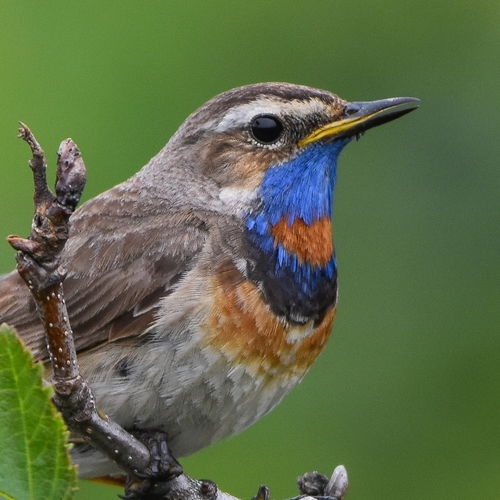 Ruiseñor Pechiazul
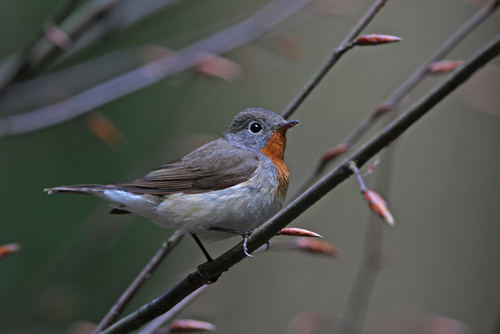 Papamoscas Papirrojo
En breve
La marca de campo más fiable entre el Ruiseñor Pechiazul y el Papamoscas Papirrojo es la presencia de una distintiva mancha azul en la garganta (a menudo con un punto rojo o blanco central) en los machos adultos de Ruiseñor Pechiazul en primavera y principios de verano, frente a la mancha naranja en la garganta de los machos adultos de Papamoscas Papirrojo. Las hembras y los inmaduros de ambas especies pueden ser confusamente simples, pero el Papamoscas Papirrojo siempre muestra un anillo ocular blanco distintivo y un patrón de cola en blanco y negro contrastante, mientras que el Ruiseñor Pechiazul carece de estas características. Los juveniles y los pájaros de primer invierno de ambas especies son apagados, pero el patrón de cola y el anillo ocular del papamoscas siguen siendo útiles. La estructura y el comportamiento también difieren: el Ruiseñor Pechiazul es ligeramente más grande y robusto, a menudo visto en o cerca del suelo en vegetación densa y húmeda, mientras que el Papamoscas Papirrojo es más delicado, con una postura más erguida y movimientos frecuentes de la cola en entornos boscosos.
Consejos de identificación
- Color de la garganta (machos adultos, primavera/verano): El Ruiseñor Pechiazul muestra una garganta azul brillante con un punto rojo o blanco central (dependiendo de la subespecie), bordeada por debajo por una banda negra y rufa; el Papamoscas Papirrojo tiene una clara mancha naranja en la garganta, nunca azul. Esta es la marca más fiable en machos en época de cría.
- Patrón de la cola (todas las edades, todas las estaciones): El Papamoscas Papirrojo siempre tiene una cola negra con bases blancas en las plumas de la cola exteriores, visible como un patrón en blanco y negro cuando la cola está extendida o movida. La cola del Ruiseñor Pechiazul es de un marrón simple con una base rufa y una banda terminal oscura, careciendo del contraste agudo en blanco y negro.
- Anillo ocular blanco (todas las edades, todas las estaciones): El Papamoscas Papirrojo siempre muestra un anillo ocular blanco notable, incluso en juveniles y hembras. El Ruiseñor Pechiazul carece de un anillo ocular fuerte.
- Estructura del pico: El Papamoscas Papirrojo tiene un pico negro fino y puntiagudo con una base de color rosa pálido, típico de los insectívoros aéreos. El pico del Ruiseñor Pechiazul es ligeramente más pesado y carece de la extensa base rosada.
- Estructura general: El Ruiseñor Pechiazul es ligeramente más grande y robusto, con una cola más larga y un cuerpo más pesado. El Papamoscas Papirrojo es más delicado y más erguido en postura.
- Comportamiento: El Ruiseñor Pechiazul suele estar en o cerca del suelo, moviéndose a través de vegetación densa y húmeda; el Papamoscas Papirrojo se posa más alto, mueve su cola hacia arriba y realiza vuelos cortos para atrapar insectos.
- Hábitat: El Ruiseñor Pechiazul prefiere áreas húmedas, arbustivas o de cañas; el Papamoscas Papirrojo se encuentra en bosques abiertos, parques y a veces jardines, raramente en hábitats densos y húmedos.
- Confusión juvenil/primer invierno: Ambas especies pueden ser de un marrón simple por encima y pálidas por debajo, pero solo el papamoscas muestra el anillo ocular blanco y el patrón de cola en blanco y negro en todas las edades.
- Confusión femenina: La hembra del Ruiseñor Pechiazul es simple con una garganta crema y a veces un creciente oscuro; la hembra del Papamoscas Papirrojo también es simple pero siempre tiene el anillo ocular blanco y el patrón de la cola.
- Vistas en vuelo: En vuelo, busca la cola en blanco y negro del papamoscas; el Ruiseñor Pechiazul carece de esto y muestra una cola más uniforme con una base rufa.
- Canto: Si canta, el Papamoscas Papirrojo emite una dulce canción silbada con un llamado ruidoso; el canto del Ruiseñor Pechiazul no se describe aquí, así que úsalo con precaución.
- Cambios estacionales: La garganta azul del Ruiseñor Pechiazul puede estar oscurecida por las puntas de plumas pálidas después de la muda de verano, haciéndola menos obvia en otoño e invierno; la garganta naranja del Papamoscas Papirrojo solo está presente en machos adultos durante la cría.
- Variación de subespecies: Las subespecies de Ruiseñor Pechiazul difieren en el color y la presencia de la mancha en la garganta (roja, blanca o ausente), pero todas tienen gargantas azules en machos; el Papamoscas Papirrojo nunca muestra azul.
- Estilo de forrajeo: El Ruiseñor Pechiazul salta y se oculta bajo, a menudo en cobertura; el Papamoscas Papirrojo es más activo, moviendo su cola y saltando para atrapar insectos.
- Contexto: Si se ve en un hábitat denso, húmedo y de cañas, es más probable que sea un Ruiseñor Pechiazul; en un bosque abierto o parques, especialmente con movimientos de cola y anillo ocular blanco, sospecha del Papamoscas Papirrojo.
Tamaño
Ambas especies son pequeños paseriformes, pero el Ruiseñor Pechiazul es ligeramente más grande y robusto que el Papamoscas Papirrojo. El papamoscas se describe como solo ligeramente más grande que un Wren Euroasiático, con una construcción notablemente más delicada y un pico más fino. El Ruiseñor Pechiazul parece más robusto en general, con una cola ligeramente más larga y una estructura más pesada. Estas diferencias son sutiles en el campo, pero pueden ayudar cuando los pájaros se ven uno al lado del otro. [wikipedia]
Plumaje
-
Juvenil/Primer invierno: Los juveniles de Ruiseñor Pechiazul son pecosos y manchados de marrón oscuro por encima y por debajo durante unas semanas después de volar, luego mudan a un plumaje de primer invierno que se asemeja a las hembras adultas: simple, con una garganta y pecho crema y un creciente oscuro, careciendo de color fuerte. Los juveniles e inmaduros de Papamoscas Papirrojo son igualmente de un marrón simple por encima y pálidos por debajo, pero siempre muestran un anillo ocular blanco claro y un patrón de cola en blanco y negro (blanco en la base de las plumas de la cola exteriores, el resto negro), que es visible tanto posados como en vuelo. Estas marcas de cola y anillo ocular están presentes en todas las edades y sexos de Papamoscas Papirrojo, pero nunca en Ruiseñor Pechiazul.
-
Machos adultos (cría): Los machos de Ruiseñor Pechiazul en primavera/verano tienen una garganta azul brillante, a menudo con un punto rojo o blanco central, bordeada por debajo por una banda negra y luego una banda rufa o castaña. El azul es más brillante justo antes y durante la temporada de cría, y puede estar parcialmente oscurecido por las puntas de plumas pálidas después de la muda de verano. Los machos de Papamoscas Papirrojo tienen un dorso marrón apagado, cabeza gris, partes inferiores blancas y una clara mancha naranja en la garganta, nunca azul.
-
Hembras/Sin cría: Las hembras de Ruiseñor Pechiazul y los pájaros de primer invierno son simples con una garganta y pecho crema, a veces con un leve creciente oscuro, y carecen de la garganta azul o naranja. Las hembras e inmaduros de Papamoscas Papirrojo son similares en color general pero siempre tienen el anillo ocular blanco y el patrón de cola en blanco y negro.
-
Vuelo/ala superior: No se describen paneles o patrones distintivos en el ala superior para ninguna de las especies; el patrón de la cola es la principal marca de vuelo para el Papamoscas Papirrojo.
Comportamiento
El Ruiseñor Pechiazul se ve típicamente bajo en el suelo, a menudo ocultándose en vegetación densa y húmeda como pantanos arbustivos o bosques de abedules húmedos, y puede ser visto saltando en el suelo o moviendo su cola. El Papamoscas Papirrojo es más arbóreo, a menudo posándose a una altura media en bosques abiertos, moviendo su cola hacia arriba mientras mantiene las puntas de sus alas hacia abajo, y realizando vuelos cortos para atrapar insectos. El papamoscas también inspecciona hojas y troncos de manera similar a un curruca y es más probable que se vea en el dosel o en ramas desnudas. El Ruiseñor Pechiazul es menos aéreo y más terrestre en su estilo de forrajeo.
Hábitat
El Ruiseñor Pechiazul cría en entornos húmedos y arbustivos como bosques de abedules, pantanos arbustivos y juncales, a menudo cerca del agua y en cobertura densa. El Papamoscas Papirrojo prefiere bosques abiertos, especialmente con árboles maduros, y está menos vinculado a hábitats húmedos. Durante la migración, el Papamoscas Papirrojo puede aparecer en parques y jardines, pero rara vez se encuentra en los hábitats densos y húmedos que prefiere el Ruiseñor Pechiazul. El hábitat puede ser una pista fuerte, especialmente en la temporada de cría.
Voz
El Papamoscas Papirrojo tiene una canción de silbidos dulces, repetitivos y que se oyen a distancia, a menudo precedida por notas suaves de 'zit' o 'tsi-it' y seguida por una secuencia descendente; su llamado es un corto y ruidoso 'zrrrt.' El canto y los llamados del Ruiseñor Pechiazul no se describen en las notas proporcionadas, así que la vocalización solo es diagnóstica para el Papamoscas Papirrojo cuando canta. En invierno, el papamoscas es mayormente silencioso pero puede emitir un llamado de 'chip-chip-chr-rrr'. Usa la voz con precaución a menos que el papamoscas esté cantando.
Ruiseñor Pechiazul · Papamoscas Papirrojo · Mis aves difíciles