

Blue-vented Hummingbird vs Blue-tailed Hummingbird
Saucerottia hoffmanni contro Saucerottia cyanura
Fai un quiz con Blue-vented Hummingbird e Blue-tailed Hummingbird
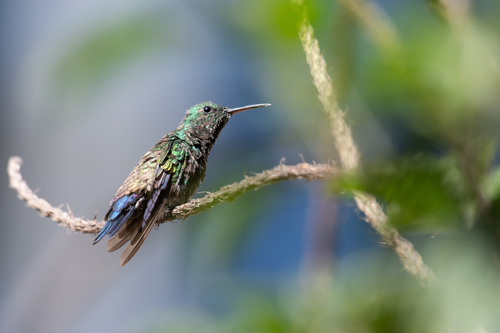 Blue-vented Hummingbird
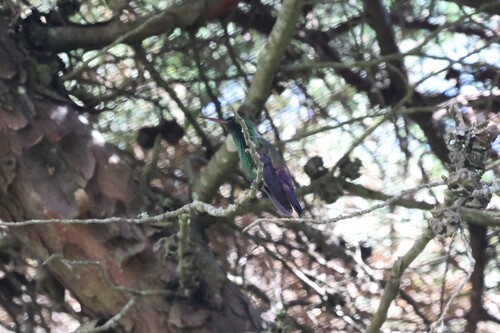 Blue-tailed Hummingbird
In breve
Il segno di campo più affidabile per separare il Colibrì Ventral Blu dal Colibrì Coda Blu è il colore e il motivo della coda e delle copritrici della coda, specialmente nei maschi adulti: il Ventral Blu mostra una coda blu acciaio pallido, leggermente forked e copritrici della coda verde-azzurre, mentre il Coda Blu ha una coda blu-violetto metallico scuro e copritrici della coda blu acciaio opaco. I giovani e le femmine sono più difficili da distinguere, ma il Ventral Blu tende ad avere un ventre verde più opaco e un'area ventrale più grigia o buffa, mentre il Coda Blu mostra spesso un mix di bianco o buffo sul ventre e sulla coda. Anche il colore del becco aiuta: il Ventral Blu ha un mandibola rosso corallo con una punta scura, mentre il Coda Blu ha un becco per lo più nero con solo una base rossastra per la mandibola. Entrambe le specie si sovrappongono in Costa Rica e Nicaragua, quindi prestare attenzione a questi dettagli è essenziale.
Consigli di identificazione
- Colore e forma della coda (adulti): Il Ventral Blu ha una coda blu acciaio pallido, leggermente forked; la coda del Coda Blu è blu-violetto metallico scuro e meno ovviamente forked. Questo è più affidabile nei maschi adulti ma può aiutare anche con le femmine se viste bene.
- Copritrici della coda: Il Ventral Blu mostra copritrici della coda verde-azzurre (maschi) o piume ventrali grigio-buff (femmine); il Coda Blu ha copritrici della coda blu acciaio opaco o blu-nerastre, a volte con bordi ferruginosi in alcune sottospecie. Le femmine e gli immaturi del Coda Blu hanno spesso copritrici della coda grigie.
- Ventre e area ventrale (femmine/immaturi): Le femmine del Ventral Blu hanno un petto e un ventre verde più opaco, con un ventrale grigio-buff; i giovani sono di un verde opaco sotto con un ventre grigio-marrone. Le femmine del Coda Blu e i giovani mostrano più bianco o buffo sul ventre e sulla coda, con piume delle parti inferiori spesso con bordi bianchi.
- Motivo della gola (femmine): Le femmine del Ventral Blu hanno piume della gola con barre bianche vicino alla fine; le femmine del Coda Blu mancano di questa caratteristica e hanno invece gole verdi più uniformi con alcuni bordi di piume pallidi.
- Colore del becco: Il Ventral Blu ha un mandibola rosso corallo con una punta scura e una mascella nerastra; il becco del Coda Blu è per lo più nero con solo una base rossastra per la mandibola. Questo è sottile ma può essere diagnostico a distanza ravvicinata.
- Rene e copritrici superiori della coda: Il Ventral Blu ha un rene rameo a purpureo e copritrici superiori della coda; il rene del Coda Blu è di un bronzo purpureo opaco e le copritrici superiori della coda sono blu metallico scuro. Nel Coda Blu, il rene è meno purpureo nelle femmine.
- Macchia alare (adulti): Il Coda Blu mostra una macchia castagna sulla ala chiusa (primarie/secondarie), specialmente nella sottospecie impatiens; il Ventral Blu manca di questa caratteristica. Cerca un lampo rufoso o cannella quando l'ala è piegata.
- Colore delle parti superiori: Entrambe le specie sono verdi metalliche sopra, ma i maschi del Ventral Blu sono più verde dorato, mentre i maschi del Coda Blu sono di un verde metallico profondo. Questa differenza è sottile e inaffidabile in scarsa luce.
- Punte della coda (femmine): Le femmine del Ventral Blu hanno punte purpuree sulle piume esterne della coda; le femmine del Coda Blu non mostrano questa caratteristica.
- Schiena/rène giovanile: I giovani del Ventral Blu hanno bordi marroni sulle piume della schiena e del rene, facendoli apparire più opachi; i giovani del Coda Blu non sono descritti in dettaglio ma probabilmente mancano di questo contrasto.
- Canto: Se sentito bene, le frasi ripetute buzzose e squeaky del Ventral Blu differiscono dal breve twitter del Coda Blu, ma entrambi possono essere acuti e facilmente trascurati.
- Altezza di alimentazione: Il Ventral Blu tende a foraggiare solo fino alla cima di piccoli alberi, mentre il Coda Blu utilizza tutti i livelli. Questo è un separatore debole e meglio utilizzato come contesto di supporto.
- Distribuzione: Se al di fuori della Costa Rica o del Nicaragua, il Coda Blu è molto più diffuso (dal Messico a sud), mentre il Ventral Blu è ristretto alla Costa Rica e al Nicaragua. Nelle zone di sovrapposizione, non fare affidamento solo sulla distribuzione.
- Variazione delle sottospecie (Coda Blu): Nella Costa Rica nord-occidentale/centrale, il Coda Blu (impatiens) è più grande, di un verde più scuro, e ha una macchia alare rufosa più grande, il che può aiutare nel confronto diretto con il Ventral Blu.
- Habitat: Entrambe le specie si trovano in aree semiaperte, ma il Coda Blu è più probabile che si trovi in foreste umide di quercia/pino e piantagioni di caffè, mentre il Ventral Blu preferisce habitat più secchi tranne che nella stagione secca.
Taglia
Entrambe le specie sono molto simili in dimensioni, ma il Colibrì Ventral Blu misura in media 8–11 cm di lunghezza e circa 4,45 g di peso, mentre il Colibrì Coda Blu è di 9–10 cm e circa 3,9–4,5 g. In pratica, la dimensione non è un segno di campo affidabile poiché le loro aree di distribuzione si sovrappongono e le loro misurazioni sono quasi identiche. Qualsiasi apparente differenza sul campo è probabilmente dovuta alla postura o all'angolo di visualizzazione piuttosto che alla vera dimensione.
Piumaggio
- Giovani/immaturi: I giovani del Ventral Blu sono più scuri nel complesso, con un verde più opaco sotto e un ventre grigio-marrone; la loro gola è grigia scura e le piume della schiena/rène hanno bordi marroni. I giovani del Coda Blu non sono descritti in dettaglio, ma le femmine (che sono simili agli uccelli giovani) hanno parti inferiori con margini bianchi stretti e un po' di bianco buffo sul ventre, e le copritrici della coda sono grigie.
- Maschi adulti: Il Ventral Blu mostra parti superiori verde dorato, rene rameo a purpureo, e parti inferiori dorato-verdi scure e brillanti con copritrici della coda verde-azzurre a blu acciaio. La coda è blu acciaio pallido e leggermente forked. I maschi del Coda Blu hanno una corona e una schiena di un verde metallico profondo, rene bronzo purpureo opaco, copritrici superiori della coda blu metallico scuro, e una coda blu-violetto metallico scuro. Le parti inferiori sono di un verde metallico brillante con copritrici della coda blu acciaio opaco. Le primarie e le secondarie sono castagne, formando una macchia sull'ala chiusa (non presente nel Ventral Blu).
- Femmine adulte: Le femmine del Ventral Blu sono di un verde più opaco sotto, con barre bianche vicino alla fine delle piume della gola, bordi grigio-buff sulle piume dell'area ventrale, e punte purpuree sulle piume esterne della coda. Le femmine del Coda Blu sono anche più opache dei maschi, con un rene meno purpureo, piume delle parti inferiori con margini bianchi stretti, un po' di bianco buffo sul ventre, e copritrici della coda grigie. La variazione delle sottospecie nel Coda Blu può scurire l'aspetto complessivo e aumentare la macchia alare rufosa/cannella.
Comportamento
Entrambe le specie foraggiano nettare e insetti, ma il Ventral Blu tende a nutrirsi fino alla cima di piccoli alberi e spesso difende i territori di alimentazione. Il Coda Blu foraggia a tutti i livelli ed è noto per frequentare gli alberi di Inga. Le differenze comportamentali sono sottili e non affidabili per la separazione sul campo.
Habitat
Entrambe le specie abitano paesaggi semi-aperti, inclusi terreni incolti, bordi forestali, foreste secondarie e giardini. Il Ventral Blu si trova dal sud del Nicaragua al centro della Costa Rica, preferendo habitat più secchi tranne che nella stagione secca quando si sposta verso aree più umide, e si estende da livello del mare fino a 1.800 m. Il Coda Blu ha un'area di distribuzione più ampia (dal Messico alla Costa Rica) e occupa sia foreste umide che secche di quercia/pino, piantagioni di caffè in ombra, e altitudini simili. Nelle aree di sovrapposizione (Costa Rica, Nicaragua), l'habitat non è un forte separatore, ma il Coda Blu può essere trovato in una varietà più ampia di tipi di foresta.
Voce
Il canto del Ventral Blu è una frase ripetuta buzzosa e squeaky ("tzi-tzee-tzup"), a volte seguita da note più basse, e i richiami sono alti, acuti "tsit" o asciutti "chit". Il canto del Coda Blu è un breve twitter, con richiami descritti come un "bzzzrt" duro e rasposo. Anche se le vocalizzazioni differiscono, entrambe sono acute e possono essere difficili da separare sul campo a meno che il canto non sia chiaramente udito.
Blue-vented Hummingbird · Blue-tailed Hummingbird · I miei uccelli difficili