

Blackpoll Warbler vs Black-throated Blue Warbler
Setophaga striata contro Setophaga caerulescens
Fai un quiz con Blackpoll Warbler e Black-throated Blue Warbler
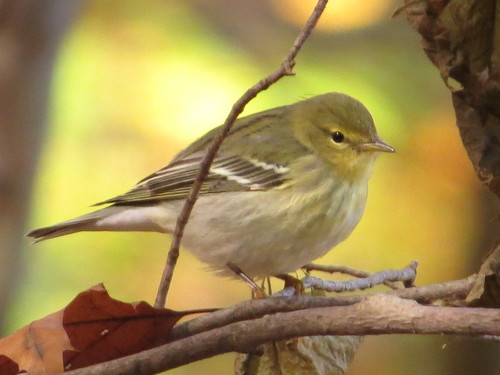 Blackpoll Warbler
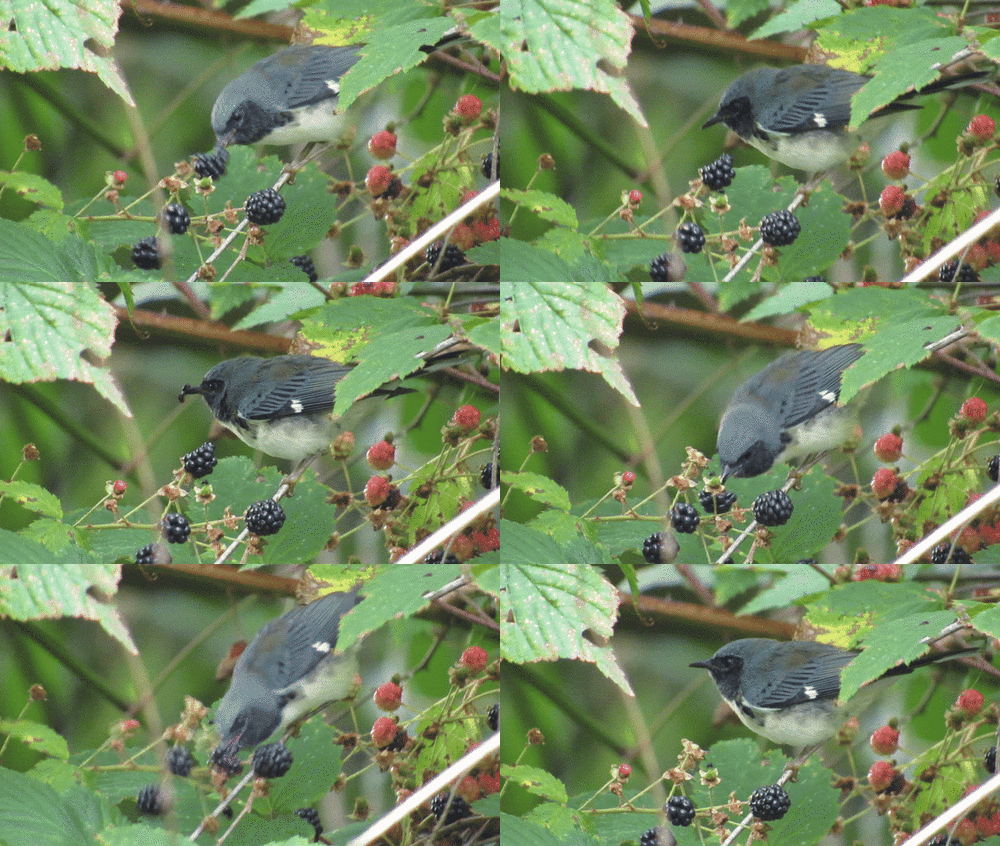 Black-throated Blue Warbler
In breve
Il modo più affidabile per separare il Blackpoll Warbler e il Black-throated Blue Warbler è concentrarsi sul modello della testa e delle ali: i Blackpoll (soprattutto i maschi in riproduzione) mostrano un cappello nero audace e guance bianche con due barre bianche sulle ali, mentre i maschi del Black-throated Blue hanno un volto e una gola neri solidi con parti superiori blu scuro e una piccola macchia bianca sulle ali, spesso nascosta. Le femmine e gli immaturi di entrambe le specie sono molto più opachi, ma i Blackpoll mantengono barre sulle ali evidenti e gambe di colore arancione-rosa, mentre le femmine del Black-throated Blue hanno una singola piccola macchia bianca sulle ali e mancano di un colore vivace delle gambe. In volo o posati, controlla la presenza e la forma delle marcature sulle ali e il contrasto generale della testa e delle parti inferiori. Entrambe le specie possono essere confuse in autunno, specialmente quando i Blackpoll diventano verdognoli e i Black-throated Blue perdono i loro colori vivaci di riproduzione, ma un'attenzione accurata al modello delle ali e al colore delle gambe risolverà solitamente l'identificazione.
Consigli di identificazione
- Modello delle Ali (Tutte le Età): Il Blackpoll Warbler mostra sempre due barre bianche sulle ali, mentre il Black-throated Blue Warbler ha una singola piccola macchia bianca sulle ali (non una barra), spesso nascosta. Questo è il segno più affidabile per immaturi e femmine.
- Modello della Testa (Maschi in Riproduzione): I maschi del Blackpoll hanno un cappello nero audace e guance bianche; i maschi del Black-throated Blue hanno un volto e una gola neri solidi con parti superiori blu e parti inferiori bianche.
- Colore delle Gambe: Il Blackpoll Warbler ha gambe di colore arancione-rosa brillante in tutte le livree, una caratteristica unica tra i warbler orientali. Il Black-throated Blue ha gambe scure.
- Colore della Schiena (Maschi in Riproduzione): I Blackpoll hanno schiene marroni striate scure; i Black-throated Blue sono blu scuro sopra.
- Striature delle Parti Inferiori: I Blackpoll (soprattutto i maschi) hanno striature nere su parti inferiori bianche; i Black-throated Blue hanno parti inferiori bianche pulite (maschi) o giallastre pallide (femmine) senza striature.
- Confusione Femmina/Immatura: Le femmine dei Blackpoll sono grigie con due barre sulle ali e striature deboli, mentre le femmine dei Black-throated Blue sono marrone-oliva con una singola macchia bianca sulle ali e senza striature sotto.
- Livrea Autunnale: I Blackpoll diventano verdognoli sopra e giallastri sotto ma mantengono barre sulle ali e gambe rosa; i Black-throated Blue diventano più opachi ma conservano la singola macchia bianca sulle ali.
- Segni Giovanili: I giovani Black-throated Blue hanno un sopracciglio cremoso e macchie marroni sulla gola e sull'addome; i giovani Blackpoll sono più uniformemente verdognoli con barre sulle ali e parti inferiori giallastre.
- Forma del Becco: Entrambi hanno becchi sottili e appuntiti tipici dei warbler; non è un forte separatore.
- Dimensioni: I Blackpoll sono leggermente più grandi e robusti, ma questo è raramente evidente nel campo.
- Volo: I Blackpoll possono apparire più lunghi nelle ali e più robusti, specialmente durante la migrazione.
- Habitat: Durante la migrazione, entrambi possono sovrapporsi, ma i Black-throated Blue preferiscono un sottobosco denso in foreste mature; i Blackpoll sono più spesso in boschi aperti e ai margini.
- Voce: Se cantano, il Black-throated Blue emette una canzone ronzante e ascendente; la canzone del Blackpoll è alta, sottile e difficile da sentire.
- Trappole: In autunno, entrambe le specie possono apparire verdognole e opache; concentrati sul modello delle ali (barre vs. macchia) e sul colore delle gambe.
- Dimorfismo Sessuale: Il Black-throated Blue è fortemente dimorfico sessualmente (maschi blu/neri, femmine marrone-oliva); i Blackpoll lo sono meno, con le femmine che sono una versione più opaca del maschio.
Taglia
Il Blackpoll Warbler è leggermente più grande e pesante del Black-throated Blue Warbler, con una massa media di circa 12,3 g rispetto ai 8,4–12,4 g del Black-throated Blue. I Blackpoll misurano 12,5–15 cm di lunghezza con un'apertura alare di 20–25 cm, mentre i Black-throated Blue sono lunghi circa 13 cm con un'apertura alare di 19–20 cm. Sul campo, questa differenza di dimensioni è sottile e raramente diagnostica, ma i Blackpoll possono apparire un po' più lunghi e robusti, specialmente durante la migrazione quando si ingrassano.
Piumaggio
I Blackpoll giovanili e immaturi hanno teste verdognole, parti superiori verdognole striate e parti inferiori giallastre, ma mostrano sempre due barre bianche sulle ali e gambe di colore arancione-rosa. Le loro barre sulle ali sono prominenti in tutte le età e stagioni. Al contrario, i Black-throated Blue giovanili hanno parti superiori marroni, un supercilium cremoso e macchie marroni sulla gola e sull'addome, con una singola piccola macchia bianca sulle ali (a volte difficile da vedere). I maschi adulti del Blackpoll in livrea di riproduzione sono audacemente patternati con un cappello nero, guance bianche e parti inferiori striate, mentre i maschi adulti del Black-throated Blue sono blu scuro sopra, con un volto e una gola neri solidi e parti inferiori bianche. Le femmine di entrambi sono molto più opache: le femmine dei Blackpoll sono grigie con striature deboli e due barre bianche sulle ali, mentre le femmine dei Black-throated Blue sono marrone-oliva sopra, pallide sotto e hanno una piccola macchia bianca sulle ali ma nessuna barra. In autunno, i Blackpoll diventano verdognoli sopra e giallastri sotto, ma mostrano ancora barre sulle ali; i Black-throated Blue diventano più opachi ma mantengono la singola macchia bianca sulle ali.
Comportamento
Entrambe le specie sono cercatori attivi nella chioma e nel sottobosco, ma i Blackpoll Warblers sono famosi per i loro lunghi voli migratori e possono apparire più irrequieti o ingrossati durante la migrazione. I Black-throated Blue Warblers spesso cercano cibo un po' più in basso in cespugli densi e sono più propensi a essere visti in foreste mature di latifoglie con un sottobosco spesso. In volo, entrambi sono rapidi e agili, ma i Blackpoll possono sembrare leggermente più lunghi nelle ali.
Habitat
I Blackpoll Warblers nidificano nelle foreste conifere settentrionali e migrano attraverso una vasta gamma di habitat, ma sono più spesso visti in migrazione nel nord-est degli Stati Uniti. I Black-throated Blue Warblers nidificano nell'interno delle foreste decidue e miste dell'America del Nord orientale, specialmente dove c'è uno strato di cespugli denso. Durante la migrazione, entrambi possono verificarsi in habitat sovrapposti, ma i Black-throated Blue sono più legati agli interni forestali e alla fitta vegetazione, mentre i Blackpoll sono più propensi a trovarsi in boschi aperti e habitat ai margini durante la migrazione.
Voce
Il Black-throated Blue Warbler ha una canzone ronzante distintiva ('zee-zee-zeeee') con un'inflessione ascendente e un richiamo piatto 'ctuk'. La canzone del Blackpoll Warbler è una serie di note 'tsit' molto acute e sottili, spesso difficile da sentire per alcuni ascoltatori. Durante la migrazione, entrambi sono generalmente silenziosi, ma se sentiti, la differenza nella qualità della canzone è chiara: il Black-throated Blue è ronzante e musicale, il Blackpoll è sottile e simile a un insetto.
Blackpoll Warbler · Black-throated Blue Warbler · I miei uccelli difficili