

Nibbio bianco vs Capovaccaio
Elanus caeruleus contro Neophron percnopterus
Fai un quiz con Nibbio bianco e Capovaccaio
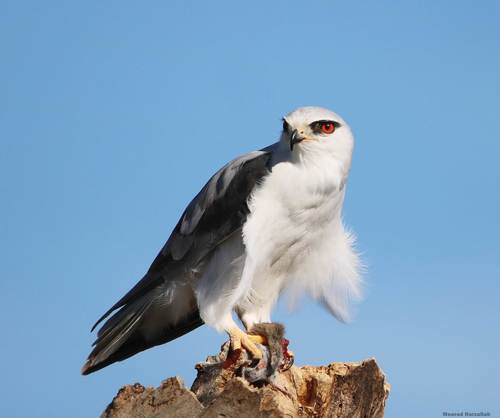 Nibbio bianco
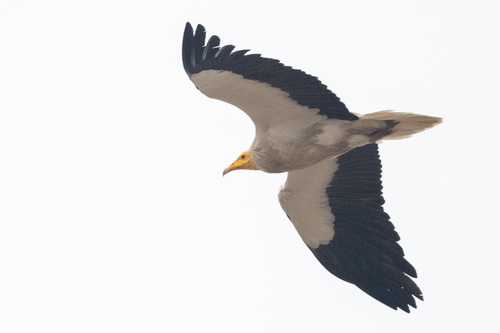 Capovaccaio
In breve
Il segno di campo più affidabile per separare il Nibbio bianco dal Capovaccaio è la struttura generale e il profilo di volo: il Nibbio bianco è un rapace compatto e di piccole dimensioni con ali lunghe e appuntite e una coda corta, mentre il Capovaccaio è molto più grande, con una coda a forma di cuneo e un distintivo motivo bianco e nero sotto le ali. Le piume giovanili differiscono nettamente: i giovani nibbii sono marrone rossiccio sopra e sul petto, mentre i giovani Capovaccai sono di un marrone scuro con macchie bianche. In volo, la lunga coda a forma di cuneo del vulture e il corpo chiaro con piume nere in volo si distinguono rispetto al piumaggio più uniforme grigio e bianco del nibbio e alle macchie nere sulle ali. La forma del becco e il colore del viso sono anche elementi chiave: il nibbio ha un becco piccolo e ricurvo e occhi rossi, mentre il vulture ha un becco lungo e snodato e pelle facciale gialla nuda.
Consigli di identificazione
- Dimensione e massa: Il Capovaccaio è molto più grande e pesante del Nibbio bianco; questo è solitamente ovvio anche a distanza. Se entrambi sono visti insieme, il nibbio appare piccolo e snodato, mentre il vulture è robusto e con ali lunghe.
- Forma della coda: In volo, il Capovaccaio mostra una coda a forma di cuneo distintiva, mentre il Nibbio bianco ha una coda corta e quadrata. Questo è un segno affidabile per tutte le età.
- Forma delle ali e stile di volo: Il Nibbio bianco ha ali lunghe e appuntite e spesso si libra, simile a un gheppio, sopra i campi. Il Capovaccaio vola su ali larghe e appuntite ma non si libra; circola sulle termiche con un volo costante e galleggiante.
- Piumaggio giovanile: I giovani nibbii sono marrone rossiccio sopra e sul petto, con bianco e grigio altrove; i giovani Capovaccai sono marrone scuro con macchie bianche e mancano di toni arrugginiti. Usa questo segno per gli uccelli non ancora in piumaggio adulto completo.
- Motivo sotto le ali degli adulti: Gli adulti del Capovaccaio hanno un sorprendente motivo sotto le ali bianco e nero, con piume nere in volo che contrastano nettamente con le copritrici bianche e il corpo. Gli adulti del Nibbio bianco sono per lo più bianchi sotto con nero alle punte delle ali e sulle spalle, ma mancano del motivo audace del vulture.
- Caratteristiche facciali: Il Nibbio bianco ha occhi rossi e un piccolo becco ricurvo, con il viso piumato. Il Capovaccaio ha pelle facciale gialla nuda che si estende fino al collo, e un becco lungo, snodato e ricurvo. Questo è visibile da vicino o con buone ottiche.
- Forma del becco: Il becco del nibbio è corto e compatto, adatto per catturare piccole prede. Il becco del vulture è più lungo, più snodato e leggermente ricurvo, adattato per il saccheggio.
- Colore delle gambe: Gli adulti del Capovaccaio hanno gambe rosa; i giovani hanno gambe grigie. Le gambe del nibbio sono meno distintive ma non sono rosa.
- Postura in perching: Il Nibbio bianco si posiziona eretto e all'erta, spesso su rami o fili esposti. Il Capovaccaio si posiziona più curvo, con un corpo più pesante e un collo più lungo.
- Contesto dell'habitat: I nibbii sono più spesso visti sopra praterie aperte o campi agricoli, librandosi o posandosi. I vulture sono più probabili in regioni aride o semi-aride, scogliere, o vicino a carcasse e rifiuti.
- Piumaggio sporco: Gli adulti del Capovaccaio appaiono spesso sporchi o arrugginiti a causa delle macchie di terra, specialmente sulla testa e sul corpo. I nibbii sono sempre bianchi e grigi puliti (eccetto i giovani arrugginiti).
- Colore degli occhi: Il Nibbio bianco ha occhi rossi sorprendenti, visibili da vicino. Gli occhi del Capovaccaio sono meno evidenti, con la pelle facciale che è la caratteristica principale.
- Sesso e età: Entrambe le specie sono sessualmente monomorfiche nel piumaggio, ma le femmine del Capovaccaio sono leggermente più grandi e i maschi in riproduzione possono avere pelle facciale arancione più profonda. Questo è sottile e raramente utile sul campo.
- Contesto stagionale: Il Nibbio bianco non è migratorio ma nomade, rispondendo alle popolazioni di roditori; il Capovaccaio è migratorio in alcune regioni, quindi il tempismo può aiutare in alcune aree.
- Rischio di confusione: Il pitfall più comune è scambiare un nibbio in volo per un vulture a grande distanza, o un vulture chiaro per un nibbio quando visto da sotto. Controlla sempre la forma della coda, il motivo delle ali e la dimensione complessiva.
Taglia
Il Capovaccaio è drammaticamente più grande e pesante del Nibbio bianco. Con una massa media adulta di quasi 2 kg [wikidata], il vulture sovrasta il nibbio, che è un piccolo rapace (massa esatta non fornita, ma molto più leggera). Sul campo, la dimensione del vulture è ovvia sia in perching che in volo, con un corpo molto più robusto e un'apertura alare più lunga. Il nibbio è più vicino in dimensione a un gheppio o a un piccolo falco, mentre il vulture è comparabile ad altri grandi vulture del Vecchio Mondo, sebbene sia il più piccolo del suo gruppo.
Piumaggio
- Uccelli giovanili/immaturi:
- I giovani Nibbii bianchi hanno piume marrone rossiccio sulla parte superiore e sul petto, fornendo un caldo lavaggio arrugginito che è assente in tutte le età del Capovaccaio. Questo colore deriva da porfirine ed è pensato per aiutare con il camuffamento. Il resto del piumaggio è un mix di bianco, grigio e nero, con il nero limitato alle copritrici delle ali e alle primarie.
- I giovani Capovaccai sono complessivamente neri o marrone cioccolato, con macchie nere e bianche. Mancano del bianco pulito degli adulti e dei toni arrugginiti dei giovani nibbii. Il piumaggio adulto del vulture è raggiunto solo dopo circa cinque anni, quindi gli immaturi scuri sono comuni.
- Adulti:
- Gli adulti del Nibbio bianco sono sorprendentemente pallidi, con parti inferiori bianche, parti superiori grigie e audaci macchie nere sulle ali (soprattutto alla 'spalla' e sulle primarie). Gli occhi sono rossi e il becco è piccolo e ricurvo.
- Gli adulti del Capovaccaio sono bianchi nel complesso ma spesso appaiono sporchi o arrugginiti a causa delle macchie di terra. Le piume in volo sono nere, creando un forte contrasto con le copritrici bianche e il corpo, specialmente visibile da sotto. La coda è a forma di cuneo e la pelle facciale è nuda e gialla fino al collo. Il becco è lungo e snodato, con una punta ricurva, e le gambe sono rosa negli adulti.
- In volo:
- Il nibbio mostra ali lunghe e appuntite e una coda corta e quadrata, con un corpo per lo più bianco e macchie nere sulle ali.
- Il vulture vola su ali larghe e appuntite con una coda a forma di cuneo, e il sottoala mostra un audace motivo bianco e nero.
Comportamento
Il Nibbio bianco è meglio conosciuto per la sua abitudine di librarsi sopra praterie aperte, molto simile a un gheppio, ed è spesso visto mentre caccia roditori e grandi insetti. Si posiziona eretto su rami o fili esposti. Il Capovaccaio, al contrario, è un saccheggiatore in volo, tipicamente visto circolare in alto sulle termiche durante le parti più calde della giornata. Raramente si libra ed è più probabile essere visto a terra su carcasse o librarsi sopra il paese aperto. Il volo del vulture è più galleggiante e meno diretto rispetto a quello del nibbio, e si basa sul volo in quota piuttosto che sulla caccia attiva.
Habitat
Entrambe le specie possono essere trovate in paese aperto, ma il Nibbio bianco è più strettamente legato a praterie aperte, pianure e talvolta pendii erbosi, spesso vicino ad aree agricole o di bestiame. Il Capovaccaio è più diffuso, presente dall'Iberia e Nord Africa attraverso l'Asia Occidentale fino all'India, ed è spesso visto in regioni aride o semi-aride, scogliere e paesaggi aperti dove sono disponibili carcasse. È più probabile che il vulture venga visto intorno a insediamenti umani e siti di rifiuti, mentre il nibbio preferisce aree con abbondanti piccole prede e meno disturbo umano.