

Black Catbird vs Great-tailed Grackle
Melanoptila glabrirostris contro Quiscalus mexicanus
Fai un quiz con Black Catbird e Great-tailed Grackle
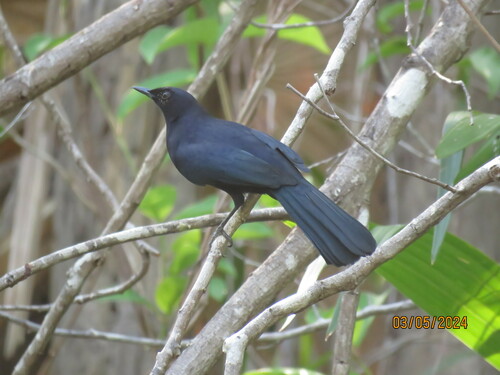 Black Catbird
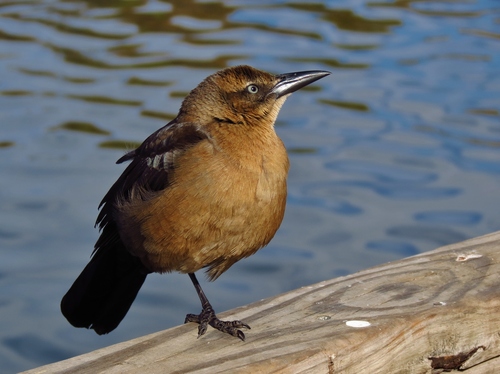 Great-tailed Grackle
In breve
Il segno di campo più affidabile per separare il Black Catbird dal Great-tailed Grackle è la dimensione e la struttura complessiva: il catbird è molto più piccolo e compatto, con un'ala corta e arrotondata e una coda di media lunghezza, mentre il grackle è grande, snello e con una coda lunga, specialmente nei maschi. I Black Catbirds adulti sono uniformemente neri lucidi con una lucentezza violacea o verdognola e occhi scuri, mentre i grackles maschi adulti sono neri iridescenti con una lucentezza blu-viola e occhi gialli sorprendenti; le grackles femmine sono marroni e mai completamente nere. I Black Catbirds juvenili sono grigio-marroni con macchie, mentre i grackles juvenili somigliano a femmine marroni. In volo, la lunga coda a forma di chiglia del grackle e la sua dimensione maggiore sono sorprendenti. Entrambe le specie possono essere trovate nella regione dello Yucatán, ma i grackles sono più probabili in habitat aperti, urbani o disturbati, mentre i catbirds preferiscono la vegetazione densa.
Consigli di identificazione
- Size is the first check: Se l'uccello è di dimensioni simili a un pettirosso o più piccolo, è un Black Catbird; se è delle dimensioni di un corvo o più grande di uno storno, è un Great-tailed Grackle. Questo è vero per tutte le età e i sessi.
- Tail shape and length: I maschi grackle hanno una coda molto lunga a forma di chiglia che è spesso piegata verticalmente (a forma di V) in volo o in mostra; la coda del catbird è di media lunghezza e non mostra mai questa forma. Anche le femmine grackle hanno code lunghe, anche se meno drammatiche.
- Bill structure: Il Black Catbird ha un becco corto, dritto e nero con una punta leggermente ricurva; il becco del grackle è più lungo, più robusto e uniformemente curvato, specialmente nei maschi.
- Eye color: Il Black Catbird adulto ha occhi rossi scuri (mai gialli brillanti); i grackles adulti hanno occhi gialli brillanti. I catbirds juvenili hanno occhi grigi, mentre i grackles juvenili hanno occhi marroni.
- Plumage gloss: Il catbird è nero lucido con una lucentezza violacea o verdognola, specialmente sulle copritrici e sulla coda; i maschi grackle sono iridescenti con una lucentezza blu-viola, specialmente sulla testa e sulle parti superiori. Le grackles femmine sono marroni, mai nere.
- Juvenile plumage: I catbirds juvenili sono grigio-marroni con macchie sotto; i grackles juvenili sono marroni come le femmine, con alcune striature ma senza fase completamente nera. Qualsiasi piccolo uccello marrone macchiato in una fitta vegetazione è probabilmente un catbird juvenile.
- Sexual dimorphism: Il catbird mostra poco o nessun dimorfismo sessuale; entrambi i sessi sono simili, con le femmine leggermente meno lucide. Il grackle è fortemente dimorfico: i maschi sono grandi, neri lucidi, le femmine sono più piccole e marroni.
- Flight profile: Il grackle in volo ha ali lunghe, è snello e mostra una lunga coda a forma di V; il catbird è compatto, con ali corte e arrotondate e una coda di media lunghezza.
- Behavior: Il catbird è riservato, si muove attraverso la vegetazione densa o canta da un posatoio nascosto. Il grackle è audace, spesso in gruppi, e cerca cibo in aree aperte o urbane.
- Habitat: Un fitto cespuglio o il bordo di una foresta indicano un catbird; un campo aperto, un parco urbano o un parcheggio indicano un grackle.
- Vocalizations: Il canto del catbird è un mix di note dure, gorgheggianti e simili a flauto con ronzii metallici, non imitando altre specie. Il grackle è molto più forte e vario, con fischi, rattling e squawks, spesso in gruppi sociali.
- Perched posture: Il catbird si posiziona eretto, spesso basso e parzialmente nascosto; il grackle sta in piedi alto, spesso in posti esposti, a volte con la coda aperta o piegata.
- Group size: Il catbird è solitamente solo o in coppie; il grackle è spesso in gruppi rumorosi.
- Context: Se vedi un uccello nero in un'area affollata e dominata dagli esseri umani, è quasi certamente un grackle. I catbirds evitano tali luoghi.
- Pitfalls: Non fare affidamento solo su 'uccello nero'—le femmine grackle sono marroni, e i catbirds non sono mai grandi o con code lunghe come qualsiasi grackle. La confusione giovanile è meglio risolta cercando macchie (catbird) contro marrone uniforme (grackle).
Taglia
Il Black Catbird è drammaticamente più piccolo: circa 35 g di massa e 19–20,5 cm di lunghezza, rendendolo il mimid più piccolo nella sua area. Il Great-tailed Grackle è molto più grande, con i maschi che pesano in media 168,7 g (fino a 265 g) e 38–46 cm di lunghezza, con un'apertura alare di 48–58 cm. Anche le femmine grackle, a 115–142 g, sono oltre tre volte più pesanti di un catbird. Sul campo, questa differenza di dimensioni è immediatamente evidente, specialmente quando visti fianco a fianco o con uccelli familiari per scala.
Piumaggio
- Juveniles: I Black Catbird juvenili sono grigio-marroni con macchie sotto e iridi grigie, mentre i grackles juvenili sono marroni come le femmine adulte, con occhi marroni e alcune striature sul petto. Non esiste un grackle juvenile completamente nero; qualsiasi piccolo uccello marrone macchiato è un catbird juvenile.
- Adult males: Il Black Catbird è nero lucido ovunque con una lucentezza violacea, una lucentezza verdognola sulle rectrices e copritrici, e un marrone nerastro più opaco sulle piume da volo. Il becco e le zampe sono neri, e l'occhio è rosso scuro. I maschi del Great-tailed Grackle sono neri iridescenti con una lucentezza blu-viola, specialmente sulla testa e sul corpo superiore, e hanno un occhio giallo brillante. La loro coda è lunga e a forma di chiglia, spesso tenuta a V.
- Adult females: Le femmine di Black Catbird sono simili ai maschi ma meno lucide e sempre completamente nere. Le femmine di grackle sono marroni con ali e coda più scure, mai nere nel complesso, e hanno occhi gialli da adulte.
- Flight: Il catbird ha ali corte e arrotondate e una coda di media lunghezza, mentre il grackle mostra ali lunghe e una coda a forma di chiglia drammaticamente lunga, specialmente nei maschi.
Comportamento
Il Black Catbird è tipicamente solitario o in coppie, spesso si nasconde nella vegetazione densa e canta da posatoi bassi e nascosti. Non è noto per l'imitazione e tende a essere discreto. Il Great-tailed Grackle è altamente sociale, spesso visto in gruppi rumorosi, evidente in aree aperte e frequentemente si posiziona in luoghi esposti. I grackles sono audaci, spesso cercando cibo in ambienti urbani, parcheggi o campi aperti, e il loro comportamento è molto più gregario e evidente rispetto a quello riservato del catbird.
Habitat
Il Black Catbird è limitato a cespugli densi, roveti e bordi di foreste nella penisola dello Yucatán e nelle isole vicine, preferendo vegetazione densa e aggrovigliata e posatoi più bassi. Il Great-tailed Grackle è comune in habitat aperti, comprese aree urbane, campi agricoli, parchi e zone umide, ed è molto più probabile trovarlo in paesaggi modificati dall'uomo. Se l'uccello si trova in una piazza cittadina affollata, in un parcheggio o in un campo aperto, è quasi certamente un grackle; i catbirds evitano tali habitat.
Voce
Il canto del Black Catbird è un mix di frasi ripetute, che vanno da dure e graffianti a gorgheggianti e simili a flauto, con ronzii metallici, ma non imita altre specie. Le sue chiamate possono essere dure o nasali, a volte ricordando il Gray Catbird. Il Great-tailed Grackle è estremamente vocale, con una vasta gamma di chiamate dure, stridule e varie, spesso descritte come fischi, rattling e squawks. Le vocalizzazioni del grackle sono più forti, più varie e spesso emesse in contesti sociali, mentre il catbird è più sommesso e meno vario.
Black Catbird · Great-tailed Grackle · I miei uccelli difficili