

Albatro sopracciglineri vs Pied Cormorant
Thalassarche melanophris contro Phalacrocorax varius
Fai un quiz con Albatro sopracciglineri e Pied Cormorant
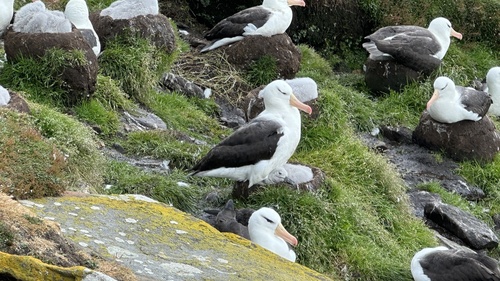 Albatro sopracciglineri
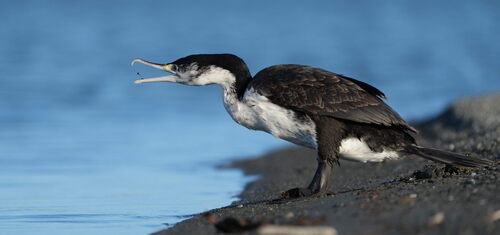 Pied Cormorant
In breve
Il segno distintivo più affidabile che separa l'Albatro sopracciglineri dal Pied Cormorant è il sorprendente schema delle ali inferiori: l'Albatro sopracciglineri (tutte le età) mostra un ampio margine nero irregolare su un'ala inferiore per lo più bianca, mentre il Pied Cormorant ha un'ala inferiore bianca semplice senza bordi neri audaci. In volo, l'albatro è molto più grande, con ali lunghe e strette e uno stile di volo planante e galleggiante, in contrasto con le ali più corte e più larghe del cormorano e un volo più faticoso e diretto. In posizione per lo più eretta, il becco arancione dell'albatro e il sopracciglio scuro spiccano, mentre il cormorano ha un becco ricurvo, occhi verdi e una macchia facciale gialla. Gli albatro giovani hanno ali inferiori e becchi più scuri, ma mostrano ancora il caratteristico schema delle ali. L'habitat aiuta anche: gli albatro sono oceanici, raramente visti vicino alla costa tranne che in colonie o come vagabondi rari, mentre i cormorani sono comuni lungo le coste e le acque interne.
Consigli di identificazione
- Schema delle ali inferiori in volo (tutte le età): L'Albatro sopracciglineri mostra un ampio margine nero irregolare su un'ala inferiore altrimenti bianca, visibile anche nei giovani. Il Pied Cormorant ha un'ala inferiore bianca semplice senza bordo nero audace: questo è il segno più affidabile in volo.
- Dimensioni e forma complessive: L'albatro è molto più grande, con ali estremamente lunghe e strette e un corpo lungo e affusolato. Il cormorano è più piccolo, con ali più corte e più larghe e un corpo più compatto.
- Stile di volo: L'albatro plana per lunghi periodi con un battito d'ali minimo, utilizzando le correnti d'aria; il cormorano batte le ali costantemente e raramente plana lontano, volando spesso basso sull'acqua.
- Forma e colore del becco: L'albatro adulto ha un lungo e robusto becco arancione con una punta più scura; i giovani hanno un becco di colore corno scuro. Il becco del cormorano è più corto, ricurvo all'estremità, e manca della colorazione arancione, mostrando invece una macchia facciale gialla alla base.
- Schema facciale: L'albatro ha un sopracciglio scuro distintivo (il 'sopracciglio nero') e una testa bianca. Il cormorano manca del sopracciglio, mostrando invece una macchia gialla tra il becco e l'occhio e occhi verdi con un anello blu.
- Ali superiori e dorso: L'albatro ha un sellino grigio scuro e ali superiori che contrastano con un posteriore bianco; il dorso e le ali superiori del cormorano sono neri, ma senza il forte contrasto con un posteriore bianco.
- Postura in posizione eretta: L'albatro sta in posizione eretta, spesso su terreno aperto o scogliere; il cormorano si posa su rocce, pali o alberi, spesso con le ali spiegate per asciugarsi.
- Zampe e piedi: Il cormorano ha grandi piedi neri palmati, spesso visibili quando è in posizione eretta o nuota. I piedi dell'albatro sono meno appariscenti sul campo.
- Contesto dell'habitat: L'albatro è oceanico, raramente visto vicino alla costa tranne che in colonie o come vagabondo raro. Il cormorano è comune lungo le coste, nei delta e nelle acque interne.
- Confusione giovanile: Gli albatro giovani hanno un becco e una testa più scuri, ma mostrano ancora il caratteristico schema delle ali inferiori. I cormorani giovani non acquisiscono alcuno schema delle ali inferiori simile a quello dell'albatro.
- Coda: La coda dell'albatro è corta e arrotondata, utilizzata nelle esibizioni di corteggiamento; la coda del cormorano è più lunga e a forma di cuneo, spesso aperta quando asciuga le ali.
- Voce: Utile solo nelle colonie: gli albatro sono rumorosi, i cormorani sono generalmente silenziosi.
- Colore degli occhi: Il cormorano ha occhi verdi con un anello blu; l'albatro ha occhi scuri (eccetto per l'Albatro di Campbell, che non è in questo confronto).
- Punta del becco: Il becco dell'albatro è appuntito con una punta più scura; il becco del cormorano è ricurvo all'estremità.
- Comportamento in acqua: Il cormorano si trova basso nell'acqua, spesso immergendosi; l'albatro raramente si trova sull'acqua vicino alla costa tranne che in colonie o quando riposa in mare.
Taglia
L'Albatro sopracciglineri è molto più grande e pesante del Pied Cormorant. L'albatro misura 80–95 cm di lunghezza con un'apertura alare di 200–240 cm e pesa 2.9–4.7 kg (notato in [wikipedia]), mentre il Pied Cormorant è lungo 65–85 cm, con un'apertura alare di 110–130 cm e una massa corporea di circa 2 kg ([wikidata]). Sul campo, le ali dell'albatro sono eccezionalmente lunghe e strette, conferendogli un aspetto molto più imponente e aggraziato sia in volo che a riposo.
Piumaggio
- Giovane/immaturo Albatro sopracciglineri: Mostra un ampio margine nero irregolare sull'ala inferiore bianca, un sopracciglio scuro e un becco di colore corno scuro con una punta scura. La testa e il collare sono grigi, e le ali superiori sono scure, in contrasto con il posteriore bianco e le parti inferiori. Questo audace schema delle ali inferiori è visibile in tutte le età e non è eguagliato dal Pied Cormorant in nessuna età.
- Albatro sopracciglineri adulto: Mantiene il sopracciglio nero, la testa bianca, il becco arancione con una punta più scura e il caratteristico schema delle ali inferiori. L'ala superiore rimane scura con un posteriore bianco.
- Pied Cormorant (tutte le età): Ha un dorso e ali superiori neri, parti inferiori bianche e un'ala inferiore bianca semplice senza margini neri audaci. Il viso mostra una macchia gialla tra il becco e l'occhio, occhi verdi con un anello blu e un becco ricurvo. Nessuna età o sesso mostra il bordo audace delle ali inferiori dell'albatro. Negli uccelli in posizione eretta, il contrasto bianco e nero del cormorano è netto ma manca del pattern facciale dell'albatro.
Comportamento
L'Albatro sopracciglineri è un planatore dinamico, spesso visto librarsi senza sforzo per lunghi periodi sopra l'oceano aperto, raramente battendo le ali tranne quando decolla o atterra. Il suo volo è galleggiante, con archi lunghi e rigidi. Quando è in posizione eretta, sta dritto e può usare la sua coda aperta nelle esibizioni di corteggiamento. Il Pied Cormorant, al contrario, ha un volo più diretto e mirato con frequenti battiti d'ali e meno planate. È spesso visto nuotare basso nell'acqua, immergendosi per pesci e posandosi con le ali spiegate per asciugarsi. Il comportamento del cormorano è più tipico degli uccelli costieri o d'acqua dolce, mentre l'albatro è quasi esclusivamente pelagico tranne che nei siti di nidificazione o come vagabondo raro.
Habitat
L'Albatro sopracciglineri è un vero uccello marino, trascorrendo la maggior parte della sua vita lontano dalla terra, venendo a terra solo per riprodursi su isole remote o, raramente, come vagabondo su scogliere costiere. Gli avvistamenti vicino alla terra sono eccezionali al di fuori delle colonie di nidificazione. Il Pied Cormorant è comune e diffuso lungo le coste australiane, nei delta e nelle acque interne, spesso visto posato su rocce, moli o alberi vicino all'acqua. Se visto nell'entroterra o in acqua dolce, è quasi certamente un cormorano. Il contesto della posizione è un forte indizio.
Voce
Le colonie di Albatro sopracciglineri sono rumorose, con richiami striduli e rauchi, specialmente durante le esibizioni territoriali o di corteggiamento. Il Pied Cormorant è generalmente silenzioso lontano dal nido e non produce richiami forti o distintivi sul campo. Pertanto, le vocalizzazioni sono raramente utili per la separazione tranne che nei siti di nidificazione.
Albatro sopracciglineri · Pied Cormorant · I miei uccelli difficili