

Bay Wren vs Gray-breasted Wood-Wren
Cantorchilus nigricapillus contro Henicorhina leucophrys
Fai un quiz con Bay Wren e Gray-breasted Wood-Wren
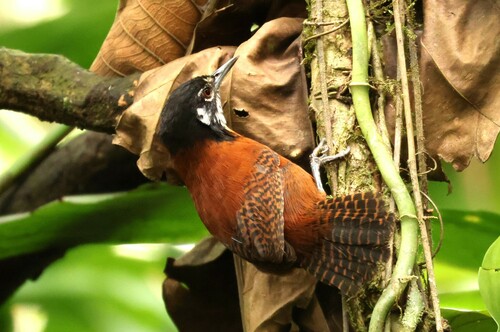 Bay Wren
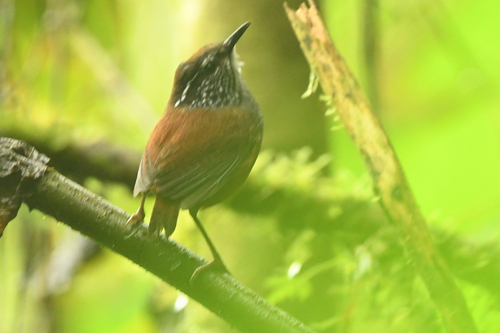 Gray-breasted Wood-Wren
In breve
Il segno di campo più affidabile per separare il Bay Wren dal Gray-breasted Wood-Wren è il pattern del volto audace e ad alto contrasto in bianco e nero del Bay Wren e la ricca parte superiore color castagno, rispetto ai toni più attenuati di grigio e oliva del Wood-Wren e ai segni facciali meno definiti. I giovani Bay Wrens sono più chiari ma mostrano ancora lo stesso pattern del volto, mentre i giovani Wood-Wrens non presentano contrasti così forti. Sul campo, il Bay Wren appare più grande e robusto, con una corporatura più pesante e un rufous più esteso sui fianchi e sull'addome. Entrambe le specie possono essere riservate in vegetazione densa, ma le loro differenze di struttura e piumaggio sono solitamente visibili con una buona osservazione.
Consigli di identificazione
- Pattern del volto (tutte le età): Il Bay Wren ha un volto nero audace con un supercilio bianco stretto, un anello oculare parziale e una macchia bianca sul retro della guancia. Il Gray-breasted Wood-Wren ha un lungo supercilio grigio-bianco, ma il volto è meno marcato, con guance nere striate di grigio chiaro e una larga striscia nera dietro l'occhio.
- Cresta e nuca: Il Bay Wren mostra una cresta e una nuca nere, in contrasto con la parte superiore color castagno ricco. La cresta del Wood-Wren è nera opaca con punte marroni scure, che si fondono in una nuca e spalle di un marrone oliva scuro.
- Colore della parte superiore: La schiena e la parte superiore del Bay Wren sono di un ricco castagno, mentre quelle del Wood-Wren sono di un marrone oliva scuro (nuca/spalle) e castagno solo sulla parte bassa della schiena, sul sopracciglio e sulla coda.
- Pattern della coda: Entrambi hanno code barrate, ma quella del Bay Wren è di un marrone più ricco con barre nere più audaci; la coda del Wood-Wren è marrone castagno con barre nerastre, meno contrastanti.
- Parte inferiore: Il Bay Wren ha una gola e un petto bianchi, che sfumano in un marrone rufous sull'addome e sui fianchi, con barre nere dal petto al vent. Le parti inferiori del Wood-Wren sono di un grigio chiaro sul mento/gola, grigio più scuro su petto/ventre, e un buff scuro sui fianchi inferiori, senza rufous o barrature estese.
- Piumaggio giovanile: I giovani Bay Wrens sono più chiari ma mantengono il pattern del volto e i toni castagni degli adulti; i giovani Wood-Wren non sono descritti ma sono improbabili a mostrare contrasti così audaci.
- Dimensioni e struttura: Il Bay Wren è più grande e pesante (23,9 g, 12,6–15,6 cm) con un aspetto più robusto. Il Wood-Wren è più piccolo e leggero (13,5–17,7 g, 10–11,5 cm), spesso apparendo più delicato.
- Comportamento: Il Bay Wren spesso cerca cibo in vegetazione densa e intricata vicino all'acqua, a volte in coppie o piccoli gruppi. Il Wood-Wren cerca cibo singolarmente o in piccoli gruppi, di solito in basso nella vegetazione, e può seguire le formiche soldato.
- Habitat: Il Bay Wren è strettamente legato all'acqua e a fitte boscaglie riparie; il Wood-Wren si trova in vegetazione densa ma non specificamente vicino all'acqua.
- Voce: Il canto del Bay Wren è forte, ricco e squillante; quello del Wood-Wren è generalmente più musicale e meno risonante (non dettagliato qui).
- Supercilio: Il supercilio del Bay Wren è stretto e bianco; quello del Wood-Wren è lungo, grigio-bianco e più diffuso.
- Macchia sulla guancia: Il Bay Wren mostra una macchia bianca distintiva sul retro della guancia, assente nel Wood-Wren.
- Colore dei fianchi: I fianchi del Bay Wren sono di un marrone rufous; quelli del Wood-Wren sono di un buff scuro.
- Barrature: Il Bay Wren ha barrature nere sulle parti inferiori dal petto al vent; il Wood-Wren manca di questa caratteristica.
- Trappola: In scarsa luce o visioni brevi, i toni castagni del Bay Wren e del sopracciglio/coda del Wood-Wren possono sembrare simili, ma il pattern del volto e il colore delle parti inferiori sono separatori affidabili.
Taglia
Il Bay Wren è nettamente più grande e pesante, con una massa corporea media di circa 23,9 g e una lunghezza di 12,6–15,6 cm. Al contrario, il Gray-breasted Wood-Wren è più piccolo e leggero, lungo 10–11,5 cm e 13,5–17,7 g. Questa differenza di dimensioni è spesso evidente in un confronto diretto o quando entrambe le specie sono viste nello stesso habitat. La corporatura più robusta e il corpo più lungo del Bay Wren possono essere apparenti anche in visioni brevi.
Piumaggio
- Giovani: I giovani Bay Wrens assomigliano agli adulti ma sono più chiari con segni meno definiti; tuttavia, mostrano ancora il pattern facciale in bianco e nero e le parti superiori castagne. I giovani Gray-breasted Wood-Wrens non sono descritti in dettaglio, ma la specie nel complesso manca del volto audace del Bay Wren e ha colori più attenuati e mescolati.
- Adulti: Il Bay Wren ha un volto nero sorprendente con un supercilio bianco stretto, un anello oculare parziale e una macchia bianca sul retro della guancia. La cresta e la nuca sono nere, le parti superiori di un ricco castagno e la coda è marrone con barre nere audaci. Le parti inferiori sono bianche sulla gola e sul petto, sfumando in un marrone rufous sull'addome e sui fianchi, con barrature nere dal petto al vent. Il Gray-breasted Wood-Wren ha una cresta nera opaca con punte marroni scure, nuca/spalle marrone oliva scuro e parte bassa della schiena, sopracciglio e coda marrone castagno (anche con barre nerastre). Il suo supercilio è lungo e grigio-bianco, le guance sono nere striate di grigio chiaro e le parti inferiori sono di un grigio chiaro a più scuro con fianchi di un buff scuro. Il volto del Wood-Wren è meno marcato e le sue parti inferiori mancano del rufous e delle barrature del Bay Wren.
- Coda: Entrambe le specie hanno code barrate, ma quella del Bay Wren è di un marrone più ricco e più audacemente marcata.
Comportamento
Entrambe le specie cercano cibo per invertebrati in vegetazione densa e bassa. Il Bay Wren tende a rimanere vicino all'acqua e si trova spesso in boscaglie intricate, radure incolte o vegetazione densa lungo le strade, a volte avventurandosi nel sottobosco della foresta se la copertura è spessa. Il Gray-breasted Wood-Wren cerca cibo singolarmente o in piccoli gruppi, di solito dal suolo fino a 2 metri di altezza, ed è noto per seguire le colonne di formiche soldato. Il Bay Wren può apparire più robusto e deliberato nei movimenti, mentre il Wood-Wren è più piccolo e può sembrare più attivo e agile.
Habitat
Il Bay Wren è strettamente legato a vegetazione densa e bassa vicino ai corsi d'acqua, radure incolte e sottobosco di foreste secondarie, ma può anche essere trovato in boscaglie più secche in Nicaragua. È generalmente assente da aree aperte a meno che non ci sia una copertura sufficiente. Il Gray-breasted Wood-Wren ha un'area di distribuzione più ampia (Messico a Bolivia) e si trova tipicamente in vegetazione densa, ma non è specificamente legato all'acqua. Entrambe le specie richiedono una copertura fitta, ma la preferenza del Bay Wren per habitat ripari o umidi è un utile indizio.
Voce
Il canto del Bay Wren è forte, rapido e ricco di tonalità, con fischi, trilli e gorgheggi sfumati e squillanti, spesso eseguiti in antiphona. Il canto del Gray-breasted Wood-Wren non è descritto qui, ma è generalmente meno squillante e più musicale o tintinnante nel tono. Entrambi hanno una varietà di richiami, ma la voce del Bay Wren è tipicamente più forte e più risonante.
Bay Wren · Gray-breasted Wood-Wren · I miei uccelli difficili