

Pittima minore vs Marbled Godwit
Limosa lapponica contro Limosa fedoa
Fai un quiz con Pittima minore e Marbled Godwit
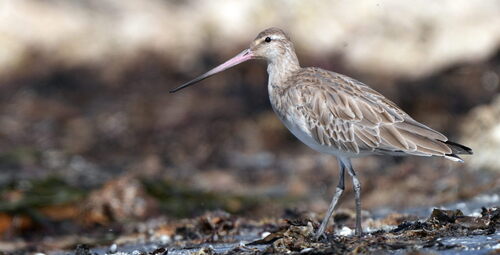 Pittima minore
 Marbled Godwit
In breve
Il segno di campo più affidabile tra Pittima minore e Pittima reale è il modello dell'ala inferiore e dell'ala in volo: Pittima reale mostra copritrici dell'ala inferiore di un ricco cannella e un'ala superiore uniforme, mentre Pittima minore manca di questo colore e appare invece più semplice o più striata sopra, specialmente nei giovani e negli uccelli non in riproduzione. Pittima minore ha anche un becco leggermente ricurvo, bicolore e zampe più corte, mentre Pittima reale è più robusta con un becco molto lungo, leggermente ricurvo e di base rosa. Le Pittime minori in riproduzione sono rosso mattone sotto, ma gli uccelli non in riproduzione e i giovani possono essere confusamente simili a Pittima reale, quindi la struttura e le viste in volo sono fondamentali. Entrambi sono grandi uccelli costieri a lunghe zampe, ma Pittima reale è la più grande delle pittime e tende a sembrare con un collo più lungo e più pesante nel complesso.
Consigli di identificazione
- Controlla l'ala inferiore in volo: Pittima reale mostra copritrici dell'ala inferiore di un ricco cannella, visibili in volo o quando si allungano; Pittima minore manca di questo colore e appare più chiara o semplice sotto. Questo è il segno più affidabile per tutte le età.
- Cerca il rosso mattone sotto (solo in riproduzione): I maschi di Pittima minore in abito nuziale sono rosso mattone sul collo, sul petto e sull'addome; le femmine sono più opache ma ancora rossastre. Pittima reale non mostra mai questo rosso, rimanendo marrone chiaro con barre. Questo segno è utile solo in primavera/estate nei luoghi di riproduzione o durante la migrazione.
- Struttura e colore del becco: Entrambi hanno becchi lunghi e leggermente ricurvi, ma quello di Pittima reale è più lungo e più robusto, con una base rosa e una punta scura. Il becco di Pittima minore è anche di base rosa ma in media è più corto e più finemente affusolato. Il colore del becco non è sempre ovvio a distanza, ma la lunghezza e la robustezza possono essere confrontate in viste dirette.
- Lunghezza delle zampe e postura: Pittima reale ha zampe più lunghe e sta in piedi più alta, con un aspetto più pesante e robusto. Pittima minore ha zampe relativamente corte per una pittima e appare più compatta.
- Modello dell'ala superiore (giovani e non in riproduzione): Le Pittime minori giovani e non in riproduzione sono grigio-marroni semplici sopra con striature sottili, mentre le Pittime reali sono più macchiate e hanno una tonalità marrone più calda. In volo, nessuna mostra una barra d'ala audace, ma l'ala superiore uniforme di Pittima reale e l'ala inferiore di cannella si distinguono.
- Barre e striature sotto: Pittima reale mostra barre scure sul petto e sui fianchi, mentre Pittima minore (fuori dalla riproduzione) è più bianca sotto con striature o buff sui fianchi e sul petto, specialmente nei giovani.
- Modello della coda: Non diagnostico tra questi due; nessuno mostra la coda bianca audace di Pittima reale.
- Lunghezza del collo: Pittima reale ha un collo più lungo, contribuendo alla sua postura snella e eretta. Pittima minore appare con un collo più corto e più compatto.
- Contesto dell'habitat: In Nord America, Pittima reale è molto più probabile che si trovi nell'entroterra o su zone umide prative, mentre Pittima minore è un raro vagabondo tranne che sulla costa del Pacifico. In Eurasia/Australasia, Pittima minore è la pittima predefinita su fanghi costieri.
- Contesto stagionale: L'abito nuziale (rosso sotto) è visibile solo in Pittima minore e solo nella stagione giusta. La maggior parte della confusione si verifica negli abiti non in riproduzione o giovanili.
- Composizione del gruppo: I gruppi di Pittima reale possono essere più uniformi in dimensione e colore, mentre i gruppi di Pittima minore possono mostrare più variazione a causa del dimorfismo sessuale e dell'età.
- Comportamento alimentare: Entrambi setacciano il fango, ma Pittima reale può anche raccogliere insetti nell'erba; questo è sottile e non è un segno di campo primario.
- Stile di volo: I voli cerimoniali di Pittima minore sono più ordinati e meno erratici rispetto a Pittima reale, ma non distintivi rispetto a Pittima reale.
- Voce: Non diagnostico tra questi due in base alle note disponibili.
- Trappole: Le Pittime minori non in riproduzione e i giovani possono essere molto simili a Pittima reale, specialmente a distanza. Prova sempre a ottenere una vista in volo per controllare il colore dell'ala inferiore e usa più segni insieme per la massima accuratezza.
Taglia
Pittima reale è, in media, la più grande delle pittime, con una lunghezza totale di 40–50 cm e un'apertura alare di 70–88 cm, rispetto ai 37–41 cm di lunghezza e ai 70–80 cm di apertura alare di Pittima minore. La massa corporea media per Pittima minore è di circa 333,5 g ([wikidata]), mentre i maschi di Pittima reale pesano in media 326 g e le femmine 391 g ([wikipedia]), quindi c'è sovrapposizione ma Pittima reale tende a essere più pesante, specialmente tra le femmine. Pittima reale ha anche un becco notevolmente più lungo (fino a 13 cm) e appare più robusta e a zampe lunghe in confronto diretto.
Piumaggio
- Giovani e uccelli non in riproduzione: I giovani e gli adulti non in riproduzione di Pittima minore sono grigio-marroni semplici sopra con centri delle piume più scuri, dando un aspetto sottilmente striato, e sono bianchi sotto con alcune striature e buff sui fianchi e sul petto. Pittima reale, al contrario, è marrone chiaro sotto con barre scure sul petto e sui fianchi, e ha un dorso macchiato scuro. In volo, Pittima reale mostra copritrici dell'ala inferiore di un ricco cannella, una differenza chiave rispetto a Pittima minore, che manca di questo colore e appare più semplice sotto.
- Abito nuziale: Pittima minore in abito nuziale è rosso mattone sul collo, sul petto e sull'addome (maschi), con le femmine più opache e più cannella. Pittima reale non mostra questo rosso; invece, rimane marrone chiaro con barre scure.
- Modello dell'ala in volo: Pittima reale mostra ali inferiori di un ricco cannella e ali superiori uniformi, mentre Pittima minore manca di questo e può mostrare più striature o un aspetto più semplice, specialmente negli immaturi. Nessuna delle due specie mostra la barra d'ala bianca audace di Pittima reale, ma il colore dell'ala inferiore è un forte separatore.
- Colore del becco: Entrambi hanno becchi lunghi e leggermente ricurvi, ma quello di Pittima minore è rosa alla base e nero alla punta, mentre quello di Pittima reale è più lungo, di base rosa e leggermente ricurvo con una punta scura.
Comportamento
Entrambe le specie si nutrono setacciando fanghi e paludi con i loro lunghi becchi, ma Pittima reale può anche raccogliere insetti a vista nell'erba corta. Pittima minore è famosa per voli migratori estremamente lunghi e non stop, a volte oltre 10.000 km, ed è meno territoriale, con voli cerimoniali che sono più ordinati e meno erratici rispetto a Pittima reale. Pittima reale non è nota per una migrazione così estrema in queste note, ma entrambe le specie sono altamente migratorie e spesso si trovano in gruppi. Il comportamento di riposo è simile, con gli uccelli che spesso stanno in piedi su una gamba e ripiegano il becco nel corpo.
Habitat
Pittima minore nidifica sulle coste artiche e nella tundra dalla Scandinavia all'Alaska, svernando sulle coste temperate e tropicali dell'Australia e della Nuova Zelanda. Pittima reale nidifica nel centro e nell'ovest del Nord America (incluso l'Alaska e il Canada centrale) e sverna nel sud degli Stati Uniti fino al nord-ovest del Sud America. Entrambi si trovano su fanghi costieri, estuari e spiagge durante la migrazione e l'inverno, ma Pittima minore è più strettamente costiera al di fuori della stagione di riproduzione, mentre Pittima reale può essere trovata sia in zone umide costiere che interne.