

Gambecchio di Baird vs Gambecchio americano
Calidris bairdii contro Calidris minutilla
Fai un quiz con Gambecchio di Baird e Gambecchio americano
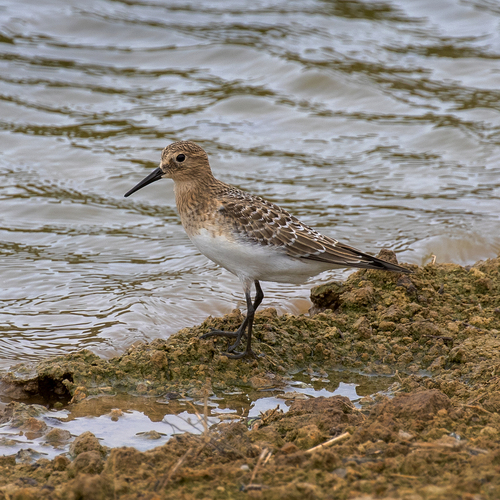 Gambecchio di Baird
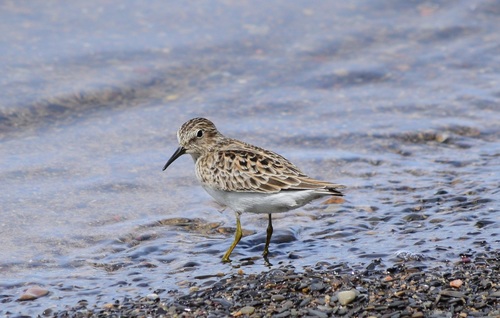 Gambecchio americano
In breve
Il segno distintivo più affidabile per separare il Gambecchio di Baird dal Gambecchio americano è il colore delle gambe: il Gambecchio di Baird ha gambe nere, mentre il Gambecchio americano ha gambe giallo-verdi, visibili anche da lontano. Per gli uccelli a terra, il Gambecchio di Baird mostra ali molto lunghe che si estendono ben oltre la coda, una caratteristica non riscontrata nel Gambecchio americano. I giovani Gambecchi americani sono più luminosi e più rufous sopra, con strisce bianche sul mantello, mentre i giovani Gambecchi di Baird sono più opachi e più uniformi. Entrambe le specie sono piccole, ma il Gambecchio americano è il più piccolo uccello costiero nordamericano, e il Gambecchio di Baird appare leggermente più lungo e snello. Entrambi possono essere difficili da distinguere in stormi misti di 'peep', ma prestando attenzione alla struttura e al colore delle gambe si risolve solitamente la confusione.
Consigli di identificazione
- Il colore delle gambe è il segno distintivo più consistente: Il Gambecchio di Baird ha sempre gambe nere; il Gambecchio americano ha sempre gambe giallo-verdi. Questo è visibile anche da lontano o in condizioni di scarsa illuminazione, ma fai attenzione alle gambe macchiate di fango del Gambecchio americano, che possono sembrare scure.
- Proiezione delle ali oltre la coda: A terra, le ali del Gambecchio di Baird si estendono ben oltre la coda, dando un aspetto lungo e affusolato. Le ali del Gambecchio americano sono più corte e non si proiettano oltre la coda. Questo vale per tutte le età ed è particolarmente utile nelle viste laterali.
- Parte superiore dei giovani: I giovani Gambecchi americani sono più luminosi, con toni rufous e strisce bianche sul mantello audaci. I giovani Gambecchi di Baird sono più opachi, di un marrone più uniforme sopra, privi di forti striature rufous o bianche.
- Struttura generale: Il Gambecchio di Baird appare più lungo, snello e allungato, specialmente nelle ali e nella coda. Il Gambecchio americano è compatto, con collo corto e corpo rotondo.
- Forma del becco: Entrambi hanno becchi corti, sottili e scuri, ma il Gambecchio di Baird può apparire leggermente più lungo e dritto; il becco del Gambecchio americano può sembrare più fine e leggermente ricurvo all'estremità, ma questo è sottile e variabile.
- Motivo del petto: Il Gambecchio di Baird ha un petto marrone chiaro con sottili striature, che si fonde con il ventre bianco. Le striature del petto del Gambecchio americano sono spesso più concentrate ai lati, con un centro bianco più pulito.
- Supercilium e corona: Il Gambecchio americano mostra una linea chiara sopra l'occhio (supercilium) e una corona più scura, specialmente in abito nuziale. Il motivo della testa del Gambecchio di Baird è più semplice e meno contrastante.
- Rim e coda superiore: Il Gambecchio di Baird ha una macchia scura sul rim, ma questa non è così evidente come nel Gambecchio di Bonaparte ed è raramente un segno distintivo primario per queste due specie.
- Colore delle gambe nel fango: Se le gambe del Gambecchio americano sono fangose, possono apparire scure—controlla sempre per qualsiasi accenno di giallo-verde.
- Volo: Entrambe le specie hanno un volo rapido e basso con battiti d'ali veloci, ma il Gambecchio di Baird può apparire con ali più lunghe e appuntite in volo.
- Preferenza per l'habitat: Se vedi un 'peep' in un bordo molto fangoso e vegetato, è più probabile che sia un Gambecchio americano; il Gambecchio di Baird può preferire pianure più asciutte e aperte, ma questo non è diagnostico.
- Dimensione in stormi misti: Il Gambecchio americano è il più piccolo 'peep'; se un uccello appare leggermente più grande e allungato tra i Gambecchi americani, considera il Gambecchio di Baird.
- Confusione stagionale: Entrambe le specie possono apparire più chiare e grigie in inverno, ma il colore delle gambe e la proiezione delle ali rimangono affidabili.
- Sesso e età: Nessun forte dimorfismo sessuale; tutti i segni distintivi sopra si applicano a entrambi i sessi. I segni giovanili sono più utili a fine estate e inizio autunno.
- Attenzione ad altri 'peep': Entrambi possono essere confusi con il Gambecchio semipalmato e il Gambecchio dell'Alaska; controlla sempre prima il colore delle gambe e la proiezione delle ali.
Taglia
Il Gambecchio americano è il più piccolo uccello costiero in Nord America, misurando 13–15 cm di lunghezza e pesando 19–30 g [wikipedia]. Il Gambecchio di Baird è simile per dimensioni ma leggermente più lungo e snello nel complesso (misure precise non fornite nelle note, ma entrambi rientrano nella categoria dei 'piccoli peep'). Sul campo, il Gambecchio di Baird può apparire più allungato, specialmente a causa delle sue lunghe ali e della proiezione della coda, mentre il Gambecchio americano appare più compatto e con collo corto.
Piumaggio
- Uccelli giovani/immaturi: I giovani Gambecchi americani hanno un motivo distintivo sopra, con toni rufous brillanti e strisce bianche sul mantello audaci. I giovani Gambecchi di Baird sono più uniformemente marroni scuri sopra con meno contrasto e privi delle brillanti striature rufous e bianche.
- Colore delle gambe (tutte le età): Il Gambecchio di Baird ha sempre gambe nere; il Gambecchio americano mostra sempre gambe giallo-verdi, un segno distintivo chiave.
- Riproduzione adulta: Entrambi sono marroni sopra e bianchi sotto, ma il Gambecchio di Baird ha una testa e un petto striati più chiari e una macchia scura sul rim. Il Gambecchio americano ha un supercilium chiaro e una corona più scura.
- Abito invernale: Entrambi diventano più grigi sopra, ma il Gambecchio di Baird rimane con ali più lunghe e gambe nere, mentre il Gambecchio americano mantiene gambe giallo-verdi e un aspetto più compatto.
- Proiezione delle ali (tutte le età): Le ali del Gambecchio di Baird si estendono ben oltre la coda quando è posato; quelle del Gambecchio americano no.
Comportamento
Entrambe le specie si nutrono su fanghiglie e coste, beccando in superficie o sondando per il cibo. Il Gambecchio americano può apparire più accovacciato e deliberato, spesso nutrendosi in aree più umide e fangose. Il Gambecchio di Baird può apparire più eretto, con una postura più snella e allungata a causa delle sue lunghe ali e coda. Il comportamento in stormo è simile, ma il Gambecchio di Baird può mescolarsi di più con altri gambecchi migratori a lungo raggio.
Habitat
Entrambe le specie utilizzano habitat simili durante la migrazione—fanghiglie, coste e i bordi di stagni o laghi. Il Gambecchio americano nidifica nella tundra e nei torbiere nordamericani, mentre il Gambecchio di Baird nidifica più a nord e a ovest. Durante la migrazione, il Gambecchio americano può essere più probabile in bordi fangosi e vegetati, mentre il Gambecchio di Baird può essere trovato in pianure più aperte e asciutte, ma c'è molta sovrapposizione.
Gambecchio di Baird · Gambecchio americano · I miei uccelli difficili