
Ayres's Hawk-Eagle vs Verreaux's Eagle
Hieraaetus ayresii contro Aquila verreauxii
Fai un quiz con Ayres's Hawk-Eagle e Verreaux's Eagle
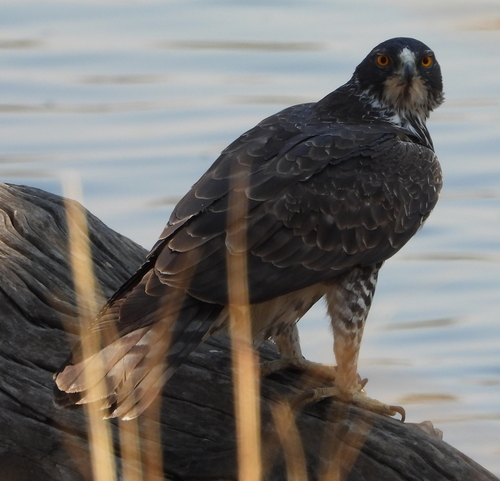 Ayres's Hawk-Eagle
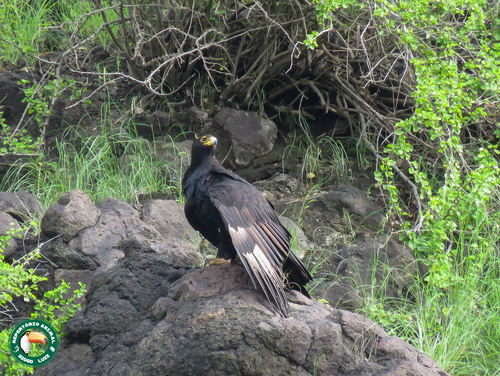 Verreaux's Eagle
In breve
Il segno distintivo più affidabile tra Ayres's Hawk-Eagle e Verreaux's Eagle è la dimensione e la struttura complessiva: Verreaux's è un'aquila massiccia e corpulenta, mentre Ayres's è molto più piccola e più leggera. In volo, i giovani Verreaux's Eagles mostrano ampie macchie bianche sulla parte inferiore dell'ala e una nuca dorata a contrasto, mentre i giovani di Ayres's mancano di queste caratteristiche e sono più uniformemente scuri sopra con marcature più rade sotto. Gli adulti di Verreaux's Eagles sono quasi completamente neri con un audace bianco sulla coda e sulla schiena, mentre gli adulti di Ayres's sono nerastro sopra ma pesantemente macchiati e striati sotto, con un supercilio e una fronte bianchi. Anche a distanza, la massa e le ali a forma di pala di Verreaux's Eagle si distinguono rispetto all'Ayres's Hawk-Eagle, più compatto e simile a un poiana.
Consigli di identificazione
- Size is the first check: Se l'uccello è davvero massiccio, con un'apertura alare e una massa paragonabili alle aquile più grandi, è Verreaux's. Ayres's è molto più piccolo, solo delle dimensioni di una poiana. Usa uccelli vicini o caratteristiche del paesaggio per scala.
- Flight shape: Verreaux's vola con ali in un forte dihedrale (forma a V), ali larghe e a forma di pala, e primarie sollevate. Ayres's ha un profilo alare più piatto, simile a una poiana, e appare più leggero e più agile.
- Juvenile underwing pattern: I giovani Verreaux's Eagles mostrano ampie macchie bianche sulla parte inferiore dell'ala e una nuca dorata—unica nella regione. I giovani di Ayres's hanno ali inferiori scure e pesantemente striate senza grandi macchie bianche, e mancano della nuca dorata.
- Adult plumage: L'adulto di Verreaux's è quasi completamente nero con un audace V bianco sulla schiena e sulla coda, e bianco alla base delle primarie. L'adulto di Ayres's è nerastro sopra, ma con macchie bianche, un supercilio bianco, e parti inferiori bianche pesantemente macchiate.
- Head pattern: Ayres's Hawk-Eagle ha una fronte e un supercilio bianchi, spesso visibili anche a distanza. Verreaux's manca di questo, essendo uniformemente scuro in testa da adulto.
- Crest: Ayres's mostra a volte una piccola cresta appuntita quando è posato o all'erta; Verreaux's non lo fa.
- Leg feathering: Entrambe le specie hanno gambe piumate, ma Ayres's ha gambe bianche pure e ben piumate, spesso visibili in buone viste. Le gambe di Verreaux's sono cremose o giallastre negli immaturi, meno contrastanti negli adulti.
- Tail pattern: Ayres's ha una coda grigia cenere con una larga punta nera e strisce scure strette; la coda di Verreaux's è più scura e meno distintamente striata, spesso apparendo nerastra negli adulti.
- Perched jizz: L'Aquila Verreaux's posata appare enorme, con un petto profondo e ali lunghe, spesso sovrastando altri rapaci. Ayres's è più snello e eretto, con una coda e ali proporzionalmente più corte.
- Habitat context: Se vista sopra colline rocciose o scogliere, specialmente vicino a colonie di procavie, è probabile che sia Verreaux's. Sopra boschi o margini forestali, Ayres's è più probabile.
- Sexual dimorphism: Solo Ayres's mostra marcate differenze di dimensione e macchie tra i sessi; Verreaux's sessi sono simili nel piumaggio.
- Melanistic Ayres's: Rari morfi scuri di Ayres's possono apparire molto scuri, ma mancano comunque della massa e della coda bianca di Verreaux's.
- Immature confusion: I giovani di Verreaux's possono essere bruni, ma mostrano comunque una nuca dorata e ampie macchie bianche sulla parte inferiore dell'ala; i giovani di Ayres's sono più bruni con meno contrasto e mancano di queste caratteristiche.
- Wing coverts in flight: Verreaux's ha bianco alla base delle primarie e sulla schiena; Ayres's manca di questi, con ali superiori più uniformemente scure.
- Bill and feet: Verreaux's ha un becco e piedi massicci adatti per prede grandi; il becco e i piedi di Ayres's sono molto più piccoli e più delicati.
Taglia
Verreaux's Eagle è drammaticamente più grande, con una massa corporea media di oltre 4 kg, rispetto ad Ayres's Hawk-Eagle che pesa meno di 1 kg [wikidata]. Verreaux's è uno dei rapaci più grandi dell'Africa, con un'apertura alare e una lunghezza paragonabili all'Aquila reale, e appare enorme e potente sia posato che in volo. Ayres's Hawk-Eagle è solo delle dimensioni di una grande poiana o di un'aquila piccola, con un telaio molto più leggero e ali e coda più corte. Questa differenza di dimensione è evidente in qualsiasi confronto diretto o quando vista vicino ad altri grandi rapaci.
Piumaggio
-
Juvenile/immature: I giovani Verreaux's Eagles sono marrone scuro con una corona dorata e una nuca rufosa, oltre a ampie macchie bianche sulla parte inferiore dell'ala in volo—un segno distintivo chiave. Le loro parti inferiori sono marroni con macchie rufose a crema, e le copritrici superiori mostrano strisce bianche. I giovani di Ayres's Hawk-Eagle sono marrone scuro sopra, con un collo più chiaro, e per lo più bianchi sotto con marcature scure sparse. Mancano della nuca dorata e delle ampie macchie bianche sulla parte inferiore dell'ala di Verreaux's, e la loro parte inferiore dell'ala è più uniformemente striata e scura, senza un pannello chiaro o finestra.
-
Adult: Gli adulti di Verreaux's Eagles sono sorprendentemente neri con un audace V bianco sulla schiena e sulla coda, e macchie bianche alla base delle primarie visibili in volo. Gli adulti di Ayres's sono nerastro sopra con macchie bianche, una fronte e un supercilio bianchi, e parti inferiori bianche pesantemente macchiate. La parte inferiore dell'ala di Ayres's è scura e pesantemente striata, mancando delle macchie bianche di Verreaux's. Ayres's ha anche una piccola cresta, a volte visibile quando posato.
-
Entrambe le specie mostrano dimorfismo sessuale, ma solo Ayres's Hawk-Eagle ha una differenza notevole in dimensione e macchie tra maschi e femmine.
Comportamento
Verreaux's Eagle vola con ali in un pronunciato dihedrale (forma a V), spesso in alto su terreni montuosi, e ha un volo lento e potente con ali larghe e a forma di pala. È spesso visto cacciare o pattugliare scogliere e pendii rocciosi. Ayres's Hawk-Eagle è più agile e galleggiante in volo, con un aspetto più vicino a una poiana o a un'aquila piccola, e viene tipicamente visto sopra boschi o margini forestali, spesso volando più in basso e con battiti d'ali più rapidi e flessibili. Quando è posato, Verreaux's appare massiccio e imponente, mentre Ayres's è più compatto e eretto.
Habitat
Verreaux's Eagle è fortemente associato a colline rocciose, scogliere e regioni montuose, raramente avventurandosi lontano da questi habitat. È un predatore specializzato di procavie e viene raramente trovato in boschi densi o foreste di pianura. Ayres's Hawk-Eagle, al contrario, è un uccello delle foreste e dei margini forestali africani, evitando aree rocciose aperte. Pertanto, il contesto e l'habitat possono essere un forte indizio: un grande aquila nera sopra le scogliere è quasi certamente Verreaux's, mentre un'aquila di dimensioni medie sopra il bosco è più probabile che sia Ayres's.
Ayres's Hawk-Eagle · Verreaux's Eagle · I miei uccelli difficili