

Antarctic Prion vs Slender-billed Prion
Pachyptila desolata contro Pachyptila belcheri
Fai un quiz con Antarctic Prion e Slender-billed Prion
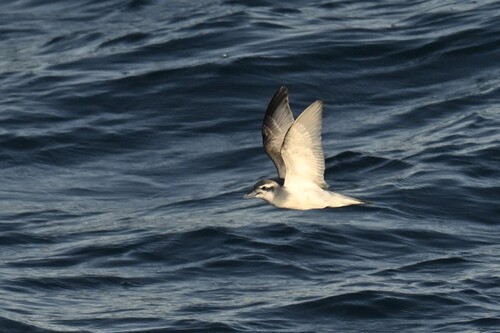 Antarctic Prion
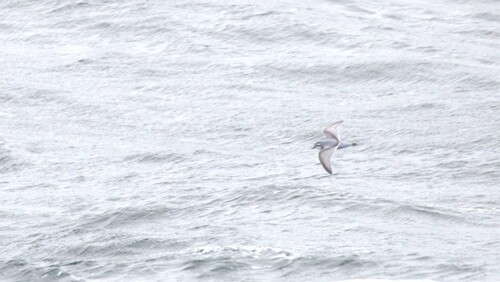 Slender-billed Prion
In breve
Antarctic Prion e Slender-billed Prion sono estremamente simili a tutte le età, con parti superiori blu-grigie, parti inferiori bianche e una 'M' scura sulla schiena e sulle ali. Il segno di campo più affidabile, quando visibile, è il becco: l'Antarctic Prion ha un becco notevolmente più largo e tozzo, mentre il becco dello Slender-billed Prion è più stretto e delicato. Entrambe le specie mostrano un sopracciglio bianco e una coda a forma di cuneo con una punta nera, e il loro piumaggio è quasi indistinguibile sul campo, specialmente in mare. La separazione è difficile anche per gli esperti, e la maggior parte delle identificazioni sul campo si basa su sottili differenze strutturali piuttosto che sul piumaggio.
Consigli di identificazione
- La forma del becco è il segno di campo chiave: l'Antarctic Prion ha un becco più largo e tozzo, mentre il becco dello Slender-billed Prion è notevolmente più stretto e delicato. Questa differenza è sottile e meglio visibile da vicino o in buona luce; è spesso impossibile giudicare in mare o in volo.
- La dimensione è solo un indizio minore: l'Antarctic Prion è il più grande prione, ma la differenza è lieve e non affidabile a meno che gli uccelli non siano affiancati.
- Il piumaggio è quasi identico: entrambe le specie mostrano parti superiori blu-grigie, parti inferiori bianche, una 'M' scura sulle ali superiori, un sopracciglio bianco e una coda a forma di cuneo con una punta nera. Non fare affidamento sul piumaggio per la separazione.
- Copritrici maggiori e schema delle ali: le copritrici maggiori dell'Antarctic Prion sono descritte come quasi nere, ma questa non è una differenza consistente o diagnostica rispetto allo Slender-billed Prion, che ha uno schema delle ali molto simile.
- Marcature facciali: lo Slender-billed Prion può mostrare una linea scura più distinta sotto l'occhio che si estende verso il collo, ma questa caratteristica è sottile e variabile, e non sempre visibile.
- Colore dei piedi: entrambi hanno piedi blu o blu pallido, che non è un segno di campo utile per la separazione.
- Schema della coda: entrambe le specie hanno una coda grigia a forma di cuneo con una punta nera; questa non è una caratteristica distintiva.
- Stile di volo e comportamento: entrambe le specie hanno stili di volo e comportamenti alimentari simili; non usare il comportamento per l'identificazione.
- Età e muta: non sono descritte differenze specifiche per età o legate alla muta tra queste due specie; i giovani e gli adulti si somigliano.
- L'identificazione in mare è inaffidabile: anche gli osservatori esperti spesso non riescono a distinguere queste specie in mare; la maggior parte delle identificazioni sul campo è meglio lasciata come 'prion sp.' a meno che il becco non possa essere chiaramente visto.
- Contesto e distribuzione: entrambe le specie si sovrappongono ampiamente nell'Oceano Meridionale; non usare la posizione come segno di campo primario.
- Fagotti misti: entrambe le specie possono verificarsi insieme in fagotti misti di prioni, rendendo l'identificazione ancora più difficile.
- Fotografie: se si tenta l'identificazione da foto, concentrarsi sulla forma e sulla larghezza del becco, ma essere consapevoli che angoli e illuminazione possono essere fuorvianti.
- Voce: non sono descritte differenze vocali utili per la separazione sul campo.
- Riepilogo: nella maggior parte delle situazioni sul campo, specialmente in mare, la separazione tra Antarctic e Slender-billed Prion non è possibile senza una vista eccezionalmente chiara del becco. In caso di dubbio, registrare come 'prion sp.' e annotare eventuali impressioni strutturali per una revisione successiva.
Taglia
L'Antarctic Prion è la specie di prione più grande, con una massa media di circa 156 g [wikidata], mentre lo Slender-billed Prion è leggermente più piccolo, anche se non sono forniti dati precisi sulla massa. In pratica, questa differenza di dimensione è sottile e raramente diagnostica sul campo a meno che non siano visti affiancati. Entrambe le specie sono simili in lunghezza complessiva e apertura alare, ma l'Antarctic Prion può apparire un po' più robusto e pesante.
Piumaggio
Entrambe le specie condividono il classico piumaggio dei prioni: parti superiori blu-grigie, parti inferiori bianche, un motivo 'M' scuro sulle ali superiori e sulla schiena, un sopracciglio bianco e una coda grigia a forma di cuneo con una punta nera. Le copritrici maggiori dell'Antarctic Prion sono descritte come quasi nere, ma questa non è un segno di campo affidabile per la separazione dallo Slender-billed Prion, che mostra un motivo molto simile. Lo Slender-billed Prion è noto per una linea scura che si estende da sotto l'occhio quasi fino al collo, che può essere leggermente più pronunciata rispetto all'Antarctic Prion, ma questa è sottile e variabile. Non sono descritte differenze specifiche per età nel piumaggio o nel volo tra queste due specie, e sia gli adulti che i giovani sono essenzialmente identici nel piumaggio. In mare, anche gli osservatori esperti spesso non riescono a distinguerli solo dal piumaggio.
Comportamento
Entrambe le specie sono pelagiche e trascorrono la maggior parte della loro vita in mare, nutrendosi principalmente di zooplancton filtrando l'acqua attraverso i loro becchi. Il loro volo è galleggiante e planante, tipico dei prioni, e non sono notate differenze comportamentali che possano aiutare nella separazione sul campo. Entrambi possono essere visti in fagotti misti di prioni, complicando ulteriormente l'identificazione.
Habitat
Sia l'Antarctic che lo Slender-billed Prion abitano l'Oceano Meridionale e si trovano in ambienti pelagici simili. Non c'è separazione basata sull'habitat sul campo, poiché entrambe le specie possono verificarsi insieme nelle stesse aree, specialmente durante le stagioni non riproduttive.
Antarctic Prion · Slender-billed Prion · I miei uccelli difficili