

Antarctic Prion vs Fluttering Shearwater
Pachyptila desolata contro Puffinus gavia
Fai un quiz con Antarctic Prion e Fluttering Shearwater
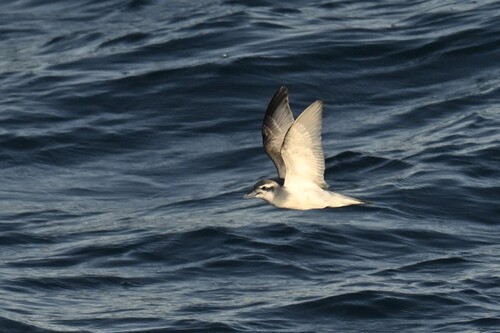 Antarctic Prion
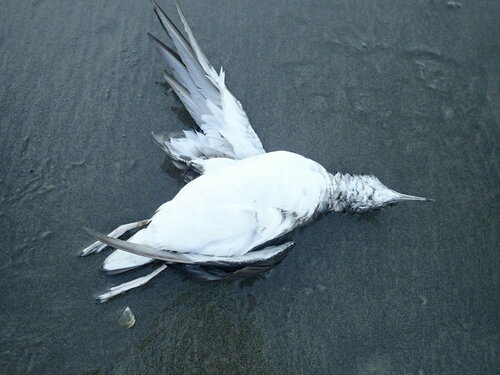 Fluttering Shearwater
In breve
Il segno di campo più affidabile per separare l'Antarctic Prion dal Fluttering Shearwater è il motivo delle ali superiori: l'Antarctic Prion (tutte le età) mostra un'ala superiore blu-grigia con una bold 'M' scura che si estende dalla schiena alle punte delle ali, mentre il Fluttering Shearwater ha parti superiori uniformemente marroni scure senza alcuna 'M' o pannello contrastante. In volo, le tonalità blu-grigie più chiare del prione e la coda a forma di cuneo con punta nera contrastano con le parti superiori più uniformemente scure e marroni del shearwater e la coda corta a forma di ventaglio. Il Fluttering Shearwater è anche notevolmente più grande e pesante, con un becco più lungo e sottile e gambe marroni-rosate che spesso si proiettano oltre la coda in volo. Entrambe le specie possono apparire superficialmente simili a distanza, ma un'attenta attenzione al motivo delle ali, alla struttura e al colore delle gambe le separerà.
Consigli di identificazione
- Upperwing pattern (all ages): L'Antarctic Prion mostra un'ala superiore blu-grigia con una bold 'M' dalla schiena alle punte delle ali; il Fluttering Shearwater è uniformemente marrone scuro sopra, privo di qualsiasi 'M' o pannello. Questo è il segno migliore in volo.
- Tail shape and color: L'Antarctic Prion ha una coda grigia a forma di cuneo con una punta nera; la coda del Fluttering Shearwater è corta, a forma di ventaglio, e mista marrone e bianca.
- Bill structure: Il becco del prione è corto, spesso e blu-grigio; il becco del Fluttering Shearwater è più lungo, più sottile e scuro. Il colore e la forma del becco sono meglio visibili a distanza ravvicinata o in buona luce.
- Leg color and projection: Il Fluttering Shearwater ha gambe e piedi marroni-rosati con membrane scure, e i piedi spesso si estendono oltre la coda in volo. L'Antarctic Prion ha piedi blu, ma questi sono raramente visibili in volo.
- Facial pattern: Il prione ha un sopracciglio bianco e un viso blu-grigio più contrastante; il viso del Fluttering Shearwater è marrone-grigio, sfumando a bianco sotto l'occhio, senza un forte sopracciglio.
- Underwing: Il Fluttering Shearwater ha principalmente ali inferiori bianche con un'area ascellare marrone-grigia; l'ala inferiore dell'Antarctic Prion non è descritta in dettaglio, ma le parti inferiori sono bianche.
- Body size and jizz: Il Fluttering Shearwater è più robusto, con ali più lunghe e corpo più pesante; l'Antarctic Prion è più piccolo e più delicato. In stormi misti, la differenza di dimensione può essere evidente.
- Flight style: Il prione ha un volo più galleggiante e planante; il shearwater vola basso e veloce con battiti d'ala rapidi e planate.
- Moult effects: Il Fluttering Shearwater a fine estate-autunno può apparire più chiaro e strappato sopra, ma manca ancora del motivo 'M' del prione.
- Juvenile confusion: I giovani Fluttering Shearwaters sono simili agli adulti ma con margini delle copritrici delle ali più chiari; non sono stati notati segni distintivi per i giovani prioni.
- Habitat context: Il Fluttering Shearwater è probabile che si trovi vicino alle coste della Nuova Zelanda; l'Antarctic Prion è più pelagico e meno probabile vicino alla costa.
- Vocalization: Se udito, il richiamo del Fluttering Shearwater 'ka-hek-ka-hek' è distintivo; il richiamo del prione non è un segno di campo.
- Feeding behavior: Il prione filtra spesso lo zooplancton in superficie; il shearwater può essere visto tuffarsi o inseguire pesci.
- Seasonal context: Il Fluttering Shearwater è presente nelle acque della Nuova Zelanda principalmente da settembre a febbraio; la presenza dell'Antarctic Prion è meno legata alle stagioni di riproduzione locali.
- When marks fail: A grande distanza o in scarsa luce, entrambi possono apparire come piccoli uccelli marini con pancia chiara; concentrati sul motivo delle ali e sullo stile di volo per la migliore separazione.
Taglia
L'Antarctic Prion è significativamente più piccolo e leggero del Fluttering Shearwater. Il prione pesa in media circa 156 g [wikidata], mentre le femmine di Fluttering Shearwater pesano in media 302 g e i maschi 243 g [wikipedia]. Sul campo, il Fluttering Shearwater appare più robusto, con un corpo più lungo e ali visibilmente più lunghe. Il prione è più delicato e compatto, con un becco più corto e tozzo e un'impressione complessiva più piccola.
Piumaggio
- Juvenile/immature and adult Antarctic Prion: Parti superiori blu-grigie con una forte 'M' scura dalla schiena attraverso le ali fino alle punte; parti inferiori bianche; sopracciglio bianco; becco blu-grigio; piedi blu; coda grigia a forma di cuneo con una punta nera; copritrici maggiori quasi nere, creando un contrasto sull'ala. Questo motivo è coerente tra le età, senza menzione di segni specifici per i giovani sulle ali superiori [wikipedia].
- Fluttering Shearwater (all ages): Le parti superiori, comprese il collo, le ali e la coda, sono uniformemente marroni scure, prive di qualsiasi 'M' o pannello contrastante. Il viso e il collo sono marrone-grigio, sfumando a bianco sotto l'occhio. Le parti inferiori sono bianche con una macchia scura sulla coscia visibile in volo. L'ala inferiore è principalmente bianca con un'area ascellare marrone-grigia. La coda è corta, a forma di ventaglio, e mista marrone scuro e bianca. Gli uccelli in muta (fine estate-autunno) appaiono più chiari e strappati, con le parti superiori che sfumano a marrone ruggine [wikipedia]. I giovani hanno una colorazione simile agli adulti ma con margini delle copritrici delle ali più chiari.
Comportamento
L'Antarctic Prion è un filtratore, spesso visto scorrere sulla superficie per lo zooplancton. Il suo volo è tipicamente galleggiante e planante, con battiti d'ala meno rapidi rispetto ai shearwaters. Il Fluttering Shearwater ha un volo basso, veloce e mirato con battiti d'ala rapidi intervallati da planate. Spesso insegue le prede sott'acqua usando le sue ali, e le sue gambe e piedi possono essere conspicui che seguono dietro la coda. Il prione è più probabile che venga visto nell'oceano aperto, mentre il Fluttering Shearwater può essere visto più vicino alla costa, specialmente vicino alla Nuova Zelanda.
Habitat
L'Antarctic Prion è una specie dell'Oceano Meridionale, tipicamente vista lontano dalla terra tranne durante la riproduzione, e non è endemica della Nuova Zelanda. Il Fluttering Shearwater è endemico della Nuova Zelanda, riproducendosi lì e migrando in Australia e nelle Isole Salomone. È più probabile che venga visto vicino a coste rocciose e acque costiere, mentre l'Antarctic Prion è quasi esclusivamente pelagico.
Voce
Il Fluttering Shearwater ha un richiamo distintivo e disgiunto descritto come 'ka-hek-ka-hek-ka-hek', solitamente emesso in volo. La voce dell'Antarctic Prion non è descritta nelle note fornite, e non è un segno di campo affidabile per la separazione.
Antarctic Prion · Fluttering Shearwater · I miei uccelli difficili