

Aleutian Tern vs Lesser Frigatebird
Onychoprion aleuticus contro Fregata ariel
Fai un quiz con Aleutian Tern e Lesser Frigatebird
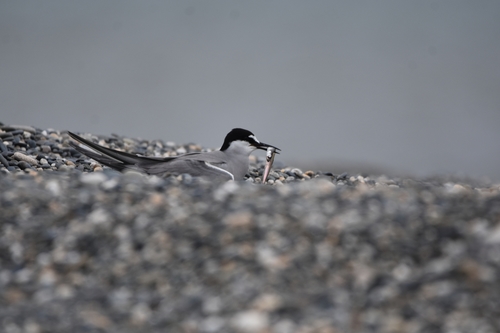 Aleutian Tern
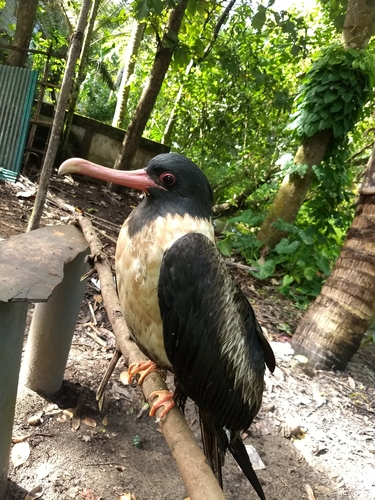 Lesser Frigatebird
In breve
Il segno di campo più affidabile per separare l'Aleutian Tern dal Lesser Frigatebird è la struttura complessiva: l'Aleutian Tern è un tern compatto di dimensioni medie con un becco corto e appuntito e una coda moderatamente forked, mentre il Lesser Frigatebird è un uccello marino molto più grande e con ali lunghe, con una coda profondamente forked e un becco lungo e sottile. In volo, l'Aleutian Tern (soprattutto gli adulti) mostra un sottovolo pallido con una barra scura sulle secondarie, mentre il Lesser Frigatebird (tutte le età) ha ali lunghe e strette e un distintivo sperone bianco nell'area 'ascella' del sottovolo (soprattutto nei giovani e nelle femmine). L'Aleutian Tern adulto ha una fronte bianca e un cappello nero; i maschi del Lesser Frigatebird sono completamente neri con un sacco gular rosso, mentre le femmine e i giovani hanno ampie zone bianche sulle parti inferiori e sul collare. Questi due sono estremamente improbabili da confondere affiancati, ma uccelli distanti o immaturi in volo possono causare confusione se si intravede solo la forma generale e il modello delle ali.
Consigli di identificazione
- Size and shape: Il Lesser Frigatebird è enorme rispetto all'Aleutian Tern—cerca un uccello quasi due volte più lungo, con un'apertura alare più del doppio e una coda drammaticamente lunga e profondamente forked. I tern sono compatti, con becchi corti e code meno esagerate.
- Bill shape: L'Aleutian Tern ha un becco corto, appuntito e nero; il Lesser Frigatebird ha un becco lungo, sottile e ricurvo (chiaro nelle femmine/giovani, scuro nei maschi). Questo è visibile anche da lontano se l'uccello è posato o vola basso.
- Tail fork: L'Aleutian Tern ha una coda moderatamente forked, spesso tenuta chiusa. La coda del Lesser Frigatebird è estremamente lunga e profondamente forked, spesso che si allunga dietro in una forma a V o a forbice, particolarmente evidente in volo.
- Underwing pattern (age-specific): L'Aleutian Tern adulto mostra un sottovolo pallido con una barra scura sulle secondarie; i giovani di solito non hanno questa barra. Il Lesser Frigatebird (tutte le età) mostra un 'sperone' bianco o una macchia nell'area 'ascella' del sottovolo (soprattutto nelle femmine e nei giovani), mai una barra scura. Se vedi una barra secondaria scura, è un'Aleutian Tern (adulto); se vedi uno sperone bianco, è un Lesser Frigatebird.
- Forehead and cap: L'Aleutian Tern (tutte le età) ha una fronte bianca e un cappello nero; il Lesser Frigatebird non mostra mai questo modello. I maschi del frigatebird hanno tutti la testa nera, le femmine hanno un collare e un petto bianchi, e i giovani hanno ampie zone bianche ma mai una fronte bianca con cappello nero.
- Upperwing pattern: L'Aleutian Tern ha ali superiori grigie uniformi con primarie con punte scure; i maschi del Lesser Frigatebird hanno una barra chiara sull'ala superiore, ma l'ala è molto più lunga e stretta nel complesso.
- Leg color: L'Aleutian Tern ha gambe nere; le gambe del Lesser Frigatebird sono corte e non facilmente visibili, ma non sono un segno di campo per la separazione.
- Flight style: L'Aleutian Tern vola con battiti d'ali rapidi e superficiali, spesso vicino all'acqua. Il Lesser Frigatebird plana e scivola senza sforzo, spesso in alto sopra l'acqua, con battiti d'ali lenti ed elastici e lunghi scivolamenti.
- Perched posture: L'Aleutian Tern si posa a terra o su pali bassi, apparendo compatto e eretto. Il Lesser Frigatebird raramente si posa tranne che sugli alberi o su scogliere/isole, e appare goffo e con ali lunghe quando è a riposo.
- Red throat sac: Solo il maschio adulto del Lesser Frigatebird mostra un sacco gular rosso, e solo quando si esibisce. Se vedi questo, è diagnostico per il frigatebird.
- White collar and underparts: Le femmine e i giovani del Lesser Frigatebird hanno un collare e un petto bianchi, ma anche i giovani Aleutian Tern (con un collare e parti inferiori bianchi). Tuttavia, la struttura complessiva e il modello del sottovolo li separeranno comunque.
- Habitat and range: L'Aleutian Tern si trova in Alaska/Siberia subartica, vicino alla costa o in colonie; il Lesser Frigatebird è strettamente tropicale/subtropicale e pelagico. Se ti trovi nella subartica, quasi certamente non è un frigatebird.
- Kleptoparasitism: Se osservi un uccello che infastidisce altri uccelli marini in volo per rubare cibo, è probabile che sia un frigatebird, non un tern.
- Sex differences: I sessi dell'Aleutian Tern sono simili; le femmine del Lesser Frigatebird sono più grandi, con un collare e un petto bianchi, e un anello oculare rosso, mentre i maschi sono tutti neri con un sacco gular rosso.
- Juvenile confusion: Entrambi i giovani delle specie mostrano bianco nell'area della testa/collo, ma solo i giovani dell'Aleutian Tern hanno una fronte bianca con cappello nero e una forma compatta da tern; i giovani del frigatebird sono snelli, con uno sperone bianco nel sottovolo e senza cappello nero.
Taglia
Il Lesser Frigatebird è enormemente più grande e massiccio rispetto all'Aleutian Tern. L'Aleutian Tern pesa circa 112 g ed è lungo 32–39 cm con un'apertura alare di 75–80 cm. Il Lesser Frigatebird pesa 806 g (intervallo maschio/femmina 625–955 g), è lungo 66–81 cm e ha un'apertura alare di 155–193 cm—quasi il doppio di quella del tern. Le ali del frigatebird sono molto più lunghe e strette, e la sua coda è più profondamente forked. Anche da lontano, le dimensioni e le proporzioni del frigatebird sono sorprendentemente diverse da quelle di qualsiasi tern.
Piumaggio
I giovani e gli adulti dell'Aleutian Tern mostrano entrambi una fronte bianca e un cappello nero, ma i giovani hanno un collare bianco e ampie zone bianche sulla fronte, con parti inferiori bianche e una coda grigia bordata di bianco. Gli adulti in piumaggio nuziale hanno una fronte bianca diagnostica, un cappello nero, un mantello grigio medio, parti inferiori grigie scure e un rump e una coda bianchi; il sottovolo è biancastro con una barra scura sulle secondarie (adulti), ma i giovani di solito non hanno questa barra scura. Gli adulti non in riproduzione sono poco conosciuti ma si pensa che assomiglino agli uccelli in riproduzione, con una corona maculata di bianco e una coda grigia. I maschi del Lesser Frigatebird sono per lo più tutti neri con una macchia bianca sul fianco che si estende come uno sperone sul sottovolo, e una barra chiara sull'ala superiore; il loro sacco gular rosso è visibile solo in esibizione. Le femmine hanno una testa e un collo neri, un collare e un petto bianchi, e uno sperone bianco sul sottovolo; è presente anche un sottile anello oculare rosso. I giovani e gli immaturi mostrano bianco nell'area 'ascella' del sottovolo (sperone), che è un segno chiave. I frigatebird non mostrano mai la fronte bianca o il modello compatto simile a un tern dell'Aleutian Tern, e il loro modello del sottovolo è dominato dallo sperone bianco, non da una barra secondaria scura.
Comportamento
L'Aleutian Tern si nutre volando basso sull'acqua e immergendosi in superficie per piccoli pesci, raramente tuffandosi o nuotando. È agile ma non così specializzato in volo come un frigatebird. Il Lesser Frigatebird è un maestro dell'aria, raramente atterrando sull'acqua, con un volo galleggiante e senza sforzo e lunghi scivolamenti. Spesso plana in alto ed è famoso per il kleptoparasitismo—infastidendo altri uccelli marini per rubare cibo—anche se cattura anche pesci volanti e calamari dalla superficie. L'Aleutian Tern è più probabile da vedere in colonie costiere o in acque vicino alla costa, mentre il Lesser Frigatebird è spesso visto planare in alto sopra mari tropicali o subtropicali aperti.
Habitat
L'Aleutian Tern nidifica in Alaska subartica e nella Siberia orientale, di solito in colonie costiere, e si nutre in acque poco profonde vicino alla costa, correnti di marea e talvolta fiumi o stagni d'acqua dolce. È un uccello delle regioni settentrionali e più fresche. Il Lesser Frigatebird è strettamente tropicale e subtropicale, trovato sopra oceani caldi e isole negli oceani Indiano, Pacifico e Atlantico (Brasile). Raramente si avvicina alla terra se non per nidificare su isole remote. Le due specie non si sovrappongono in habitat tipici di nidificazione o alimentazione.
Aleutian Tern · Lesser Frigatebird · I miei uccelli difficili