

African Wood-Owl vs Marsh Owl
Strix woodfordii contro Asio capensis
Fai un quiz con African Wood-Owl e Marsh Owl
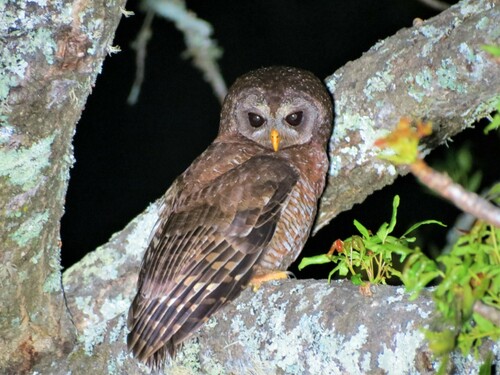 African Wood-Owl
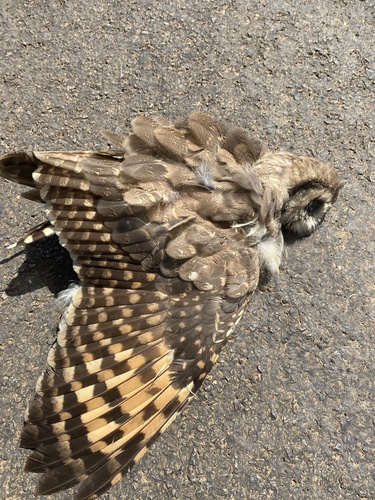 Marsh Owl
In breve
Il miglior segno sul campo per separare l'African Wood-Owl dal Marsh Owl è la presenza di piccole piume auricolari, spesso invisibili, sul Marsh Owl, rispetto alla testa completamente arrotondata e priva di piume dell'African Wood-Owl. In volo o posato, cerca il disco facciale pallido del Marsh Owl con un bordo scuro e possibili piume auricolari, rispetto alla testa scura e arrotondata dell'African Wood-Owl con sopracciglia bianche e senza piume. Gli esemplari giovani di African Wood-Owl sono di un rufous più chiaro, mentre i Marsh Owl mostrano meno cambiamenti di colore legati all'età. Entrambi sono gufi di dimensioni medie, con occhi scuri, ma la forma della loro testa e i modelli facciali sono costantemente diagnostici. L'habitat può anche aiutare: l'African Wood-Owl è una specie forestale, il Marsh Owl preferisce praterie aperte e paludi.
Consigli di identificazione
- Piume auricolari: Il Marsh Owl ha piccole piume auricolari di colore marrone-terra posizionate vicino al centro della fronte; queste possono essere difficili da vedere ma non sono mai presenti nell'African Wood-Owl. Se vedi piume, è un Marsh Owl.
- Forma della testa: L'African Wood-Owl ha una testa perfettamente arrotondata, 'Strix-like', senza piume; la testa del Marsh Owl è a forma di zucca e può sembrare meno arrotondata, specialmente se le piume sono visibili.
- Disco facciale: Il Marsh Owl mostra un disco facciale pallido con un forte bordo scuro e macchie color rufous, oltre a un'area scura attorno agli occhi. Il volto dell'African Wood-Owl è più scuro, con grandi occhi scuri contornati da 'sopracciglia' bianche e un becco giallo.
- Piumaggio giovanile: Gli esemplari giovani di African Wood-Owl sono di un rufous più chiaro, privi di un forte contrasto facciale; i giovani Marsh Owl non mostrano questa fase rufous.
- Parte inferiore: L'African Wood-Owl ha un ventre bianco con barre marroni; le parti inferiori del Marsh Owl non sono descritte come barrate, e il suo tono complessivo è di un marrone scuro più uniforme.
- Modello della coda: La coda del Marsh Owl è di un marrone scuro con barre pallide e una punta biancastra—cerca questo in volo o quando è posato con la coda visibile. Il modello della coda dell'African Wood-Owl non è descritto come distintivo.
- Zampe e dita: Le tarsi e le dita del Marsh Owl sono piumate di un pallido color rufous, con punte marroni scure; questo è visibile da vicino. La piumatura delle gambe dell'African Wood-Owl non è notata come diagnostica.
- Colore del becco: L'African Wood-Owl ha un becco giallo prominente; il colore del becco del Marsh Owl non è descritto, ma il becco giallo si distingue nell'African Wood-Owl.
- Differenze sessuali: I maschi di Marsh Owl sono generalmente più chiari delle femmine, ma questo è sottile e non è un segno principale sul campo.
- Dimensione e struttura: Il Marsh Owl è leggermente più grande e ha ali più lunghe, ma la sovrapposizione di dimensioni è considerevole; usa cautela a meno che non si vedano estremi.
- Postura posata: L'African Wood-Owl tende a posarsi in alto in copertura densa, spesso ben nascosto; il Marsh Owl può posarsi più in basso o a terra in aree aperte.
- Habitat: La foresta o il bosco denso indicano l'African Wood-Owl; la palude aperta o la prateria indicano il Marsh Owl.
- Vocalizzazioni: Se senti un duetto di hoot rapidi e chiari (maschio) e hoot più alti e più lenti (femmina), è l'African Wood-Owl. Le chiamate del Marsh Owl non sono descritte qui.
- Viste in volo: In volo, cerca le lunghe ali e la coda del Marsh Owl, il disco facciale pallido e le possibili piume auricolari; l'African Wood-Owl apparirà più compatto, con una testa arrotondata e senza piume.
- Trappole: In scarsa luce, le piume auricolari del Marsh Owl possono essere invisibili e la sua testa può sembrare arrotondata; controlla sempre il modello del disco facciale e l'habitat come backup.
Taglia
Entrambe le specie sono gufi di dimensioni medie, ma il Marsh Owl è leggermente più grande in media, con una lunghezza di 31–38 cm e un intervallo di peso di 225–485g, rispetto ai 30.5–35 cm e 240–350g dell'African Wood-Owl. C'è sovrapposizione, ma esemplari molto grandi o molto piccoli possono suggerire rispettivamente il Marsh Owl o l'African Wood-Owl. Le ali e la coda del Marsh Owl sono proporzionalmente più lunghe, adattandosi alle sue abitudini di paese aperto, mentre l'African Wood-Owl è più compatto per manovrare nella foresta.
Piumaggio
Gli esemplari giovani di African Wood-Owl sono complessivamente di un rufous più chiaro, privi del forte contrasto facciale del Marsh Owl a qualsiasi età. L'African Wood-Owl adulto ha una testa arrotondata di un ricco marrone, con macchie bianche, sopracciglia bianche audaci e un becco giallo; le parti inferiori sono bianche con barre marroni. Il Marsh Owl, al contrario, ha un disco facciale pallido con un bordo scuro distinto, un'area scura attorno agli occhi e piccole piume auricolari, a volte nascoste. La sua testa è a forma di zucca, non veramente rotonda, e la coda è di un marrone scuro con barre pallide e una punta biancastra. Le tarsi e le dita del Marsh Owl sono piumate di un pallido color rufous, mentre la piumatura delle gambe dell'African Wood-Owl non è descritta come distintiva. I maschi di Marsh Owl possono essere più chiari delle femmine, ma questo è sottile. In tutte le età, il disco facciale del Marsh Owl e le possibili piume auricolari sono chiave, mentre l'African Wood-Owl è sempre privo di piume e con testa arrotondata.
Comportamento
L'African Wood-Owl si riposa singolarmente o in coppie in alto nella densa copertura forestale durante il giorno, spesso ben nascosto. Il Marsh Owl è più probabile da vedere in aree aperte, a volte a terra o su posatoi bassi, ed è adattato alla caccia su praterie e paludi. Entrambi sono notturni, ma l'African Wood-Owl è più strettamente legato alla foresta e meno probabile da vedere in paese aperto.
Habitat
L'habitat è un forte indizio: l'African Wood-Owl è il gufo forestale più comune in Africa, trovato in aree boschive e copertura densa. Il Marsh Owl, come suggerisce il suo nome, abita praterie aperte, paludi e habitat simili di paese aperto. Se l'uccello viene spaventato da o caccia su una palude aperta o prateria, è molto più probabile che sia un Marsh Owl; in boschi densi, ci si aspetta l'African Wood-Owl.
Voce
L'African Wood-Owl produce un duetto distintivo: il maschio emette hoot rapidi e chiari in serie (WHU-hu, WHU-hu-hu, hu-hu), con la femmina che risponde con hoot più alti e più lenti. La chiamata è forte, si diffonde lontano, e spesso si sente dopo il crepuscolo. Le vocalizzazioni del Marsh Owl non sono descritte nelle note fornite, quindi la voce non è un separatore affidabile a meno che non si senta l'intero duetto dell'African Wood-Owl.