

Charrán Patinegro vs Colimbo Ártico
Thalasseus sandvicensis frente a Gavia arctica
Juega un quiz con Charrán Patinegro y Colimbo Ártico
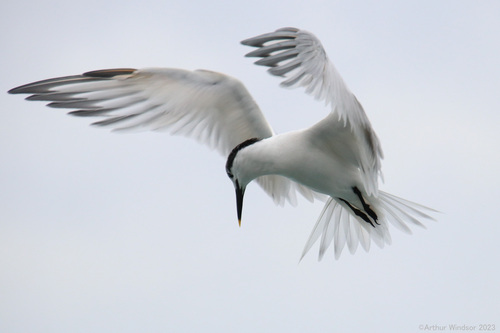 Charrán Patinegro
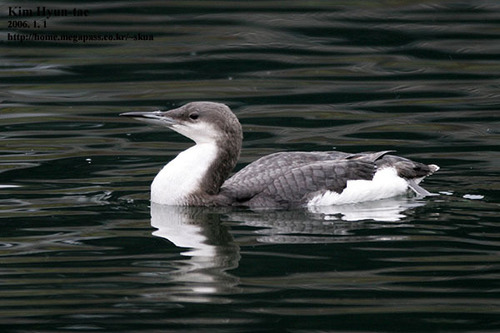 Colimbo Ártico
En breve
La marca de campo más confiable que separa al Charrán Patinegro del Colimbo Ártico es la estructura general y el estilo de vuelo: el Charrán Patinegro es un ave marina delgada, pálida y flotante con alas largas y puntiagudas y un pico negro afilado con una punta amarilla, mientras que el Colimbo Ártico es un ave acuática mucho más grande y de cuerpo pesado con un pico grueso y recto y un striking black-and-white checkered upperwing in breeding plumage. Los Charranes Patinegros juveniles en vuelo muestran un patrón escamoso en la espalda y puntas de cola oscuras, mientras que los Colimbos Árticos juveniles son en general más marrones y carecen del patrón de alas del charrán. En todas las edades, el colimbo es mucho más voluminoso, con un cuello más largo y se sienta bajo en el agua, mientras que el charrán es ágil y a menudo se ve volando o flotando sobre el mar. El color y la forma del pico son pistas inmediatas, pero el tamaño y el jizz son inconfundibles en comparación directa.
Consejos de identificación
- Tamaño y volumen: El Colimbo Ártico es mucho más grande y pesado que el Charrán Patinegro, con un cuello largo y un cuerpo grueso. Incluso los pájaros distantes muestran este contraste.
- Forma y color del pico: El Charrán Patinegro tiene un pico negro delgado y afilado con una punta amarilla (adulto), o completamente negro en juveniles; el Colimbo Ártico tiene un pico grueso, recto y completamente negro sin amarillo.
- Estilo de vuelo: El charrán es flotante, ágil, con batidos de alas rápidos y a menudo flota; el colimbo es pesado, con batidos de alas lentos y profundos y el cuello extendido.
- Patrón de alas (juveniles): El Charrán Patinegro juvenil muestra un patrón escamoso en la espalda y alas y un amplio margen blanco en la red interna de las primarias, que puede formar una 'punta de gancho' a medida que se desgasta. El Colimbo Ártico juvenil es marrón liso arriba con solo algunas manchas blancas, careciendo de cualquier patrón escamoso o con gancho.
- Cola: El Charrán Patinegro tiene una cola corta y ligeramente bifurcada con puntas oscuras en juveniles; la cola del colimbo es corta y negruzca, no bifurcada.
- Patrón de cabeza (adultos): El Charrán Patinegro adulto tiene una tapa negra (reducida a una frente blanca en invierno); el colimbo en plumaje de cría tiene una cabeza gris, garganta negra y líneas de collar blancas. En invierno, la cabeza del colimbo es más simple y carece de la garganta negra.
- Ala superior (adultos): El Charrán Patinegro es gris pálido arriba con primarias oscurecidas en verano; el colimbo tiene un ala superior negruzca con cuadrados blancos de alto contraste en el manto y scapulars en plumaje de cría, pero más simple en invierno.
- Patas: Las patas del charrán son cortas y negras; las del colimbo son negras con la mitad interna gris pálido, pero generalmente están ocultas ya que el colimbo se sienta bajo en el agua.
- Estacionalidad del plumaje: La tapa negra del Charrán Patinegro retrocede a una frente blanca en otoño/invierno; el colimbo pierde la garganta negra y la mayoría de las líneas en invierno, volviéndose menos llamativo.
- Hábitat: El charrán se ve volando o posado en bancos de arena/costas; el colimbo está casi siempre en el agua, rara vez se ve volando excepto en migración.
- Comportamiento en el agua: El colimbo se sienta bajo, a menudo se sumerge; el charrán rara vez aterriza en el agua, casi nunca nada.
- Voz: El llamado del charrán es un áspero 'kear-ik'; el colimbo emite yodels o lamentos inquietantes solo en terrenos de cría, de lo contrario es silencioso.
- Tamaño del grupo: Los charranes a menudo están en bandadas; los colimbos generalmente solos o en parejas.
- Jizz: El charrán es delgado, puntiagudo y flotante; el colimbo tiene un cuello grueso, es pesado y se sienta profundo en el agua.
- Trampas: La espalda escamosa y la punta de cola oscura del Charrán Patinegro juvenil pueden confundirse con otros charranes pero no con el colimbo; el juvenil del colimbo es liso y marrón, no tiene patrón como el charrán.
Tamaño
El Charrán Patinegro es un charrán de tamaño mediano-grande de 36–41 cm de longitud y 95–105 cm de envergadura, pesando 200–300 g [wikipedia]. En contraste, el Colimbo Ártico es mucho más grande: 58–73 cm de largo, con una envergadura de 100–130 cm, y pesa 1.3–3.4 kg [wikipedia]. El colimbo es más de dos veces más pesado y significativamente más largo y de alas más anchas que el charrán. Incluso a distancia, el volumen y el cuello largo del colimbo son obvios en comparación con la construcción delgada y ligera del charrán.
Plumaje
Los pájaros juveniles y de primer invierno son los más propensos a confundirse en vuelo. Los Charranes Patinegros juveniles muestran un patrón escamoso en la espalda y alas, puntas oscuras en la cola, y un pico completamente negro (a veces con una base amarillenta). Sus alas superiores son de color gris pálido con un amplio margen blanco en la red interna de las primarias, que puede desgastarse hasta formar una 'punta de gancho' a finales del verano. En contraste, los Colimbos Árticos juveniles son en general más marrones, asemejándose a los adultos no reproductores, y carecen de la parte superior escamosa o con patrón del charrán; sus partes superiores son sin patrón excepto por algunas manchas blancas en la parte superior del ala. Los Charranes Patinegros adultos son muy pálidos en vuelo, con alas superiores de color gris pálido y partes inferiores blancas, una tapa negra (reducida a una frente blanca en invierno), y un pico negro con una punta amarilla. Los Colimbos Árticos adultos en plumaje de cría tienen una cabeza y cuello gris, garganta negra con un brillo púrpura, un collar de líneas blancas, y un ala superior negruzca con cuadrados blancos de alto contraste en el manto y scapulars. En plumaje no reproductor, el colimbo pierde la garganta negra y la mayoría de las líneas blancas, volviéndose más simple arriba y blanca abajo. El pico y las patas del colimbo son negros, pero el pico es grueso y recto, a diferencia del pico delgado y afilado del charrán.
Comportamiento
El Charrán Patinegro es ágil y flotante en vuelo, a menudo se le ve flotando, zambulléndose, o volando en bandadas sueltas sobre el mar. Se posa en bancos de arena o rocas pero rara vez nada. El Colimbo Ártico se ve casi siempre nadando bajo en el agua, zambulléndose por peces, o volando ocasionalmente con batidos de alas lentos y profundos. En tierra, los colimbos son muy torpes y rara vez dejan el agua excepto para anidar. El estilo de vuelo es pesado y directo, con el cuello extendido, a diferencia del vuelo ligero y acrobático del charrán.
Hábitat
El Charrán Patinegro es una especie costera, que cría en islas de arena o grava y forrajea sobre aguas costeras, rara vez aventurándose lejos del interior. El Colimbo Ártico cría en lagos de agua dulce en el norte de Europa y Asia y pasa el invierno a lo largo de costas protegidas y libres de hielo; se encuentra casi siempre en el agua, ya sea en lagos o en el mar, y nunca se posa en bancos de arena o rocas como un charrán. Si se ve en el interior, el colimbo está en un gran lago, no volando sobre la playa.
Voz
El Charrán Patinegro emite un fuerte y chirriante 'kear-ik' o 'kerr ink', a menudo escuchado en vuelo o en colonias. El Colimbo Ártico es generalmente silencioso lejos de los terrenos de cría, pero en territorio emite llamados inquietantes, lamentos o yodels, muy diferentes de las notas ásperas y abruptas del charrán.