
Quelea Cabecirrojo vs Quelea Común
Quelea erythrops frente a Quelea quelea
Juega un quiz con Quelea Cabecirrojo y Quelea Común
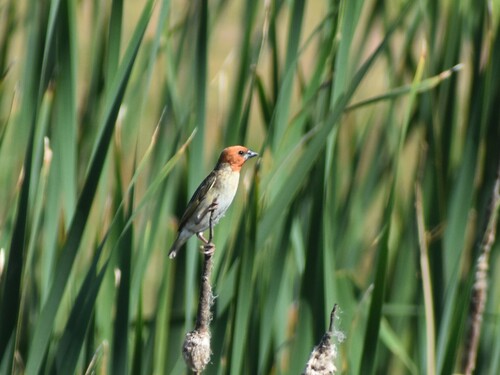 Quelea Cabecirrojo
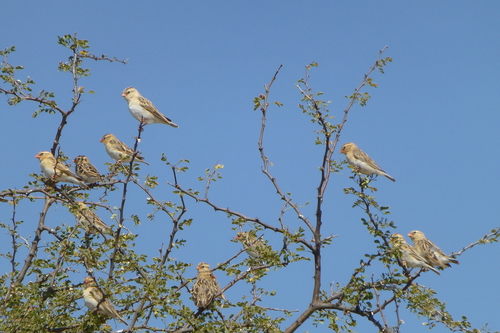 Quelea Común
En breve
La marca de campo más confiable entre la Quelea Cabecirrojo y la Quelea Común es el color y patrón de la cabeza en plumaje de cría: los machos de Quelea Cabecirrojo muestran una cara y cabeza rojas o rufo distintas, mientras que los machos de Quelea Común típicamente tienen una máscara facial negra rodeada de amarillo, óxido o rosa, o a veces una máscara blanca. Fuera de la temporada de cría, ambas especies se vuelven mucho más apagadas, pero el color del pico y el patrón facial siguen siendo útiles. Los juveniles y las aves no reproductivas son más desafiantes, ya que ambas son similares a los gorriones con picos cónicos, pero las diferencias sutiles en el color del pico y la cara pueden ayudar. La estructura y el tamaño son casi idénticos, así que concéntrate en los detalles de la cabeza y el pico, especialmente en los machos adultos durante la temporada de cría.
Consejos de identificación
- Color de cabeza del macho en cría: Los machos de Quelea Cabecirrojo tienen una cara y cabeza rojas o rufo brillantes; los machos de Quelea Común tienen una máscara facial negra (o raramente blanca) rodeada de amarillo, óxido, rosa o púrpura. Esta es la marca más confiable en el campo durante la temporada de cría.
- Color del pico en hembras y machos no reproductivos: En la Quelea Común, las hembras y los machos no reproductivos tienen un pico rosa o rojo apagado, pero las hembras muestran un pico amarillo o naranja y un anillo ocular durante la temporada de cría. La Quelea Cabecirrojo es menos variable pero generalmente mantiene un pico rojizo; busca cualquier indicio de rojo en la cara.
- Patrón facial en plumaje no reproductivo: La Quelea Común pierde la máscara y se vuelve de un gris marrón simple con una débil franja pálida sobre el ojo, barbilla y garganta blanquecinas. La Quelea Cabecirrojo está menos bien descrita pero debería retener algunos tonos rojizos en la cara, careciendo del supercilio pálido de la Quelea Común.
- Color del pico juvenil: Los juveniles de Quelea Común tienen un pico color cuerno con un matiz lavanda, volviéndose naranja-púrpura antes de su primera muda. Los juveniles de Quelea Cabecirrojo no están bien descritos, pero cualquier matiz rojizo temprano en la cara o el pico puede ser sugestivo.
- Partes superiores e inferiores: Ambas son de color marrón estriado arriba y pálidas abajo, pero los machos de Quelea Común en plumaje de cría pueden mostrar partes inferiores beige o blancas dependiendo de la subespecie, a veces con un lavado rosa. Estas diferencias son sutiles y no son confiables a distancia.
- Variación de subespecies: La Quelea Común muestra diferencias de subespecies en la extensión y color de la máscara y las partes inferiores, pero todas tienen la máscara (negra o blanca) como característica. La Quelea Cabecirrojo no muestra esta máscara.
- Forma y color del pico: Ambas tienen picos cónicos y pesados, generalmente de color rojo brillante en los machos en cría. El color del pico es menos útil fuera de la temporada de cría, pero puede apoyar otras marcas.
- Color de las patas: La Quelea Común tiene patas anaranjadas; la Quelea Cabecirrojo no está descrita en detalle pero es probable que sea similar.
- Anillo ocular: La Quelea Común tiene un anillo ocular rojo desnudo y estrecho y un iris marrón; los detalles oculares de la Quelea Cabecirrojo no están especificados.
- Composición de la bandada: Si ves ambas especies juntas, busca a los machos de cara roja entre los enmascarados; son posibles bandadas mixtas en rangos superpuestos.
- Hábitat y rango: Ambas ocurren en hábitats abiertos similares en gran parte de África subsahariana; no confíes en el hábitat para la separación.
- Vistas de vuelo: En vuelo, ambas aparecen como tejedores pequeños y marrones con poco que las separe; el color de la cabeza en los machos puede ser visible en buena luz.
- Trampas: Las aves no reproductivas y juveniles son las más difíciles de separar; concéntrate en las diferencias sutiles de color facial y del pico, y ten cuidado con la superposición con otros tejedores similares a los gorriones.
- Voz: No descrita en las fuentes; no la uses para la separación.
- Contexto estacional: Si conoces la temporada de cría, espera machos más brillantes y distintivos; fuera de este período, ten cuidado y confía en marcas sutiles.
Tamaño
Ambas especies son muy similares en tamaño y estructura. La Quelea Cabecirrojo promedia 19.4 g, mientras que la Quelea Común promedia 18.8 g [wikidata]. Ambas son tejedores pequeños, similares a los gorriones, con picos cónicos y pesados y proporciones generales similares. La longitud es de aproximadamente 12 cm para la Quelea Común; la Quelea Cabecirrojo es comparable. En el campo, el tamaño solo no es un separador confiable.
Plumaje
-
Juveniles e inmaduros: Ambas especies se asemejan a los gorriones, con cabezas grisáceas o marrones y picos cónicos. Los juveniles de Quelea Común tienen un pico color cuerno con un matiz lavanda, volviéndose naranja-púrpura antes de su primera muda completa. Después de la muda post-juvenil (2-3 meses de edad), los jóvenes de Quelea Común se parecen a los adultos no reproductivos: cabeza gris, mejillas blanquecinas y cobertores de alas y plumas de vuelo con bordes beige. No hay una descripción juvenil detallada para la Quelea Cabecirrojo, pero espera tonos similares a los de los gorriones; concéntrate en el color del pico si es visible.
-
Machos adultos en cría: Los machos de Quelea Cabecirrojo tienen una cara y cabeza rojas o rufo llamativas, que son diagnósticas. Los machos de Quelea Común generalmente tienen una máscara facial negra (frente, mejillas, loretes, parte superior de la garganta), a veces blanca, rodeada de amarillo, óxido, rosa o púrpura, con el resto de las partes inferiores en color beige o blanco dependiendo de la subespecie. El pico es rojo brillante en ambos, pero el patrón facial es clave.
-
Machos no reproductivos y hembras adultas: Ambas se vuelven mucho más apagadas. Los machos de Quelea Común pierden la máscara y se vuelven gris-marrón con estrías, una barbilla y garganta blanquecinas, y un débil supercilio pálido; el pico se vuelve rosa o rojo apagado. Las hembras se asemejan a los machos no reproductivos pero tienen un pico amarillo o naranja y un anillo ocular en la temporada de cría, rosa o rojo apagado de otro modo. Las hembras de Quelea Cabecirrojo y los machos no reproductivos están menos bien descritos pero carecen de la máscara negra y deberían retener algo de rojo o rufo en la cara, especialmente en comparación con la Quelea Común de cara simple.
Comportamiento
Ambas especies son gregarias, a menudo vistas en grandes bandadas, y tienen hábitos similares a los de los tejedores. Son activas, sociales y se alimentan de semillas en hábitats abiertos. El vuelo es rápido y directo, con bandadas girando al unísono. El comportamiento no es un separador confiable en el campo.
Hábitat
Ambas especies se superponen ampliamente en África subsahariana y se encuentran en pastizales abiertos, sabanas y áreas agrícolas. La Quelea Común es especialmente común en arbustos espinosos semiáridos y pastizales, evitando bosques densos. La Quelea Cabecirrojo comparte gran parte de este rango y hábitat, por lo que la ubicación y el hábitat por sí solos no son diagnósticos.