

Suimanga Bandeado vs Suimanga Variable
Cinnyris bifasciatus frente a Cinnyris venustus
Juega un quiz con Suimanga Bandeado y Suimanga Variable
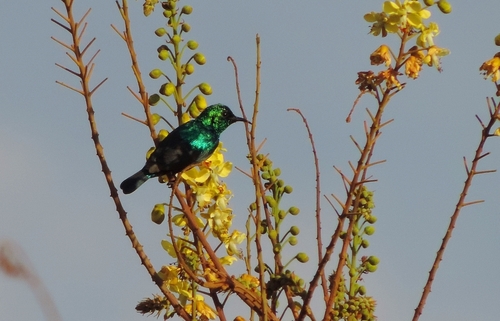 Suimanga Bandeado
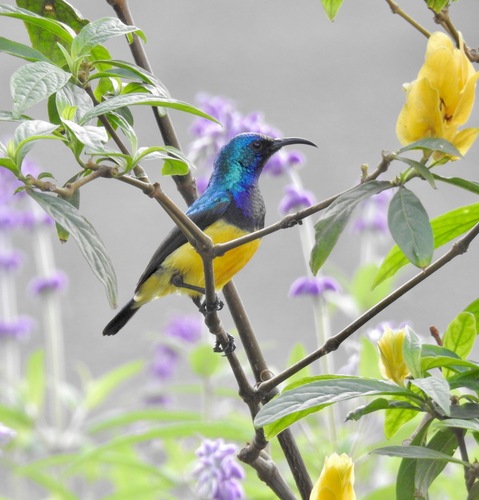 Suimanga Variable
En breve
La marca de campo más confiable para separar el Suimanga Bandeado del Suimanga Variable es la banda del pecho del macho: los machos de Suimanga Bandeado muestran una banda púrpura distinta a través de la parte superior del pecho, mientras que los machos de Suimanga Variable tienen una banda marrón y un vientre amarillo (a veces naranja o blanco). Las hembras son más complicadas, pero las hembras de Suimanga Variable tienen un supercilio pálido claro y partes inferiores amarillentas, mientras que las hembras de Suimanga Bandeado carecen del fuerte supercilio. Ambas especies son pequeños suimangas nectarívoros con una estructura y comportamiento de alimentación similares, por lo que prestar atención cuidadosa a los detalles del plumaje—especialmente el color y la colocación de las bandas del pecho y las partes inferiores—es esencial. Los machos inmaduros y en eclipse de Suimanga Variable se asemejan a las hembras, pero pueden mostrar algo de verde en la garganta, lo que puede ayudar en casos sutiles.
Consejos de identificación
- Color y colocación de la banda del pecho del macho: Busca una banda púrpura ancha a través de la parte superior del pecho en los machos de Suimanga Bandeado; los machos de Suimanga Variable tienen una banda marrón más estrecha y más baja en el pecho.
- Color del vientre del macho: Los machos de Suimanga Variable generalmente tienen un vientre amarillo brillante (a veces naranja o blanco en algunas subespecies), mientras que los machos de Suimanga Bandeado tienen un vientre más pálido y menos colorido debajo de la banda púrpura.
- Partes superiores del macho: Ambos tienen cabezas y gargantas verdes brillantes, pero el verde del Suimanga Variable es más extenso, cubriendo la nuca y a veces la parte superior del pecho por encima de la banda marrón.
- Supercilio de la hembra: Las hembras de Suimanga Variable muestran un fuerte supercilio pálido (ceja), que falta o es mucho menos distintivo en las hembras de Suimanga Bandeado.
- Partes inferiores de la hembra: Las hembras de Suimanga Variable son amarillentas por debajo; las hembras de Suimanga Bandeado son generalmente más apagadas y menos distintivamente amarillas.
- Machos en eclipse/inmaduros: Los machos en eclipse de Suimanga Variable se parecen a las hembras, pero pueden mostrar algo de verde en la garganta—presta atención a esta pista sutil en aves en transición.
- Forma y longitud del pico: Ambos tienen picos de longitud media y curvados hacia abajo, típicos de los suimangas; la forma del pico no es un separador.
- Estilo de vuelo: Ambas especies tienen un vuelo rápido y directo en alas cortas y a menudo se posan para alimentarse; el comportamiento de vuelo no es un separador.
- Pistas de hábitat: Es más probable que el Suimanga Variable se encuentre en áreas cultivadas y bosques abiertos, pero ambos pueden superponerse ampliamente en rango y hábitat.
- Vocalizaciones: Si escuchas un claro 'tew-tew-tew-tew-tew', es Suimanga Variable; el canto del Suimanga Bandeado no se describe aquí, así que úsalo con precaución.
- Plumaje juvenil/inmaduro: No se describen diferencias distintivas en las alas o patrones de vuelo para los inmaduros; confía en el color de las partes inferiores y el supercilio.
- Impresión general: Si ves un suimanga con un fuerte supercilio y vientre amarillo, es probable que sea Suimanga Variable; si la banda del pecho es ancha y púrpura, es Suimanga Bandeado.
- Variación de subespecies: Algunos machos de Suimanga Variable tienen vientres naranjas o blancos en lugar de amarillos—no confíes únicamente en el color del vientre en estas áreas, sino verifica el color de la banda del pecho y el supercilio de la hembra.
- Trampas: Los machos en eclipse e inmaduros de Suimanga Variable pueden parecerse mucho a las hembras; observa cualquier verde en la garganta para evitar confusiones.
- Cuando tengas dudas: Concéntrate en la combinación de color de la banda del pecho (púrpura vs marrón), color del vientre y la presencia o ausencia de un fuerte supercilio en las hembras.
Tamaño
Ambas especies son suimangas muy pequeñas y similares en tamaño, pero el Suimanga Variable está documentado en aproximadamente 5.6 gramos [wikidata]. No se proporciona una masa directa para el Suimanga Bandeado, pero no hay evidencia de una diferencia de tamaño significativa en el campo. Ambos tienen picos de longitud media, delgados y curvados hacia abajo, típicos de los suimangas, y las proporciones generales son similares.
Plumaje
- Machos adultos: Los machos de Suimanga Bandeado tienen una banda púrpura distinta a través de la parte superior del pecho, separando las partes superiores verdes metálicas del vientre más pálido. Los machos de Suimanga Variable tienen una cabeza, garganta y nuca verdes brillantes, una banda marrón en el pecho y un vientre amarillo (a veces naranja o blanco). La banda marrón de Suimanga Variable es generalmente más estrecha y baja que la amplia banda púrpura de Suimanga Bandeado.
- Hembras: Las hembras de Suimanga Variable son marrón grisáceo por encima con partes inferiores amarillentas y un supercilio pálido prominente. Las hembras de Suimanga Bandeado carecen del fuerte supercilio y son generalmente más apagadas por debajo.
- Machos en eclipse/inmaduros: Los machos en eclipse de Suimanga Variable se asemejan a las hembras, pero pueden mostrar algo de verde en la garganta. No hay información específica sobre los inmaduros de Suimanga Bandeado, pero se espera que se asemejen a las hembras.
- Patrón de alas y vuelo: No se describen marcas distintivas específicas de edad en las alas o el vuelo para ninguna de las especies, por lo que la separación en vuelo depende del plumaje del cuerpo y la cabeza.
Comportamiento
Ambas especies son activas, se mueven rápidamente y son alimentadoras de néctar que típicamente se posan para alimentarse, aunque pueden flotar brevemente como los colibríes. Su vuelo es rápido y directo, ayudado por alas cortas. Ambos también tomarán insectos, especialmente cuando alimentan a los jóvenes. El comportamiento no es un separador fuerte en el campo.
Hábitat
El Suimanga Bandeado es común en el sur y este de África, encontrado en una variedad de hábitats a través de Angola, Kenia, Sudáfrica y países vecinos. El Suimanga Variable es un criador residente común en África ecuatorial, favoreciendo bosques abiertos y áreas cultivadas. Hay una superposición considerable en rango y hábitat, por lo que el contexto por sí solo no es diagnóstico, pero el Suimanga Variable puede ser más probable en hábitats cultivados o de borde.
Voz
El Suimanga Variable emite un claro canto 'tew-tew-tew-tew-tew'. No hay una descripción vocal específica para el Suimanga Bandeado en las notas proporcionadas, por lo que la voz no es un separador confiable a menos que se escuche claramente el canto del Suimanga Variable.