

Archibebe Fino vs Archibebe Patigualdo Chico
Tringa stagnatilis frente a Tringa flavipes
Juega un quiz con Archibebe Fino y Archibebe Patigualdo Chico
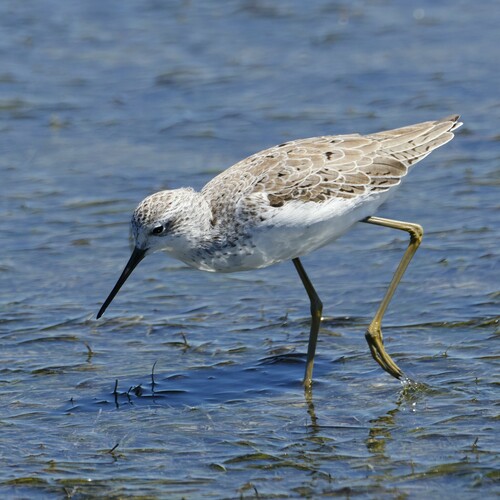 Archibebe Fino
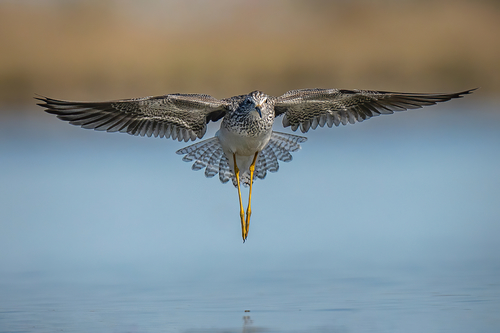 Archibebe Patigualdo Chico
En breve
La marca de campo más confiable para separar el Archibebe Fino del Archibebe Patigualdo Chico es la estructura del pico: el Archibebe Fino tiene un pico notablemente más largo, más fino y en forma de aguja, mientras que el Archibebe Patigualdo Chico muestra un pico recto, delgado, pero más corto, aproximadamente del largo de su cabeza. Ambos tienen patas largas de color amarillento, pero las del Archibebe Fino son aún más largas y a menudo parecen más delicadas. En vuelo, el Archibebe Fino muestra una cuña blanca en su espalda, una característica que puede ser útil a cualquier edad. Las diferencias en el plumaje son sutiles, especialmente en aves no reproductoras, pero el Archibebe Fino tiende a verse más pálido y más elegante en general. El tamaño no es un separador fuerte, ya que ambos son similares, pero el Archibebe Patigualdo Chico es ligeramente más pesado en promedio.
Consejos de identificación
- La estructura del pico es clave: el Archibebe Fino tiene un pico largo, fino y en forma de aguja que es notablemente más largo que la cabeza; el Archibebe Patigualdo Chico tiene un pico recto, delgado, pero más corto, aproximadamente igual a la longitud de la cabeza. Esto es confiable en todas las edades y estaciones.
- Longitud y color de las patas: ambas especies tienen patas amarillentas, pero las del Archibebe Fino son más largas y a menudo más pálidas o ligeramente verdosas. Las patas del Archibebe Patigualdo Chico son de un amarillo brillante y proporcionalmente más cortas.
- Cuña blanca en la espalda (en vuelo): el Archibebe Fino muestra una cuña blanca en la espalda en vuelo a todas las edades; el Archibebe Patigualdo Chico carece de esta característica. Busca esto cuando las aves se asusten o pasen volando.
- Forma general y apariencia: el Archibebe Fino parece más esbelto, elegante y erguido, con una construcción más fina y patas más largas. El Archibebe Patigualdo Chico es ligeramente más robusto y compacto.
- Marcas en el pecho y cuello (reproducción): el Archibebe Fino tiene pequeñas manchas marrones difusas en el pecho y el cuello; el Archibebe Patigualdo Chico muestra estrías marrones irregulares y más marcadas en estas áreas.
- Partes superiores (reproducción): el Archibebe Fino es de un marrón claro apagado por encima con moteado más oscuro; el Archibebe Patigualdo Chico es más moteado con marrón grisáceo, negro y blanco.
- Plumaje no reproductor: el Archibebe Fino se vuelve más pálido y más uniforme por encima; el Archibebe Patigualdo Chico es más uniforme marrón grisáceo pero retiene finas marcas en los flancos.
- Tamaño: ambos son similares en longitud, pero el Archibebe Patigualdo Chico es ligeramente más pesado y tiene alas más anchas. Esto es sutil y poco confiable en el campo.
- Comportamiento de forrajeo: el Archibebe Patigualdo Chico es muy activo, con un andar de pasos altos y cuello estirado; el Archibebe Fino es más elegante y deliberado.
- Postura: el Archibebe Fino a menudo se mantiene más erguido y parece tener patas más largas, especialmente cuando está alerta.
- Contexto de hábitat: si se encuentra en Eurasia, se espera el Archibebe Fino; en América del Norte, el Archibebe Patigualdo Chico es el predeterminado. Ambos pueden ocurrir como vagabundos, así que verifica todas las marcas de campo.
- No se notan diferencias fuertes en el panel superior del ala o en el borde trasero específicas de la edad, así que concéntrate en la estructura y el patrón de vuelo.
- La voz no es diagnóstica con la información dada; no confíes en los llamados para la separación.
- En bandadas mixtas: el Archibebe Fino puede destacar por su elegancia y patas más largas entre los archibebes.
- Trampas: en luz tenue o a distancia, ambos pueden parecer similares en tamaño y color. Siempre verifica la longitud del pico y el patrón de vuelo para confirmación.
Tamaño
Ambas especies son similares en tamaño, pero el Archibebe Patigualdo Chico es marginalmente más pesado (masa corporal media: Archibebe Fino ~71.5g, Archibebe Patigualdo Chico ~81g) y tiene una envergadura ligeramente más amplia (Archibebe Patigualdo Chico: 59–64 cm; Archibebe Fino: 55–59 cm). La longitud se superpone (Archibebe Fino: 22–26 cm; Archibebe Patigualdo Chico: 23–25 cm), por lo que el tamaño solo no es confiable en el campo. El Archibebe Fino puede parecer más esbelto y con un pico más fino, mientras que el Archibebe Patigualdo Chico es un poco más robusto y robusto en estructura.
Plumaje
Las aves juveniles y no reproductoras de ambas especies pueden ser confusas, pero el Archibebe Fino en todos los plumajes muestra una cuña blanca distintiva en la espalda en vuelo, que el Archibebe Patigualdo Chico carece. En plumaje de reproducción, el Archibebe Fino es marrón grisáceo por encima con pequeñas manchas marrones difusas en el pecho y el cuello, mientras que el Archibebe Patigualdo Chico tiene estrías más audaces e irregulares en el pecho y el cuello, con partes superiores moteadas de marrón grisáceo, negro y blanco. El Archibebe Fino no reproductor es más pálido y más uniforme por encima, mientras que el Archibebe Patigualdo Chico se vuelve más uniforme marrón grisáceo pero retiene algunas marcas finas en los flancos. Ambos tienen patas amarillas, pero las del Archibebe Fino son más largas y pueden parecer ligeramente más verdes o más pálidas. No se notan diferencias fuertes en el panel superior del ala o en el borde trasero específicas de la edad, pero la cuña blanca en la espalda es una característica consistente del Archibebe Fino.
Comportamiento
Ambas especies forrajean activamente en aguas poco profundas, pero el Archibebe Patigualdo Chico se describe como muy activo, moviéndose rápidamente con un andar de pasos altos y cuello estirado. El Archibebe Fino puede parecer más elegante y delicado en sus movimientos. Se sabe que el Archibebe Patigualdo Chico es agresivo en la defensa del nido, pero esto no es una marca de campo para la separación. En bandadas mixtas, el Archibebe Fino tiende a destacar por su postura más elegante y erguida y patas más largas.
Hábitat
El Archibebe Fino cría en estepas abiertas de hierba y humedales de taiga desde el este de Europa hasta el Lejano Oriente ruso, mientras que el Archibebe Patigualdo Chico cría en bosques boreales de América del Norte y inverna tan al sur como América del Sur. En regiones donde ambas especies pueden ocurrir como vagabundos, es posible la superposición de hábitat en humedales poco profundos, pero el Archibebe Fino es más probable que se encuentre en humedales abiertos, herbáceos o similares a estepas, mientras que el Archibebe Patigualdo Chico prefiere bordes de humedales boscosos o arbustivos. Sin embargo, durante la migración y el invierno, ambos pueden encontrarse en hábitats similares de agua dulce o salobre poco profundos.
Voz
No hay comparación directa de llamados disponible en las notas proporcionadas. Se señala que el Archibebe Patigualdo Chico tiene un llamado más suave que el Archibebe Patigualdo Grande, pero esto no es directamente útil para separarlo del Archibebe Fino. La voz no es un separador confiable con la información dada.
Archibebe Fino · Archibebe Patigualdo Chico · Mis aves difíciles