

Correlimos Menudo vs Correlimos Menudillo
Calidris minuta frente a Calidris minutilla
Juega un quiz con Correlimos Menudo y Correlimos Menudillo
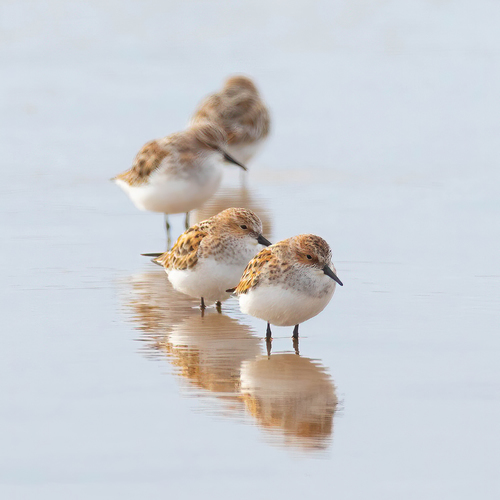 Correlimos Menudo
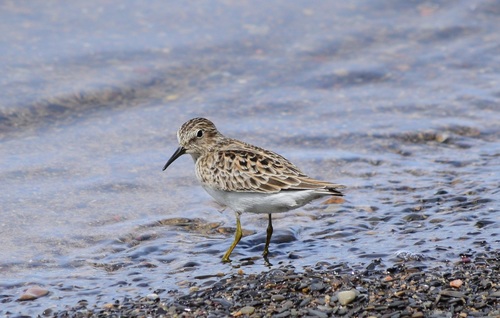 Correlimos Menudillo
En breve
La marca de campo más confiable entre Correlimos Menudo y Correlimos Menudillo es el color de las patas: Correlimos Menudo siempre muestra patas negras, mientras que Correlimos Menudillo tiene patas amarillo-verdosas, visibles incluso a distancia o en vuelo. Los plumajes juveniles difieren: los juveniles de Correlimos Menudo tienen franjas de corona pálidas y un pecho rosado, mientras que los juveniles de Correlimos Menudillo son más rufo por encima con franjas de manto blancas. La estructura del pico y la proyección primaria también ayudan: Correlimos Menudo tiene un pico más fino y una proyección primaria más larga. Ambos son aves playeras pequeñas y activas, pero una atención cuidadosa a las patas, el pico y el patrón de la parte superior juvenil los separará en la mayoría de las condiciones de campo.
Consejos de identificación
- Color de las patas: Correlimos Menudo siempre tiene patas negras; Correlimos Menudillo tiene patas amarillo-verdosas. Esta es la marca de campo más consistente y visible en todas las edades y estaciones. Incluso en poca luz, verifica cualquier indicio de amarillo o verde en las patas para Correlimos Menudillo.
- Estructura del pico: El pico de Correlimos Menudo es fino y recto, dando un aspecto delicado. El pico de Correlimos Menudillo es corto, delgado y ligeramente curvado. La forma del pico se juzga mejor a corta distancia o en fotos.
- Proyección primaria: Correlimos Menudo muestra una proyección primaria más larga más allá de los terciarios, dando un extremo trasero más atenuado. La proyección de Correlimos Menudillo es más corta, haciéndolo parecer más compacto y con cuello corto.
- Partes superiores juveniles: El juvenil de Correlimos Menudo tiene franjas de corona pálidas y un pecho rosado, con un aspecto limpio y escamoso. El juvenil de Correlimos Menudillo es más brillante y rufo por encima con franjas de manto blancas audaces, a menudo apareciendo más patrón y tonos cálidos.
- Pecho y garganta: El Correlimos Menudo en cría muestra un lavado naranja en el pecho y una garganta blanca; el Correlimos Menudillo tiene estrías marrones por encima con un vientre blanco y carece del lavado naranja.
- Supercilio y corona: El Correlimos Menudillo (todas las edades) muestra una línea pálida distinta sobre el ojo y una corona oscura, especialmente en juveniles y adultos en cría. La corona de Correlimos Menudo es menos contrastante, especialmente en plumaje no reproductivo.
- Patrón de la espalda: El Correlimos Menudo en cría muestra una fuerte 'V' blanca en la espalda, visible en plumaje fresco. El Correlimos Menudillo carece de esta marca.
- Longitud de las patas y jizz: Correlimos Menudo a menudo parece tener patas más largas y más atenuadas, especialmente cuando se alimenta rápidamente. Correlimos Menudillo es más compacto y agazapado.
- Movimiento: Correlimos Menudo es conocido por movimientos especialmente rápidos y rápidos; Correlimos Menudillo es activo pero puede parecer más metódico.
- Plumaje de invierno: Ambos se vuelven más grises por encima, pero el color de las patas y la estructura del pico siguen siendo confiables. Las marcas juveniles se desvanecen, así que enfócate en la estructura y las patas.
- Vistas de vuelo: No se nota ningún patrón distintivo en la parte superior del ala o en la cola para ninguna de las especies en las fuentes, así que confía en la estructura y el color de las patas si son visibles.
- Voz: Correlimos Menudo emite un agudo llamado 'stit'; el llamado de Correlimos Menudillo no se describe aquí, así que no confíes en la vocalización para la separación.
- Rango y contexto: En Europa, se espera el Correlimos Menudo; el Correlimos Menudillo es un vagabundo raro. En América del Norte, el Correlimos Menudillo es común, el Correlimos Menudo es un vagabundo. Siempre considera la probabilidad de ocurrencia.
- Trampas: El barro o la iluminación pueden oscurecer el color de las patas, y algunos Correlimos Menudillo pueden mostrar patas más apagadas, pero nunca verdaderamente negras. Las franjas de corona pálidas del juvenil de Correlimos Menudo pueden ser sutiles; verifica el pecho rosado y el aspecto general más limpio.
- Composición de bandada: Correlimos Menudo a menudo se une a grandes bandadas mixtas con Correlimos Común y otros correlimos, especialmente en Eurasia. Correlimos Menudillo puede encontrarse en grupos más pequeños o con otros 'peeps' en las Américas.
Tamaño
Ambas especies están entre las aves playeras más pequeñas, con Correlimos Menudo promediando alrededor de 25.5g en masa corporal [wikidata], y Correlimos Menudillo variando de 19 a 30g [wikipedia]. En la práctica, la diferencia de tamaño es sutil y poco confiable en el campo, especialmente cuando no se ven uno al lado del otro. Ambos son notablemente más pequeños que la mayoría de los otros limícolas, pero el tamaño por sí solo no separará de manera confiable a estos dos.
Plumaje
Los juveniles de Correlimos Menudo muestran franjas de corona pálidas y un pecho rosado, con un aspecto generalmente más limpio y delicado por encima. Los juveniles de Correlimos Menudillo son más brillantes y rufo por encima, con franjas de manto blancas prominentes. Los adultos en cría de Correlimos Menudo tienen un lavado naranja en el pecho, una garganta blanca y una fuerte 'V' blanca en la espalda, mientras que los Correlimos Menudillo en plumaje de cría son marrones por encima con estrías oscuras, un supercilio claro y una corona oscura. En invierno, ambas especies se vuelven más grises por encima, pero el Correlimos Menudillo retiene patas amarillo-verdosas y un pico corto y delgado, mientras que el Correlimos Menudo mantiene sus patas negras y pico fino. En todos los plumajes, el color de las patas es una distinción clave.
Comportamiento
Ambas especies son alimentadoras activas, picoteando en los lodos por pequeños invertebrados. Correlimos Menudo es conocido por movimientos especialmente rápidos. Ambos pueden encontrarse en bandadas mixtas con otros limícolas pequeños, pero Correlimos Menudo es más probable que se vea en grandes bandadas densas en su rango invernal. El comportamiento por sí solo no es un separador fuerte, pero el Correlimos Menudo puede parecer ligeramente más frenético.
Hábitat
Correlimos Menudo cría en Europa y Asia ártica y inverna en África y el sur de Asia, mientras que Correlimos Menudillo cría en el norte de América del Norte e inverna en el sur de EE. UU., América Central y América del Sur. En el Paleártico Occidental, el Correlimos Menudillo es un vagabundo raro, mientras que el Correlimos Menudo es regular. Ambos utilizan los bordes fangosos de los estanques y los lodos costeros durante la migración y el invierno. El hábitat solo es diagnóstico en el contexto de un rango conocido y vagancia.
Voz
Correlimos Menudo emite un agudo llamado 'stit'. No se nota ninguna vocalización distintiva para el Correlimos Menudillo en las fuentes proporcionadas, y la voz no es un separador primario en el campo entre estos dos.
Correlimos Menudo · Correlimos Menudillo · Mis aves difíciles