

Cernícalo Primilla vs Cernícalo Patirrojo
Falco naumanni frente a Falco vespertinus
Juega un quiz con Cernícalo Primilla y Cernícalo Patirrojo
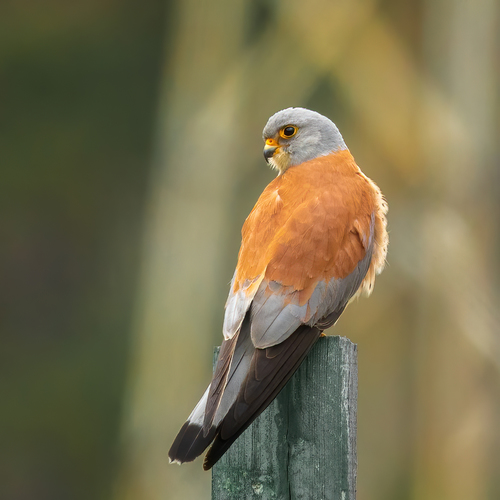 Cernícalo Primilla
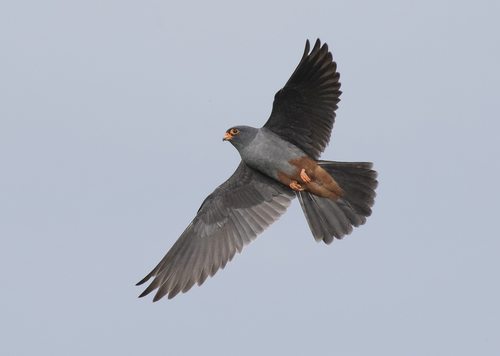 Cernícalo Patirrojo
En breve
La marca de campo más confiable entre el Cernícalo Primilla y el Cernícalo Patirrojo es la coloración del macho adulto: los machos de Cernícalo Patirrojo son completamente azul-grisáceos con patas y cola inferior rojas, mientras que los machos de Cernícalo Primilla tienen una cabeza y cola grises pero un dorso marrón y carecen de tonos rojos. Los plumajes juveniles y femeninos son más similares y pueden ser confusos, pero las diferencias sutiles en el patrón facial, la coloración de las alas y la estructura ayudan a separarlos. Ambas especies son similares en tamaño y a menudo se superponen en rango y hábitat, pero su estilo de vuelo y llamadas difieren. Prestar atención cuidadosa a la edad, sexo y especialmente al patrón facial y la coloración de las alas inferiores es crucial para una identificación confiable.
Consejos de identificación
- Coloración del macho adulto: El macho de Cernícalo Patirrojo es completamente azul-grisáceo con cola inferior y patas rojas; el macho de Cernícalo Primilla tiene una cabeza y cola grises pero un dorso marrón y carece de tonos rojos. Esta es la separación más sencilla en machos adultos.
- Patrón facial de hembras y juveniles: Las hembras y juveniles de Cernícalo Patirrojo tienen un rostro blanco con una fuerte franja ocular negra y bigotes, dando una apariencia enmascarada. Las hembras y jóvenes de Cernícalo Primilla son más pálidos, con menos contraste y carecen de las marcaciones faciales audaces.
- Coloración de las alas inferiores (adultos): Los machos adultos de Cernícalo Patirrojo tienen alas inferiores uniformemente grises; los machos de Cernícalo Primilla tienen manchas grises pero no la uniformidad o extensión de azul-grisáceo.
- Color del dorso (adultos): Los machos de Cernícalo Primilla tienen un dorso marrón, mientras que los machos de Cernícalo Patirrojo son azul-grisáceos por encima. Las hembras de ambas especies tienen el dorso gris, pero las hembras de Cernícalo Patirrojo tienen cabezas y partes inferiores naranjas.
- Color de patas y garras: El Cernícalo Patirrojo tiene patas rojas (todas las edades), mientras que el Cernícalo Primilla tiene garras pálidas, de color blanco-hueso (inusual para los halcones), pero esto solo es visible a corta distancia.
- Franja malar: Los machos de Cernícalo Primilla carecen de la franja malar negra; las hembras y juveniles de Cernícalo Patirrojo tienen una franja bigotera negra.
- Tono general: Las hembras y juveniles de Cernícalo Primilla son más pálidos y menos contrastantes que los equivalentes de Cernícalo Patirrojo, que muestran más naranja y un contraste facial más fuerte.
- Proporciones de alas y cola: El Cernícalo Primilla tiene alas y cola proporcionalmente más cortas en comparación con el Cernícalo Patirrojo, que parece tener alas más largas y un vuelo más parecido al de un halcón.
- Estilo de vuelo: El Cernícalo Patirrojo a menudo parece más ágil y ligero en vuelo, mientras que el Cernícalo Primilla es más delicado y aleteante.
- Vocalizaciones: Escuche el duro 'chay-chay-chay' del Cernícalo Primilla; el Cernícalo Patirrojo no emite esta llamada.
- Contexto de hábitat: Si está en el Mediterráneo o Asia Central, es más probable que sea un Cernícalo Primilla; en Europa del Este y la Cuenca de los Cárpatos, ambos son posibles, pero el Cernícalo Patirrojo es más localizado.
- Contexto estacional: Ambos son migrantes de verano y pueden verse juntos en rangos superpuestos. En invierno, el Cernícalo Primilla migra a África y Pakistán, mientras que los lugares de invernada del Cernícalo Patirrojo no se detallan aquí.
- Comportamiento colonial: Ambos pueden anidar colonialmente, pero los masivos dormideros comunales (miles de aves) son más típicos del Cernícalo Primilla en invierno.
- Detalles del pico y garras: No suelen ser visibles en el campo, pero las garras pálidas del Cernícalo Primilla son únicas entre los halcones.
- Cuando haya dudas: Concéntrese en el patrón facial (especialmente en hembras y juveniles), la coloración general y la llamada, ya que estos son los marcadores de campo más confiables cuando el plumaje es ambiguo.
Tamaño
Ambas especies son casi idénticas en tamaño y masa, con el Cernícalo Primilla promediando 159 g y el Cernícalo Patirrojo 158.5 g [wikidata]. La longitud y la envergadura se superponen completamente (27–33 cm y 63–72 cm para el Cernícalo Primilla; 28–34 cm y 65–75 cm para el Cernícalo Patirrojo) [wikipedia]. En el campo, ninguna de las especies parece notablemente más grande o robusta que la otra, por lo que el tamaño no es un separador confiable.
Plumaje
- Aves juveniles/inmaduras: Los jóvenes de ambas especies son marrones por encima y de color crema por debajo con estrías, pero los juveniles de Cernícalo Patirrojo muestran un patrón facial similar al de la hembra (cara blanca con franja ocular negra y bigotes), mientras que los juveniles de Cernícalo Primilla son más pálidos en general y carecen de marcaciones faciales fuertes. El patrón de las alas inferiores no se describe en detalle para los juveniles de ninguna de las especies, por lo que la separación depende del rostro y el tono general.
- Machos adultos: Los machos de Cernícalo Patirrojo son completamente azul-grisáceos excepto por una cola inferior y patas rojas, y sus alas inferiores son uniformemente grises. Los machos de Cernícalo Primilla tienen una cabeza y cola grises, un dorso marrón, partes inferiores gris barradas y carecen de la franja malar negra; también tienen manchas grises en las alas pero no la uniformidad azul-grisácea del Cernícalo Patirrojo. Los machos de Cernícalo Primilla carecen completamente de tonos rojos.
- Hembras adultas: Las hembras de Cernícalo Patirrojo tienen un dorso y alas grises, cabeza y partes inferiores naranjas, y una cara blanca con franja ocular negra y bigotes. Las hembras de Cernícalo Primilla son más pálidas en general, con menos contraste y menos marcaciones faciales distintivas. Ambas pueden parecer similares a distancia, pero el patrón facial y los tonos naranjas del Cernícalo Patirrojo son distintivos.
- Color de patas y garras: El Cernícalo Patirrojo tiene patas rojas; el Cernícalo Primilla tiene garras de color blanco-hueso (inusual para los halcones), pero esto solo es visible a corta distancia.
Comportamiento
Ambas especies cazan desde posaderos o mediante el vuelo en suspensión y a menudo capturan presas en el suelo. Los Cernícalos Primilla son más estrictamente insectívoros, especialmente en invierno, y a menudo se ven en grandes dormideros comunales. Los Cernícalos Patirrojo también pueden cazar en grupos, pero son menos propensos a formar tales dormideros masivos. Ambos anidan colonialmente, utilizando a menudo edificios o agujeros en árboles, y ninguno construye una estructura de nido. En vuelo, el Cernícalo Primilla puede parecer ligeramente más delicado y con alas y cola más cortas, mientras que el Cernícalo Patirrojo se describe como de alas largas y puede mostrar un vuelo más ligero y parecido al de un halcón.
Hábitat
Ambas especies crían en campos abiertos, estepas y paisajes agrícolas, a menudo superponiéndose en rango a través del sur y este de Europa y Asia Central. El Cernícalo Primilla es más común en el Mediterráneo y Asia Central, mientras que el Cernícalo Patirrojo está concentrado en Europa del Este y la Cuenca de los Cárpatos, con poblaciones más pequeñas en otros lugares. Ambas utilizan sitios de anidación artificiales y a veces se encuentran cerca de asentamientos humanos. El Cernícalo Patirrojo prefiere áreas con más praderas naturales, mientras que el Cernícalo Primilla es más flexible pero también se ve afectado por cambios en el hábitat.
Voz
El Cernícalo Primilla emite un duro llamado 'chay-chay-chay', que es diagnóstico y bastante diferente de las llamadas del Cernícalo Patirrojo. La llamada típica del Cernícalo Patirrojo no se describe en detalle aquí, pero no es la misma que la del Cernícalo Primilla. Si escucha el 'chay-chay-chay', es probable que esté escuchando un Cernícalo Primilla.
Cernícalo Primilla · Cernícalo Patirrojo · Mis aves difíciles