

Paloma Montaraz Frentiblanca vs Vencejillo Tijereta
Leptotila rufaxilla frente a Tachornis squamata
Juega un quiz con Paloma Montaraz Frentiblanca y Vencejillo Tijereta
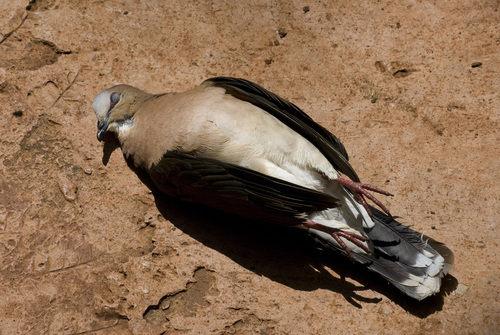 Paloma Montaraz Frentiblanca
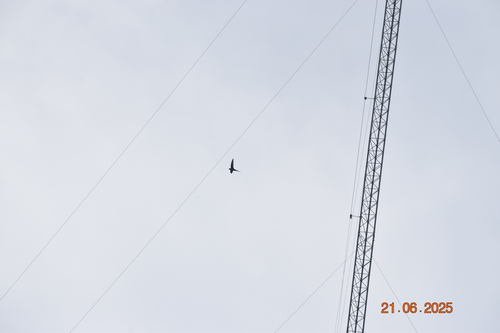 Vencejillo Tijereta
En breve
La marca de campo más confiable es la estructura general y el estilo de vuelo: Vencejillo Tijereta es un pájaro diminuto, esbelto y de vuelo rápido con una cola profundamente bifurcada y alas largas y estrechas, mientras que Paloma Montaraz Frentiblanca es un paloma mucho más grande, de cuerpo pesado y que habita en el suelo, con alas anchas y una cola redondeada. El plumaje juvenil no es probable que cause confusión, ya que los jóvenes de ambas especies se parecen a sus respectivos adultos y no comparten patrones distintivos en las alas superiores. En vuelo, las alas en forma de guadaña del vencejillo y su cola bifurcada son inconfundibles, mientras que la paloma muestra alas anchas y redondeadas y una cola con punta cuadrada y esquinas blancas. Posada, la paloma es robusta con un pico similar al de una paloma y patas rojas, mientras que el vencejillo rara vez se ve posado y parecería diminuto y delicado si lo estuviera. El hábitat y el comportamiento también son pistas fuertes: las palomas caminan por el suelo o en perchas bajas, los vencejillos casi siempre se ven en vuelo.
Consejos de identificación
- El tamaño es una pista importante: Si el pájaro es del tamaño de una paloma o más grande, es una Paloma Montaraz Frentiblanca; si es diminuto y similar a una golondrina, es un Vencejillo Tijereta.
- Forma de la cola: Vencejillo Tijereta tiene una cola larga y profundamente bifurcada visible incluso a distancia, especialmente en vuelo. La cola de la Paloma Montaraz Frentiblanca es ancha, con punta cuadrada y esquinas blancas en las plumas exteriores.
- Estilo de vuelo: Los vencejillos casi siempre se ven volando rápidamente con alas rígidas en forma de guadaña y movimientos erráticos y acrobáticos. Las palomas vuelan con batidos de alas fuertes y directos, pero no son ágiles ni erráticas; a menudo se levantan del suelo.
- Postura posada: Las palomas se posan erguidas en el suelo o en ramas bajas, mostrando un cuerpo robusto y redondo y un cuello corto. Los vencejillos rara vez se posan, pero si se ven, se aferran verticalmente a las hojas de palma o a los cables, pareciendo esbeltos y con el pecho plano.
- Forma del pico: La Paloma Montaraz Frentiblanca tiene un pico corto, grueso y similar al de una paloma; el Vencejillo Tijereta tiene un pico diminuto, casi invisible, adecuado para atrapar insectos.
- Color de las patas: La Paloma Montaraz Frentiblanca tiene patas y pies rojos, que son visibles cuando está posada o caminando. Las patas de los vencejillos son tan cortas que casi nunca se ven; no caminan por el suelo.
- Patrón facial: Las palomas tienen una frente grisácea a azulada, piel roja desnuda alrededor del ojo, y una garganta blanquecina rosada. Los vencejillos tienen una cara marrón grisácea simple con una garganta pálida y moteada, careciendo de piel desnuda o fuertes contrastes de color.
- Partes superiores: La paloma es marrón oliváceo con un ligero bronce o púrpura en el manto; el vencejillo es marrón negruzco con un brillo verdoso y bordes de plumas gris pálido.
- Partes inferiores: La paloma tiene un pecho grisáceo rosado que se desvanece en un vientre blanco; el vencejillo es pálido por debajo con moteado marrón, especialmente en los lados y la parte inferior de la cola.
- Confusión juvenil: Las palomas juveniles tienen barras oxidadas en el pecho y partes superiores con bordes oxidados; los vencejillos juveniles tienen bordes de plumas color crema pero sin barras. Estas marcas no son propensas a superponerse en el campo.
- Contexto de hábitat: Las palomas se encuentran en el suelo o bajas en bosques densos; los vencejillos se ven volando alto sobre áreas abiertas con palmas, rara vez cerca del suelo.
- Comportamiento social: Los vencejillos a menudo vuelan en pequeños grupos; las palomas suelen ser solitarias o en parejas.
- Voz: No es diagnóstica con notas actuales, pero las palomas a menudo emiten suaves arrullos, mientras que los vencejillos emiten llamados rápidos y altos (no descritos en detalle aquí).
- Diferencias sexuales: Las hembras de la paloma son más marrones y oliváceas que los machos, pero aún son mucho más grandes y de forma diferente que cualquier vencejillo. Los vencejillos no muestran dimorfismo sexual.
- Si tienes dudas, observa el aterrizaje: Un pájaro que aterriza en el suelo es una paloma; un pájaro que nunca aterriza excepto brevemente en hojas de palma o cables es un vencejillo.
Tamaño
La Paloma Montaraz Frentiblanca es significativamente más grande: aproximadamente 28 cm (11 in) de largo y pesa entre 115 y 183 g [wikipedia]. El Vencejillo Tijereta es mucho más pequeño, solo aproximadamente 13 cm (5.1 in) de largo y 9–13.6 g [wikipedia]. La paloma es más del doble de larga y casi diez veces más pesada que el vencejillo. Esta diferencia de tamaño es obvia incluso a distancia.
Plumaje
- Juveniles: Los juveniles de la Paloma Montaraz Frentiblanca tienen barras oxidadas y marrón apagado en el pecho y partes superiores con bordes oxidados; los juveniles del Vencejillo Tijereta son similares a los adultos pero con un tinte crema en la cabeza y bordes de plumas color crema en las partes superiores. Ninguno tiene un patrón de alas distintivo en vuelo que podría causar confusión entre los dos.
- Adultos: La Paloma Montaraz Frentiblanca muestra una frente grisácea a azulada, corona gris azulada, partes superiores marrón oliváceo con un ligero bronce o púrpura en el manto, y una cola con plumas centrales marrón oliváceo y plumas exteriores negruzcas con puntas blancas obvias. El pecho es grisáceo rosado, el vientre blanco y el ojo está rodeado de piel roja desnuda. Los adultos del Vencejillo Tijereta son marrón negruzco por encima con un brillo verdoso, bordes de plumas gris pálido y una rabadilla ligeramente más pálida. Las partes inferiores son pálidas con moteado marrón claro, la garganta es muy pálida, marrón blanquecino con moteado oscuro, y las coberturas de la parte inferior de la cola son marrón negruzco con bordes pálidos. La cola del vencejillo es profundamente bifurcada y oscura, careciendo de las esquinas blancas de la paloma.
Comportamiento
La Paloma Montaraz Frentiblanca es terrestre o de posado bajo, caminando por el suelo o en ramas bajas, moviéndose lentamente y deliberadamente. El Vencejillo Tijereta se ve casi siempre en vuelo rápido y ágil, rara vez posándose excepto brevemente en hojas de palma o cables. El vencejillo busca insectos en vuelo, a menudo en pequeños grupos, mientras que la paloma busca semillas y frutas en el suelo. El vuelo de la paloma es directo y fuerte pero no acrobático, mientras que el vencejillo es altamente maniobrable y rápido.
Hábitat
La Paloma Montaraz Frentiblanca se encuentra en bosques y matorrales, a menudo en el suelo o en densa maleza, y generalmente es tímida e inconspicua. El Vencejillo Tijereta está estrechamente relacionado con áreas abiertas con palmeras, incluyendo sabanas, pantanos de palmas, bosques ribereños e incluso áreas urbanas con palmas decorativas. El vencejillo generalmente se ve volando alto sobre o alrededor de las palmas, rara vez si acaso en el suelo.
Paloma Montaraz Frentiblanca · Vencejillo Tijereta · Mis aves difíciles