

Pibí Tengofrío vs Pibí Oriental
Contopus pertinax frente a Contopus virens
Juega un quiz con Pibí Tengofrío y Pibí Oriental
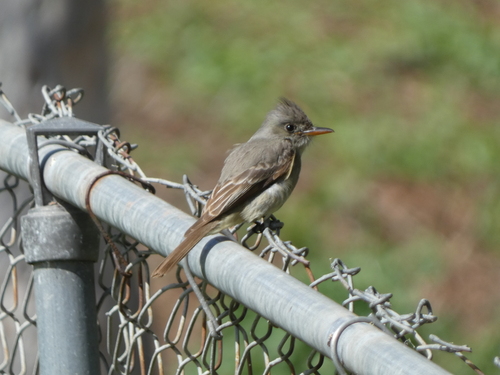 Pibí Tengofrío
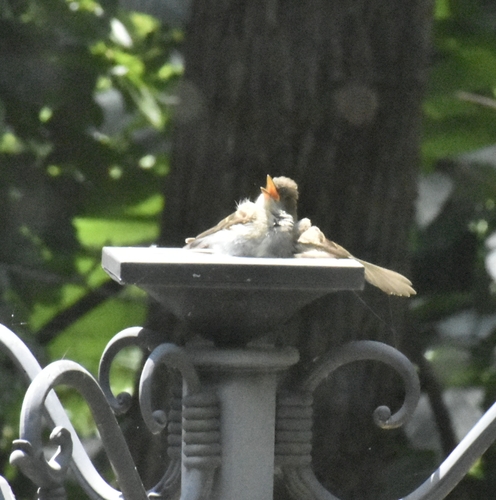 Pibí Oriental
En breve
El Pibí Tengofrío y el Pibí Oriental son ambos atrapamoscas del género Contopus, pero el Pibí Tengofrío es notablemente más grande y robusto, con una cresta puntiaguda y un pico más robusto y largo. Ambos muestran dos barras alares pálidas y tonos similares de oliva-gris, pero la cara del Pibí Tengofrío es más simple y ligeramente más pálida, y su mandíbula inferior es más distintivamente naranja. En el campo, la estructura y el tamaño son las pistas más confiables: el Pibí Tengofrío parece más largo, pesado y erguido, mientras que el Pibí Oriental es más pequeño, esbelto y delicado. Las vocalizaciones son completamente diferentes y diagnósticas cuando se escuchan.
Consejos de identificación
- Tamaño y robustez: El Pibí Tengofrío es mucho más grande y pesado que el Pibí Oriental; utilice esto cuando se vea bien o con referencia a aves cercanas. Funciona para todas las edades y estaciones.
- Color y forma del pico: El Pibí Tengofrío tiene un pico más largo y robusto con una mandíbula inferior más naranja o amarillenta, a menudo obvio incluso a distancia. El pico del Pibí Oriental es más corto y la mandíbula inferior es amarillenta pero menos brillante.
- Cresta: El Pibí Tengofrío muestra una cresta puntiaguda, especialmente cuando está alerta o agitado; la corona del Pibí Oriental es lisa y redondeada. Esto es sutil pero confiable en buenas vistas.
- Patrón facial: La cara del Pibí Tengofrío es ligeramente más pálida que la corona y la espalda, con lóbulos pálidos; la cara del Pibí Oriental no es notablemente más pálida que el resto de la cabeza. Funciona mejor con luz brillante.
- Barras alares: Ambas especies tienen dos barras alares pálidas, pero son tenues y a veces difíciles de ver en el Pibí Tengofrío, mientras que son más distintas en el Pibí Oriental. No siempre son confiables, especialmente en plumaje desgastado.
- Partes inferiores: El Pibí Tengofrío muestra un mentón blanquecino apagado, lados y garganta oliva-gris, y un vientre y subcola color canela. El Pibí Oriental es más claro por debajo, con un lavado oliva en el pecho pero no tan canela en el vientre.
- Proyección primaria: El Pibí Oriental tiene una larga proyección primaria, dando a la punta del ala un aspecto delgado y puntiagudo. Las alas del Pibí Tengofrío son proporcionalmente más cortas y menos puntiagudas. Sutil pero útil en aves posadas.
- Postura y apariencia: El Pibí Tengofrío se posa más erguido y parece más robusto; el Pibí Oriental es más esbelto y menos erguido. Útil al comparar múltiples aves.
- Cola: La cola del Pibí Tengofrío es más larga y de un marrón grisáceo; la cola del Pibí Oriental es más corta y menos prominente.
- Voz: Si se escucha, la canción es instantáneamente diagnóstica: la frase silbada del Pibí Tengofrío ("José María") vs. el "pee-a'wee" del Pibí Oriental. Los llamados también son diferentes.
- Distribución y hábitat: El Pibí Tengofrío se encuentra en bosques de pino y roble y en bosques de alta montaña del suroeste y hacia el sur; el Pibí Oriental se encuentra en bosques deciduos/mixtos del este. Usar con precaución durante la migración o en los bordes de su distribución.
- Sexo y edad: Ambas especies son sexualmente monomórficas; las diferencias de edad no están marcadas en el plumaje, por lo que las pistas estructurales y vocales son más confiables.
- Comparación con especies similares: Si ve un anillo ocular audaz, no es ninguna de estas especies (probablemente un Empidonax). Si el ave mueve su cola, considere el Mosquero Fibí en su lugar.
- Temporización estacional: En el este, el Pibí Oriental llega más tarde en primavera (finales de abril-mayo) que el Mosquero Fibí, pero esto no lo separa del Pibí Tengofrío.
- Plumaje desgastado: Ambas especies pueden parecer más apagadas y menos contrastantes después de la cría, pero las diferencias estructurales y de tamaño siguen siendo confiables.
Tamaño
El Pibí Tengofrío es sustancialmente más grande y pesado (masa corporal ~27.2 g [wikidata], longitud 18–20 cm) que el Pibí Oriental (longitud 13.5–15 cm, masa ~14 g [wikipedia]). Esta diferencia de tamaño es a menudo obvia en comparación directa o con experiencia. El Pibí Tengofrío parece más robusto y largo, con una cola y un pico proporcionalmente más largos.
Plumaje
- Patrón de ala superior juvenil/inmaduro: No se describen marcas distintivas de ala superior juvenil o inmaduro para ninguna de las especies; ambas muestran dos barras alares pálidas en todas las edades, aunque estas son tenues en el Pibí Tengofrío y más distintas en el Pibí Oriental.
- Adultos: El Pibí Tengofrío es de un oliva-gris uniforme por encima con una cara ligeramente más pálida y lóbulos pálidos, dos barras alares tenues y bordes pálidos en las secundarias. Su mentón es blanquecino apagado, con garganta y lados oliva-gris, y vientre y subcola color canela. El Pibí Oriental es de un gris-oliva por encima, con partes inferiores claras lavadas de oliva en el pecho, y dos barras alares pálidas. Ambos tienen una mandíbula superior oscura y una mandíbula inferior amarillenta, pero la del Pibí Tengofrío es más naranja y obvia. Ninguna de las especies muestra un anillo ocular fuerte. Ambos sexos se parecen en ambas especies.
Comportamiento
El Pibí Tengofrío a menudo se posa erguido y alto en el dosel, mostrando una postura más robusta y alerta y a veces levantando su cresta puntiaguda. El Pibí Oriental también se posa a la vista pero parece más delicado y esbelto, con una postura menos erguida. Ambas salen a cazar insectos, pero los movimientos del Pibí Tengofrío son más lentos y deliberados, coincidiendo con su mayor tamaño.
Hábitat
El Pibí Tengofrío se encuentra desde Arizona y Nuevo México hacia el sur hasta Nicaragua, favoreciendo los bosques de pino y roble y los bosques de mayor elevación. El Pibí Oriental cría en bosques deciduos y mixtos o plantaciones de pino en toda América del Norte oriental. Sus rangos se superponen mínimamente en el suroeste de EE. UU.; el contexto puede ayudar, pero no siempre es diagnóstico.
Voz
Las vocalizaciones son altamente diagnósticas. El Pibí Tengofrío emite una frase silbada distintiva "José María" o similar, muy diferente del "pee-a'wee" o "pe-wee" melancólico del Pibí Oriental. Si se escucha, la canción por sí sola los separa instantáneamente.