

Colibrí Insigne vs Colibrí de Sibila
Panterpe insignis frente a Lampornis sybillae
Juega un quiz con Colibrí Insigne y Colibrí de Sibila
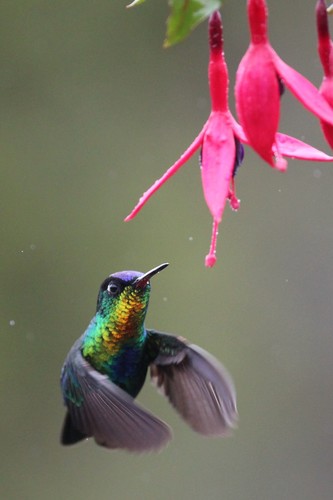 Colibrí Insigne
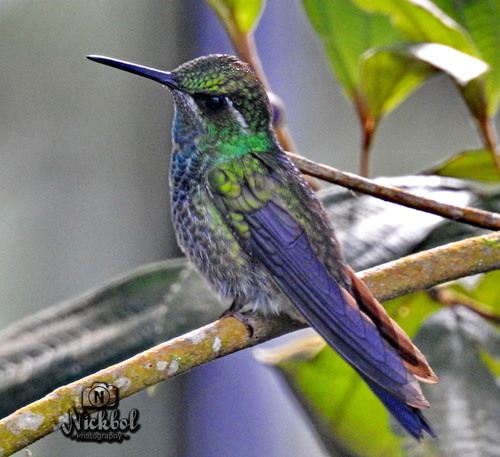 Colibrí de Sibila
En breve
La marca de campo más confiable para separar el Colibrí Insigne del Colibrí de Sibila es el brillante centro de garganta cobre-naranja del Colibrí Insigne, que brilla con buena luz, rodeado de verde dorado y un parche en el pecho violeta-azul—características que nunca muestra el Colibrí de Sibila. En contraste, los machos adultos del Colibrí de Sibila son de un verde metálico profundo por debajo, careciendo de tonos cobrizos o violetas, y las hembras tienen una garganta color canela y partes inferiores grisáceas. Ambas especies son similares en tamaño y estructura, pero la corona del Colibrí Insigne es de un azul real llamativo, mientras que el Colibrí de Sibila tiene una parte superior verde más uniforme con bronce en el rabadilla y una distintiva franja blanca post-ocular. Las aves juveniles e inmaduras pueden ser más complicadas, pero los colores de la garganta y las partes inferiores siguen siendo las pistas más útiles. El rango también es una pista contextual fuerte: el Colibrí Insigne se encuentra solo en Costa Rica y Panamá occidental, mientras que el Colibrí de Sibila se encuentra en Honduras y Nicaragua.
Consejos de identificación
- Centro de garganta brillante (solo Colibrí Insigne): Busque un parche brillante de color cobre-naranja en el centro de la garganta, especialmente cuando el ave se gira hacia la luz. Esto es diagnóstico para el Colibrí Insigne y nunca se muestra por el Colibrí de Sibila, en ninguna edad o sexo.
- Parche en el pecho violeta-azul (Colibrí Insigne): Un parche violeta-azul distintivo en el centro del pecho es único del Colibrí Insigne; los machos del Colibrí de Sibila son de pecho verde sin violeta.
- Color de la corona: El Colibrí Insigne tiene una corona azul real, contrastando con su cara y nuca negras. El Colibrí de Sibila tiene una corona y partes superiores de un verde metálico más uniforme, a veces con bronce en el rabadilla.
- Patrón facial: El Colibrí Insigne muestra un pequeño punto blanco detrás del ojo. El Colibrí de Sibila tiene una franja blanca audaz que se curva detrás del ojo y una delgada franja blanca debajo de la mejilla verde, creando un patrón facial más pronunciado.
- Color del pico: El pico del Colibrí Insigne es mayormente negro con una base rosada en la mandíbula inferior; el pico del Colibrí de Sibila es completamente negro y recto.
- Patrón de la cola: La cola del Colibrí Insigne es azul-negra en su totalidad. La cola del Colibrí de Sibila es de un negro grisáceo en el centro, con plumas exteriores de un gris pálido a blanco y bordes blancos anchos (especialmente en las hembras), y una barra oscura cerca de la punta.
- Color de las partes inferiores (machos): Los machos del Colibrí Insigne tienen una garganta y pecho multicolores (cobre, oro, violeta, verde), mientras que los machos del Colibrí de Sibila son metálicos verdes por debajo, con márgenes de plumas blancas o grisáceas y un vent blanco.
- Color de las partes inferiores (hembras): Las hembras del Colibrí de Sibila tienen un mentón y garganta color canela y partes inferiores grisáceas con verde en los lados del pecho; las hembras del Colibrí Insigne se asemejan a los machos y nunca muestran una garganta color canela.
- Marcas juveniles/inmaduras: Los juveniles del Colibrí de Sibila muestran moteado verde oscuro en la garganta y puntas canela a color canela en las plumas de la parte superior. Los juveniles del Colibrí Insigne no se describen como teniendo estas características.
- Mechones de piernas blancos y vent (Colibrí de Sibila): Los machos del Colibrí de Sibila tienen mechones de piernas blancos y un área vent blanca, que el Colibrí Insigne carece.
- Cubiertas de la cola superior: Las cubiertas de la cola superior del Colibrí Insigne son azul-verde a azul; el Colibrí de Sibila tiene cubiertas de la cola superior negras.
- Rango: Si se ve en Costa Rica o Panamá occidental, se espera el Colibrí Insigne; en Honduras o Nicaragua, el Colibrí de Sibila es la especie probable. Los rangos no se superponen.
- Agresión: El Colibrí Insigne es notablemente agresivo y dominante en comederos y parches de flores, lo que puede ayudar en situaciones de especies mixtas.
- Elevación del hábitat: El Colibrí Insigne se encuentra principalmente por encima de 1,600 m, a menudo hasta 3,200 m; la elevación del Colibrí de Sibila está menos documentada pero también es una especie de tierras altas.
- Vocalización: El Colibrí Insigne emite un nasal repetido 'kek...kek...'; no se describe un llamado comparable para el Colibrí de Sibila, así que úselo con precaución.
Tamaño
Ambas especies son muy similares en tamaño, con el Colibrí Insigne de 10.5–11 cm de longitud y el Colibrí de Sibila de 10–11 cm. La masa corporal promedio del Colibrí de Sibila (5.8 g) se encuentra dentro del rango reportado del Colibrí Insigne para ambos sexos. Estructuralmente, ambos tienen picos negros de longitud media y mayormente rectos, aunque la base del pico del Colibrí Insigne es rosada por debajo, mientras que la del Colibrí de Sibila es completamente negra. El tamaño por sí solo no es un separador confiable en el campo.
Plumaje
-
Aves juveniles/inmaduras: Los juveniles del Colibrí de Sibila muestran moteado verde oscuro en la garganta y puntas canela a color canela en las plumas de la parte superior, transicionando a los colores de la garganta y cola de los adultos a medida que maduran. Los juveniles del Colibrí Insigne no se describen en detalle, pero no se menciona moteado similar o plumas con puntas canela.
-
Machos adultos: Los machos del Colibrí Insigne tienen una corona azul real brillante, cara y nuca negras, espalda verde metálica brillante, cola azul-negra, y un espectacular centro de garganta cobre-naranja bordeado de verde dorado, con un parche en el pecho violeta-azul y partes inferiores de verde brillante a verde-azul. Los machos del Colibrí de Sibila son de un verde metálico profundo por encima y por debajo, con algo de bronce en el rabadilla, cubiertas de la cola superior negras, y una franja blanca post-ocular; sus partes inferiores son verdes con márgenes de plumas blancas o grisáceas, y su abdomen inferior y vent son blancos.
-
Hembras adultas: Las hembras del Colibrí Insigne son similares a los machos. Las hembras del Colibrí de Sibila tienen un mentón y garganta color canela, partes inferiores grisáceas con verde en los lados del pecho, y una cola más patrón con plumas exteriores blancas o grisáceas y una barra oscura cerca del final. Algunas hembras muestran un brillo verde en la parte superior de las plumas centrales de la cola.
-
Cola: El Colibrí Insigne tiene una cola azul-negra; la cola del Colibrí de Sibila es de un negro grisáceo en el centro, con plumas exteriores de un gris pálido a blanco y bordes blancos anchos, especialmente en las hembras.
-
Cara: El Colibrí Insigne tiene un pequeño punto blanco detrás del ojo; el Colibrí de Sibila tiene una franja blanca audaz que se curva detrás del ojo y una delgada franja blanca debajo de la mejilla verde.
Comportamiento
El Colibrí Insigne es notablemente agresivo y dominante sobre otros colibríes, a menudo defendiendo territorios de alimentación, especialmente durante y después de la temporada de cría. Ambos sexos pueden defender territorios después de la cría. El comportamiento de forrajeo del Colibrí de Sibila está menos documentado, pero se alimenta de néctar y pequeños artrópodos. No se menciona agresión o territorialidad similar. Ambas especies se alimentan en hábitats boscosos, pero el Colibrí Insigne se describe más a menudo como activo en el dosel y en los bordes del bosque.
Hábitat
El Colibrí Insigne está restringido a los bosques de tierras altas de Costa Rica y Panamá occidental, favoreciendo el bosque montano, el bosque nuboso, el bosque enano, y a veces áreas abiertas como bordes de páramo o pastizales con árboles, principalmente a elevaciones de 1,600–3,200 m dependiendo de la latitud. El Colibrí de Sibila se encuentra en Honduras y Nicaragua, también en tierras altas boscosas, pero no se proporcionan más detalles sobre el hábitat. Si se ve fuera de sus respectivos rangos, es poco probable la identificación errónea; el rango es una pista fuerte.
Voz
El Colibrí Insigne emite un nasal repetido, chirriante 'kek...kek...' y un llamado líquido rápido complejo, pero no tiene una verdadera canción. No se proporcionan detalles de vocalización para el Colibrí de Sibila, por lo que la voz no es un separador confiable.