

Alimoche Común vs Abejero Europeo
Neophron percnopterus frente a Pernis apivorus
Juega un quiz con Alimoche Común y Abejero Europeo
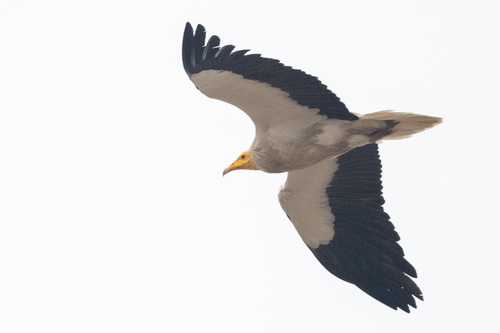 Alimoche Común
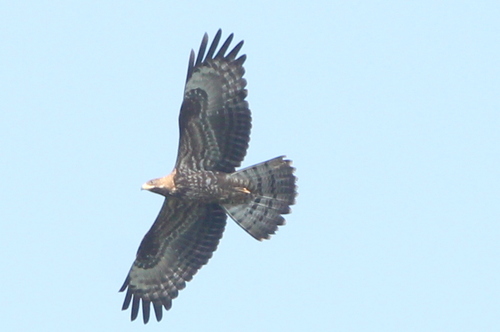 Abejero Europeo
En breve
La marca de campo más confiable entre el Alimoche Común y el Abejero Europeo es el llamativo patrón de alas subyacentes en blanco y negro del alimoche y su cola en forma de cuña, especialmente obvio en vuelo. Los alimoces juveniles son de color marrón oscuro, mientras que todas las edades del abejorro muestran colas con bandas y carecen de las alas puntiagudas y la cola en forma de cuña del alimoche. Estructuralmente, el Alimoche Común es más robusto con una cabeza pequeña y un pico largo y delgado, mientras que el Abejero Europeo tiene un cuello largo, cabeza pequeña y vuela con alas planas y rectas. Ambos pueden parecer pálidos a distancia, pero sus perfiles de vuelo y patrones de alas son distintos cuando se ven bien.
Consejos de identificación
- Silhouette de vuelo: El Alimoche Común tiene alas puntiagudas y una cola en forma de cuña; el Abejero Europeo tiene alas largas y rectas mantenidas planas y una cola larga y redondeada con una punta cuadrada.
- Patrón de alas subyacentes: El Alimoche Común adulto muestra plumas de vuelo negras llamativas que contrastan con cobertoras blancas; el ala subyacente del Abejero Europeo es más uniforme, con bandas sutiles y sin un contraste fuerte.
- Patrón de cola: La cola del Abejero Europeo es larga y muestra dos barras oscuras estrechas y una barra subterminal amplia (todas las edades); la cola del Alimoche Común es en forma de cuña y carece de bandas fuertes.
- Cabeza y pico: El Alimoche Común tiene una cara amarilla pequeña y desnuda y un pico largo, delgado y curvado; la cabeza del Abejero Europeo está cubierta de plumas, es pequeña y se proyecta hacia adelante en vuelo.
- Color de las patas: El Alimoche Común adulto tiene patas rosas, los juveniles son grises; las patas del Abejero Europeo no son tan conspicuas.
- Plumaje por edad: El Alimoche Común juvenil es marrón oscuro con manchas negras y blancas, nunca se asemeja al juvenil del Abejero Europeo que tiene bandas y se parece a un busardo.
- Piel facial: Solo el Alimoche Común tiene piel facial amarilla desnuda que se extiende hasta la garganta; la cara del Abejero Europeo está completamente cubierta de plumas.
- Estilo de planeo: El Alimoche Común planea con las alas ligeramente levantadas y a menudo se desliza con las alas en una V poco profunda; el Abejero Europeo planea con alas planas, a menudo con un ligero ángulo hacia abajo en la muñeca.
- Postura posada: El Alimoche Común parece encorvado con un cuello largo y plumas de garganta erizadas; el Abejero Europeo es más erguido y delgado.
- Contexto de hábitat: El Alimoche Común rara vez se encuentra en bosques; el Abejero Europeo rara vez está lejos del bosque.
- Diferencias sexuales: Los sexos del Abejero Europeo difieren (cabeza azul-gris en machos, marrón en hembras); los sexos del Alimoche Común son similares excepto por una piel facial de naranja ligeramente más profunda en machos en época de cría.
- Color del pico: El pico del Alimoche Común es negro (nominate) o pálido/amarillento (ssp. india); el pico del Abejero Europeo es siempre oscuro y menos prominente.
- Comportamiento en el suelo: El Abejero Europeo puede ser visto excavando en el suelo del bosque; el Alimoche Común es más probable que se encuentre en carroñas o posado en rocas.
- Vocalización: Solo el Abejero Europeo emite un claro llamado 'peee-lu', pero ambos suelen ser silenciosos.
- Impresión de tamaño: El Alimoche Común es mucho más pesado y robusto; el Abejero Europeo es más ligero y más elegante en vuelo.
Tamaño
El Alimoche Común es sustancialmente más pesado (alrededor de 1977 g) y más robusto que el Abejero Europeo (que es mucho más ligero, entre 440–1050 g [wikipedia]). El cuerpo del alimoche es más robusto, con un pico más pesado y patas más largas, mientras que el Abejero Europeo es más esbelto, con una envergadura más larga (130–150 cm) y una silueta más alargada en vuelo. El tamaño del alimoche es más comparable al de un águila pequeña, mientras que el Abejero Europeo está más cerca de un gran busardo o milano.
Plumaje
-
Aves juveniles/inmaduras: Los alimoces juveniles son de color negro o marrón chocolate en general, con manchas negras y blancas, careciendo del cuerpo blanco y las plumas de vuelo negras del adulto. Esto puede causar confusión con rapaces oscuras, pero la estructura del alimoche (cabeza pequeña, cola en forma de cuña, patas largas) sigue siendo distintiva. Los abejeros juveniles se asemejan al Busardo Ratonero en plumaje, con partes superiores marrones y una cola con bandas (generalmente dos barras oscuras estrechas y una barra subterminal amplia), pero nunca muestran la cola en forma de cuña o alas puntiagudas del alimoche.
-
Adultos: Los alimoces adultos son blancos con plumas de vuelo negras, pero a menudo parecen oxidados o sucios debido a manchas de tierra. Sus alas subyacentes tienen un patrón en blanco y negro muy marcado, y la cola es en forma de cuña. Los abejeros son de color marrón variable por encima y por debajo, con una cola más larga y con bandas y sin un fuerte contraste en las alas subyacentes; los machos tienen una cabeza azul-gris, las hembras marrón, y ambos tienen una apariencia más uniforme en vuelo. La cara del alimoche es desnuda y amarilla, mientras que el Abejero Europeo tiene una cabeza cubierta de plumas y sin piel desnuda.
Comportamiento
El Alimoche Común se ve a menudo planeando alto en térmicas durante la parte más cálida del día, con un vuelo distintivo y ligero y un deslizamiento frecuente. Es un carroñero, que se encuentra típicamente en campos abiertos, acantilados o cerca de asentamientos humanos. El Abejero Europeo es más reservado, pasando mucho tiempo en o sobre bosques, y es más conspicuo durante la migración o el despliegue de primavera, cuando planea con alas planas y puede realizar aplausos con las alas. En el suelo, el Abejero Europeo excava nidos de avispas, mientras que el Alimoche Común rara vez se ve buscando alimento en el suelo, excepto en carroñas.
Hábitat
El Alimoche Común prefiere paisajes abiertos, áreas rocosas y acantilados, a menudo cerca de asentamientos o tierras agrícolas, y rara vez se encuentra en lo profundo de los bosques. El Abejero Europeo cría en extensos bosques y selvas, y es mucho más probable que se vea sobre o cerca de árboles. Si ves un ave rapaz pálida planeando sobre un denso bosque, es más probable que sea un Abejero Europeo; en áreas abiertas, áridas o rocosas, especialmente cerca de actividad humana, el Alimoche Común es la mejor opción.
Voz
El Abejero Europeo emite un claro llamado 'peee-lu', especialmente en el despliegue, pero generalmente es silencioso. El Alimoche Común es mayormente silencioso y no tiene un llamado distintivo en el campo. La voz rara vez es útil para la separación.