
Mosqueta Enana vs Titirijí Pechigrís
Myiornis auricularis frente a Hemitriccus diops
Juega un quiz con Mosqueta Enana y Titirijí Pechigrís
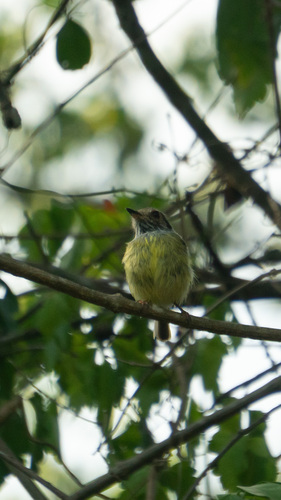 Mosqueta Enana
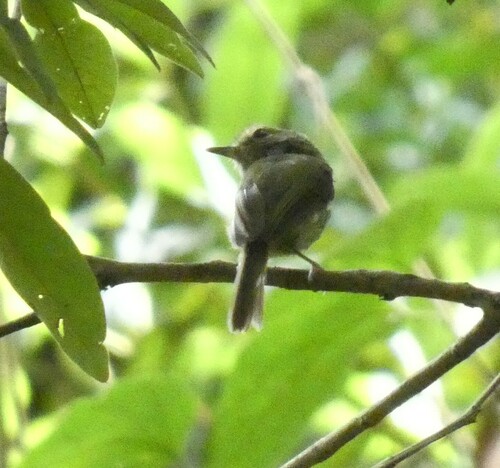 Titirijí Pechigrís
En breve
La marca de campo más confiable para separar la Mosqueta Enana del Titirijí Pechigrís es el dramático patrón facial de la primera: busca un área de color canela alrededor del ojo, un creciente negro detrás de las cobertoras de oído blanquecinas y una mancha negra debajo del ojo. En contraste, el Titirijí Pechigrís tiene una cara verde oliva mucho más simple, con solo una sutil mancha blanca sobre los lóbulos y un anillo ocular blanco. La Mosqueta Enana también es notablemente más pequeña y compacta, mientras que el Titirijí Pechigrís es más grande y pesado. Ambas especies comparten rangos y hábitats similares, por lo que prestar atención al patrón facial y al tamaño general es crucial. El patrón de las alas no es fuertemente diagnóstico para ninguna de las especies en ninguna edad, así que concéntrate en la coloración de la cabeza y las partes inferiores.
Consejos de identificación
- El patrón facial es la mejor marca de campo: La Mosqueta Enana siempre muestra un área de color canela alrededor del ojo, un creciente negro distintivo detrás de las cobertoras de oído blanquecinas y una mancha negra debajo del ojo. El Titirijí Pechigrís tiene una cara verde oliva simple con solo una débil mancha blanca sobre los lóbulos y un anillo ocular blanco. Este contraste es visible en todas las edades y sexos.
- Color de la corona y la nuca: La Mosqueta Enana tiene una corona verde oliva brillante con un tinte marrón y una nuca/cuello gris, mientras que el Titirijí Pechigrís es uniformemente verde oliva oscuro arriba.
- Partes inferiores: La Mosqueta Enana muestra un cuello y parte superior del pecho blancos con delgadas rayas negras, y partes inferiores brillantes amarillas con rayas olivas. El Titirijí Pechigrís tiene un cuello y pecho gris apagado (a veces con un tinte rosado o purpúreo), un débil creciente blanco entre el pecho y el vientre, y un vientre/crissum blanquecino con un tinte amarillo.
- Patrón de alas: La Mosqueta Enana tiene alas oscuras con bordes amarillos oliva brillantes y dos bandas de alas indistintas (a menudo sutiles), mientras que las alas del Titirijí Pechigrís son de un verde oliva simple, a veces con bordes más claros en las secundarias más internas pero sin bandas de alas claras. Esta es una marca menor y no siempre visible.
- Tamaño y estructura: La Mosqueta Enana es mucho más pequeña (7–9 cm, ~5 g) y parece muy compacta y con cabeza grande. El Titirijí Pechigrís es más grande (11 cm, 9.5–13.5 g) y más proporcionado. Si ves un pájaro realmente pequeño y con cabeza grande, sospecha de la Mosqueta.
- Color del iris: La Mosqueta Enana tiene un iris naranja; el del Titirijí Pechigrís es marrón rojizo. Esto puede ser difícil de ver en el campo pero es consistente.
- Pico y patas: La Mosqueta Enana tiene un pico negruzco y patas/pies rosados; el Titirijí Pechigrís tiene una maxila gris, una mandíbula rosada y patas/pies de un gris claro. No es fuertemente diagnóstico excepto a corta distancia.
- Contraste facial a distancia: Incluso si no puedes ver detalles finos, la cara de la Mosqueta Enana parece mucho más patrón y contrastante, mientras que la del Titirijí Pechigrís es simple.
- Sin marcas de alas o cola específicas de edad: Ninguna de las especies tiene patrones distintivos de alas o cola juveniles o inmaduros que ayuden a la separación.
- Sin fuerte separación de hábitat: Ambas pueden ocurrir en bosques o matorrales similares con un sotobosque denso, incluyendo bambú. No confíes solo en el hábitat.
- Comportamiento: La Mosqueta Enana puede parecer más activa e inquieta, pero esto es sutil y no un separador confiable.
- Voz: No se describen diferencias vocales en las notas disponibles; no confíes en el canto o llamado para la separación.
- Sexos similares: Ambas especies tienen sexos similares en plumaje, por lo que todas las marcas de campo se aplican tanto a machos como a hembras.
- Variación de subespecies: Las subespecies de la Mosqueta Enana pueden mostrar cobertoras de oído más pálidas, pero el patrón facial general sigue siendo distintivo en comparación con el Titirijí Pechigrís.
- Trampa: No confundas los bordes de alas débiles o lóbulos pálidos en el Titirijí Pechigrís con el patrón facial audaz de la Mosqueta; este último siempre es mucho más llamativo y contrastante.
Tamaño
La Mosqueta Enana es uno de los paseriformes más pequeños, midiendo solo 7–9 cm de longitud y pesando alrededor de 5 g. El Titirijí Pechigrís es significativamente más grande, con aproximadamente 11 cm de largo y 9.5–13.5 g de masa [wikipedia][wikidata]. Esta diferencia de tamaño es a menudo visible en el campo: la Mosqueta Enana parece diminuta y con cabeza grande, mientras que el Titirijí Pechigrís se ve más típico para un pequeño atrapamoscas tirano. Si se ven juntos o con especies de referencia conocidas, la diferencia es notable.
Plumaje
No se describe un patrón de alas o vuelo específico de edad para ninguna de las especies, así que concéntrate en el plumaje adulto y general. La Mosqueta Enana de todas las edades y sexos muestra un patrón facial llamativo: canela alrededor del ojo, cobertoras de oído blanquecinas bordeadas con un creciente negro, y una mancha negra debajo del ojo. Su corona es de un verde oliva brillante con un tinte marrón, la nuca y el cuello son grises, y la espalda/posadera es de un verde oliva brillante. Las alas son oscuras con bordes amarillos oliva y dos bandas de alas indistintas. Las partes inferiores son blancas en el cuello/parte superior del pecho con delgadas rayas negras, y brillantes amarillas con rayas olivas abajo. El Titirijí Pechigrís es mucho más simple: la cara es verde oliva con una débil mancha blanca sobre los lóbulos y un anillo ocular blanco, la corona/espalda/posadera son de un verde oliva oscuro simple, y las alas/cola son igualmente simples. El cuello y el pecho son de un gris apagado con un tinte rosado o purpúreo, separados del vientre blanquecino por un débil creciente blanco. El crissum es blanquecino con un tinte amarillo. El color del iris difiere: naranja en la Mosqueta, marrón rojizo en el Titirijí Pechigrís. El color del pico y las patas no son fuertemente diagnósticos pero pueden ayudar a corta distancia.
Comportamiento
Ambas especies forrajean en vegetación baja a media, haciendo cortas salidas desde posaderos para recoger insectos de las hojas. La Mosqueta Enana a menudo se describe como más activa e inquieta, moviéndose rápidamente a través del follaje denso, mientras que el Titirijí Pechigrís tiende a ser ligeramente menos frenético. Sin embargo, las diferencias de comportamiento son sutiles y no son confiables para la separación en el campo.
Hábitat
Ambas especies ocurren en Argentina, Brasil y Paraguay, a menudo en hábitats de bosque o matorral de nivel bajo a medio similares. No hay una fuerte separación de hábitat en las notas, por lo que el contexto no es un separador confiable. Ambas pueden encontrarse en bambú o sotobosque denso, pero esto no es diagnóstico.