

Semillero Gorjioscuro vs Pepitero Picudo
Sporophila ruficollis frente a Saltator maxillosus
Juega un quiz con Semillero Gorjioscuro y Pepitero Picudo
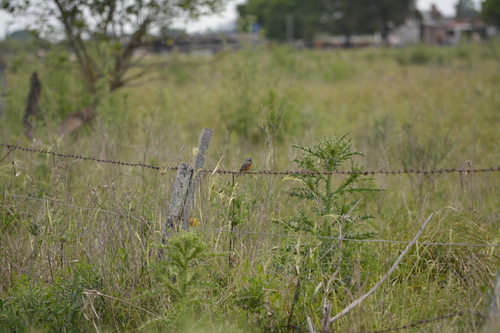 Semillero Gorjioscuro
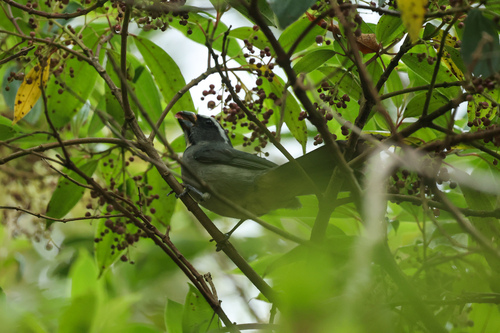 Pepitero Picudo
En breve
La marca de campo más confiable entre el Semillero Gorjioscuro y el Pepitero Picudo es el tamaño general y la estructura del pico: el Pepitero es casi el doble de largo y tiene un pico masivo, grueso y a menudo con base amarilla, mientras que el Semillero es diminuto con un pico pequeño y redondeado. Si vislumbras un pequeño pájaro con un vientre rufo y una garganta oscura, especialmente en praderas, es el Semillero; un pájaro mucho más grande con una notable ceja blanca y un pico enorme en el bosque es el Pepitero. Los Semilleros inmaduros y hembras pueden confundirse con otros pájaros marrones, pero nunca igualan el tamaño o el pico del Pepitero. Siempre verifica la larga ceja blanca del Pepitero y las partes inferiores rufas y la mancha de garganta oscura en los machos del Semillero.
Consejos de identificación
- El tamaño es la verificación más rápida: El Pepitero es casi el doble de largo que el Semillero. Si el pájaro parece del tamaño de un zorzal, es el Pepitero; del tamaño de un gorrión, es el Semillero.
- Estructura del pico: El Pepitero tiene un pico masivo, grueso y alto, a menudo amarillo en la base (especialmente en machos), mientras que el pico del Semillero es pequeño, redondeado y oscuro (gris a negro en machos, cuerno a negruzco en hembras). Esto es visible incluso a distancia.
- Ceja blanca (supercilio): Solo el macho Pepitero muestra una larga y audaz ceja blanca que comienza en la base del pico. El Semillero nunca tiene una ceja blanca en ningún plumaje.
- Garganta y partes inferiores (machos adultos): El macho Semillero tiene una garganta y parte superior del pecho de color marrón oscuro-negro con rufas abajo; el macho Pepitero tiene una parte inferior color crema o oxidada pero nunca una mancha de garganta oscura.
- Color de la corona: El macho Semillero tiene una corona y nuca grises, dando un aspecto de casco; el macho Pepitero es gris oscuro arriba pero carece del efecto de casco.
- Tonos rufos/canela: Solo el Semillero (especialmente machos) muestra tonos rufos o canela oscuros en la parte baja de la espalda, el rabadilla y las partes inferiores. El Pepitero es oxidado abajo pero nunca rufo arriba.
- Mancha primaria: Ambos sexos y edades del Semillero muestran una pequeña mancha blanquecina en la base de las primarias (en el ala plegada o en vuelo). El Pepitero nunca muestra esta característica.
- Confusión hembra/inmaduro: Las hembras y juveniles de Semillero son de un marrón cálido con caras y partes inferiores color crema, careciendo de fuertes marcas faciales. La hembra Pepitero es de espalda verde con una cara más verde y garganta color crema, y siempre tiene un pico mucho más grueso.
- Cola: La cola del Semillero es negruzca con bordes grises (macho) o marrón oscuro (hembra); la cola del Pepitero no se describe como distintiva pero es proporcionalmente más larga y se adapta a su cuerpo más grande.
- Contexto del hábitat: El Semillero se encuentra en praderas abiertas o matorrales, el Pepitero en el borde del bosque o en el bosque montano. El hábitat por sí solo puede separarlos a menudo.
- Comportamiento: El Semillero es más probable que se vea bajo en la hierba o en tallos; el Pepitero se posa más alto y es más conspicuo.
- Canto: Si escuchas una fuerte frase de cuatro notas con la tercera nota más fuerte, es el Pepitero. El canto del Semillero no se describe aquí.
- Color de las patas: Ambos tienen patas oscuras, no es un separador.
- Color del iris: Ambos tienen iris marrón oscuro, no es un separador.
- Presencia estacional: El Semillero cría de diciembre a febrero; el Pepitero canta desde agosto en adelante, pero ambos pueden estar presentes durante todo el año en partes de su rango.
Tamaño
El Semillero Gorjioscuro es un pájaro muy pequeño, de 10 a 11 cm de largo y pesando de 7 a 9.7 g, uno de los más pequeños en su género. El Pepitero Picudo es mucho más grande, con aproximadamente 19 cm, y un pico notablemente robusto y alto. Esta diferencia de tamaño es dramática en el campo: el Pepitero es casi el doble de largo y parece mucho más voluminoso, mientras que el Semillero es delicado y del tamaño de un gorrión. Si ves ambos juntos, es poco probable que haya confusión, pero los pájaros solitarios pueden ser malinterpretados a distancia sin una referencia de tamaño.
Plumaje
- Juvenil/Inmaduro/Primer año: Los juveniles y hembras de Semillero Gorjioscuro son de un marrón cálido arriba con caras y partes inferiores color crema, y una pequeña mancha primaria blanquecina en el ala, pero carecen de fuertes marcas faciales. Los Pepiteros inmaduros son verdosos arriba con un pico negro, y nunca muestran los tonos rufos del Semillero o la mancha primaria.
- Machos Adultos: El macho Semillero es de corona gris con una cara, garganta y parte superior del pecho de color marrón negruzco, y partes inferiores rufas. Tiene una pequeña mancha blanca en la base de las primarias (visible en el ala plegada). El macho Pepitero es gris oscuro arriba, con una larga ceja blanca, partes inferiores oxidadas, y un pico grueso con base amarilla; sin vientre rufo ni mancha de garganta oscura.
- Hembras Adultas: La hembra Semillero es de un marrón cálido con una cara y partes inferiores color crema, y una pequeña mancha alada pálida. La hembra Pepitero tiene una espalda verde, cara más verde, garganta color crema, y un pico muy grueso, careciendo de los tonos rufos o canela del Semillero.
- Alas en Vuelo: Solo el Semillero muestra una pequeña mancha blanquecina en la base de las primarias (todas las edades/sexos), nunca presente en el Pepitero.
Comportamiento
El Semillero Gorjioscuro se ve típicamente bajo en praderas altas o matorrales, a menudo posándose en tallos de hierba o arbustos bajos. Es discreto y se mueve con saltos rápidos, similares a los de un gorrión. El Pepitero Picudo es más robusto y a menudo se posa más alto en los bordes del bosque o claros, a veces cantando desde ramas expuestas. Se mueve de manera más deliberada y es menos probable que se vea en el suelo. El comportamiento de alimentación y canto del Pepitero es más conspicuo, mientras que el Semillero es generalmente tímido y se mantiene bajo.
Hábitat
El Semillero Gorjioscuro prefiere praderas altas y no perturbadas, márgenes de carreteras cubiertas de hierba, y a veces áreas matorral, rara vez aventurándose en bosques densos. Está menos ligado al agua que algunas especies relacionadas. El Pepitero Picudo es un pájaro del Bosque Atlántico montano, bordes de bosque y claros en el sureste de Brasil y áreas adyacentes, rara vez encontrado en praderas abiertas. Si encuentras un pequeño pájaro en hierba abierta, es probable que sea un Semillero; un pájaro grande en hábitat de bosque o borde es probablemente un Pepitero.
Voz
El canto del Pepitero es una serie de cuatro llamados fuertes y claros, con la tercera nota siendo la más fuerte, y canta desde agosto en adelante. Las vocalizaciones del Semillero no se describen en las notas proporcionadas, por lo que el canto no es un separador confiable aquí a menos que conozcas el patrón distintivo del Pepitero.
Semillero Gorjioscuro · Pepitero Picudo · Mis aves difíciles