

Correlimos Zarapitín vs Correlimos de Temminck
Calidris ferruginea frente a Calidris temminckii
Juega un quiz con Correlimos Zarapitín y Correlimos de Temminck
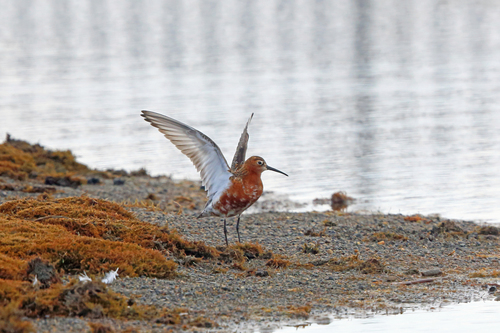 Correlimos Zarapitín
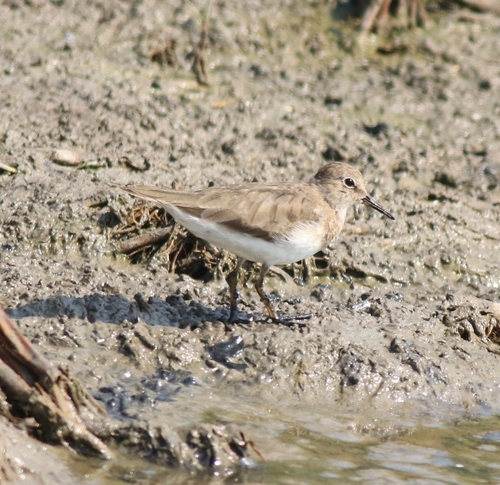 Correlimos de Temminck
En breve
La marca de campo más confiable para separar el Correlimos Zarapitín del Correlimos de Temminck es la prominente rabadilla blanca y la amplia franja blanca en el ala que muestra en vuelo el Correlimos Zarapitín de todas las edades, que carece el Correlimos de Temminck. El Correlimos Zarapitín es notablemente más grande, con un pico negro más largo y curvado hacia abajo y patas negruzcas, mientras que el Correlimos de Temminck es mucho más pequeño, con un pico corto y recto y patas de color amarillo apagado o marrón. En el suelo, el Correlimos Zarapitín a menudo parece más elegante y de patas largas, mientras que el Correlimos de Temminck es compacto y soso, con partes superiores marrones simples y una cola externa blanca. Las aves juveniles y no reproductoras de ambas especies pueden parecer similares, pero una atención cuidadosa a la estructura, el color de las patas y el patrón de vuelo las separará.
Consejos de identificación
- Rabadilla blanca y franja en el ala en vuelo: El Correlimos Zarapitín de todas las edades muestra una gran rabadilla blanca y amplia franja blanca a través del ala en vuelo; el Correlimos de Temminck carece de ambas, mostrando solo plumas externas de cola blancas. Esta es la marca más confiable en vuelo, especialmente para juveniles y aves no reproductoras.
- Tamaño y estructura: El Correlimos Zarapitín es mucho más grande y de patas más largas que el Correlimos de Temminck. Si se ven juntos o con otros limícolas, el Correlimos Zarapitín se destaca por su tamaño y proporciones elegantes.
- Forma y longitud del pico: El Correlimos Zarapitín tiene un pico negro largo y curvado hacia abajo, mientras que el Correlimos de Temminck tiene un pico corto y recto. Esto es evidente a corta distancia o con buena óptica.
- Color de las patas: El Correlimos Zarapitín tiene patas de color gris oscuro a negro; el Correlimos de Temminck tiene patas de color amarillo apagado o marrón. Esta es una marca sutil pero útil cuando es visible.
- Plumaje en la temporada de cría: El Correlimos Zarapitín adulto es extensamente rojizo por debajo (especialmente los machos), con una cabeza y pecho rojizos. El Correlimos de Temminck permanece mayormente marrón soso con solo un limitado rufous o negruzco en el manto.
- Plumaje no reproductor y juvenil: Ambas especies se vuelven más apagadas, pero el Correlimos Zarapitín mantiene un supercilio blanco y un patrón de partes superiores más moteado o escamoso (especialmente en juveniles), mientras que el Correlimos de Temminck es de un marrón más simple arriba, con un supercilio menos distintivo y un pecho más oscuro.
- Patrón de la cola: En vuelo, el Correlimos de Temminck muestra plumas externas de cola blancas, pero la rabadilla no es blanca. La rabadilla blanca del Correlimos Zarapitín se extiende por la espalda y es mucho más obvia.
- Comportamiento alimenticio: El Correlimos Zarapitín a menudo sondea más profundo con su pico más largo y puede alimentarse en aguas ligeramente más profundas; el Correlimos de Temminck es más activo y se alimenta en el borde del agua.
- Contexto del hábitat: El Correlimos Zarapitín es más probable que se encuentre en llanuras de barro costeras abiertas o salinas, mientras que el Correlimos de Temminck prefiere pequeños estanques de agua dulce o bordes pantanosos.
- Patrón de la cabeza: El Correlimos Zarapitín muestra una ceja blanca distintiva (supercilio), especialmente en plumaje no reproductor y juvenil; la cabeza del Correlimos de Temminck es de un marrón más simple con menos contraste.
- Color de las partes inferiores: El Correlimos Zarapitín en plumaje de cría es rojizo por debajo, mientras que el Correlimos de Temminck es siempre blanco por debajo con una banda de pecho más oscura.
- Proyección del ala: El Correlimos Zarapitín tiene alas más largas y un extremo trasero más atenuado en perfil; el Correlimos de Temminck es de alas cortas y compacto.
- Trampas con aves solitarias: Los Correlimos Zarapitín no reproductores solitarios pueden parecer sorprendentemente simples y pequeños, y los Correlimos de Temminck solitarios pueden parecer más grandes de lo que son; siempre verifique múltiples características.
- Confusión juvenil: El Correlimos Zarapitín juvenil es escamoso y de tonos beige arriba, con un supercilio blanco; el Correlimos de Temminck juvenil es más simple y marrón, careciendo de un patrón fuerte.
- Bandadas mixtas: En bandadas mixtas de Calidris, el tamaño, el pico y la rabadilla/franja blanca del Correlimos Zarapitín lo separarán del Correlimos de Temminck y otros pequeños correlimos.
Tamaño
El Correlimos Zarapitín es significativamente más grande (18–23 cm de longitud, 44–117 g de masa, 38–46 cm de envergadura) en comparación con el Correlimos de Temminck (13.5–15 cm de longitud, ~26 g de masa) [wikipedia][wikidata]. Esta diferencia de tamaño es generalmente obvia en comparación directa o en bandadas mixtas. El Correlimos Zarapitín también tiene un pico y patas proporcionalmente más largos, dándole una apariencia más alargada, mientras que el Correlimos de Temminck es compacto y de patas cortas.
Plumaje
En todas las edades y estaciones, el Correlimos Zarapitín en vuelo muestra una gran rabadilla blanca y una amplia franja blanca en el ala, que están ausentes en el Correlimos de Temminck. Los Correlimos Zarapitín juveniles son escamosos arriba con bordes beige y un supercilio blanco, mientras que los juveniles del Correlimos de Temminck son de un marrón más simple arriba, careciendo de un patrón fuerte. En plumaje no reproductor, el Correlimos Zarapitín es grisáceo arriba y blanco por debajo, con una ceja blanca distintiva y una apariencia moteada en las partes superiores; el Correlimos de Temminck es de un gris apagado o marrón grisáceo arriba, con una cabeza marrón simple y un pecho más oscuro, pero carece de un supercilio fuerte. El Correlimos Zarapitín en cría es rojizo por debajo (especialmente los machos), mientras que el Correlimos de Temminck solo muestra un limitado rufous o negruzco en el manto y permanece mayormente soso. Las plumas externas de la cola del Correlimos de Temminck son blancas, pero la rabadilla no lo es, mientras que el Correlimos Zarapitín tiene una rabadilla blanca que se extiende por la espalda.
Comportamiento
El Correlimos Zarapitín a menudo se alimenta en aguas ligeramente más profundas o en áreas más fangosas, utilizando su pico más largo para sondear, y puede parecer más elegante y deliberado en movimiento. El Correlimos de Temminck es típicamente más activo, alimentándose con movimientos rápidos y cortos y a menudo encontrado en el borde del agua o en barro más seco. En bandadas mixtas, el Correlimos Zarapitín se destaca por su tamaño y perfil de patas más largas y pico más largo.
Hábitat
Ambas especies utilizan márgenes fangosos o arenosos de humedales, pero el Correlimos Zarapitín es más probable que se encuentre en llanuras de barro costeras abiertas y salinas, especialmente durante la migración y el invierno. El Correlimos de Temminck se ve a menudo en los bordes de pequeños estanques de agua dulce, pantanos o terrenos húmedos, a veces lejos de grandes llanuras de barro abiertas. Ocurre superposición, pero el contexto puede ayudar: el Correlimos Zarapitín es más costero, el Correlimos de Temminck más probable que se encuentre en el interior o en cuerpos de agua más pequeños.
Correlimos Zarapitín · Correlimos de Temminck · Mis aves difíciles