

Correlimos Zarapitín vs Correlimos Tridáctilo
Calidris ferruginea frente a Calidris alba
Juega un quiz con Correlimos Zarapitín y Correlimos Tridáctilo
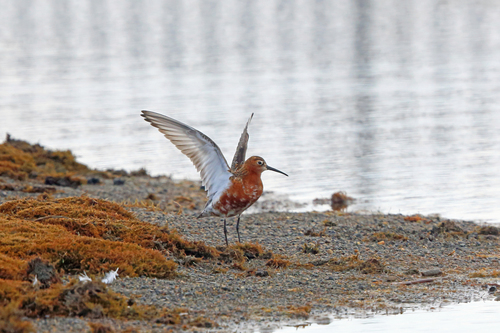 Correlimos Zarapitín
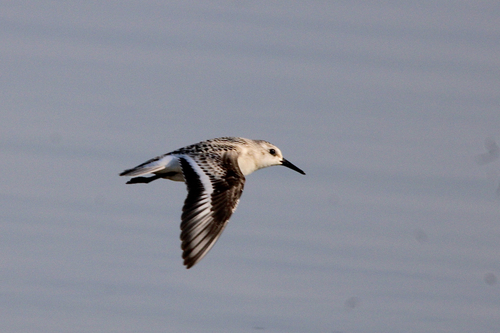 Correlimos Tridáctilo
En breve
La marca de campo más confiable entre el Correlimos Zarapitín y el Correlimos Tridáctilo es el pico: el Correlimos Zarapitín siempre muestra un pico negro notablemente más largo y curvado hacia abajo, mientras que el pico del Correlimos Tridáctilo es más corto, recto y robusto. En vuelo, ambas especies muestran una fuerte banda alar blanca, pero el Correlimos Zarapitín tiene una gran mancha blanca en la rabadilla que se extiende por la parte baja de la espalda, que el Correlimos Tridáctilo no tiene. Las aves juveniles y no reproductoras pueden ser especialmente confusas, pero el Correlimos Zarapitín es más delgado y tiene patas más largas, con una apariencia más elegante, mientras que el Correlimos Tridáctilo es más robusto y a menudo parece casi sin cuello. Ambas tienen patas y picos negros, pero las patas del Correlimos Tridáctilo son más gruesas y carece de un dedo trasero. Las diferencias en el plumaje son sutiles en las aves no reproductoras, pero el Correlimos Zarapitín muestra una proyección primaria más larga y un supercilio blanco distinto, mientras que el Correlimos Tridáctilo es más pálido en general con partes inferiores blancas más limpias.
Consejos de identificación
- Forma y longitud del pico: El Correlimos Zarapitín siempre tiene un pico negro notablemente más largo, delgado y curvado hacia abajo, mientras que el pico del Correlimos Tridáctilo es más corto, recto y robusto. Esta es la marca de campo más confiable a cualquier edad o temporada.
- Mancha blanca en la rabadilla (vuelo): El Correlimos Zarapitín muestra una gran rabadilla blanca que se extiende por la parte baja de la espalda, visible en vuelo desde atrás. El Correlimos Tridáctilo carece de esta característica y tiene una rabadilla gris uniforme.
- Banda alar (vuelo): Ambas especies muestran una fuerte banda alar blanca, por lo que esto no es diagnóstico por sí solo. Úsalo en combinación con la rabadilla y la estructura.
- Proyección primaria: El Correlimos Zarapitín tiene una proyección primaria más larga más allá de los terciarios, lo que le da una apariencia más alargada cuando está posado. Las primarias del Correlimos Tridáctilo son más cortas, lo que contribuye a su apariencia compacta.
- Patas: Ambas tienen patas negras, pero las del Correlimos Tridáctilo son más gruesas y carece de un dedo trasero (no fácilmente visible en el campo). Las patas del Correlimos Zarapitín son más largas y finas.
- Supercilio: El Correlimos Zarapitín tiene un supercilio blanco más distintivo, especialmente en plumajes no reproductores y juveniles. La cara del Correlimos Tridáctilo es más simple, con menos contraste.
- Plumaje (no reproductor): El Correlimos Tridáctilo es más pálido en general, con partes inferiores blancas muy limpias y partes superiores gris pálido. El Correlimos Zarapitín es ligeramente más oscuro en la parte superior, con un aspecto moteado debido a los centros de las plumas y algunas estrías pálidas en la parte inferior.
- Plumaje (juvenil): Los juveniles del Correlimos Zarapitín son más color canela y tienen un patrón más uniforme en la parte superior, con una cola más delgada y una cabeza más estriada. Los juveniles del Correlimos Tridáctilo son más pálidos, con menos estrías y una cara más blanca.
- Plumaje (reproductor): El Correlimos Zarapitín es de color rojo ladrillo en la parte inferior y en la cara, con algunas estrías. El Correlimos Tridáctilo nunca muestra las partes inferiores completamente rufas del Correlimos Zarapitín.
- Estructura/apariencia: El Correlimos Zarapitín es delgado, de patas largas y elegante, a menudo alimentándose con un paso más deliberado. El Correlimos Tridáctilo es compacto, de cuello corto y a menudo corre rápidamente a lo largo de la costa.
- Hábitat: En playas de arena abiertas, el Correlimos Tridáctilo es mucho más probable, especialmente en grandes bandadas. El Correlimos Zarapitín prefiere llanuras fangosas o vegetadas y es menos probable que se vea en arena pura.
- Tamaño del grupo: El Correlimos Tridáctilo es muy gregario en invierno, a menudo en grandes bandadas compactas. El Correlimos Zarapitín es más solitario o se encuentra en grupos sueltos.
- Comportamiento alimenticio: La carrera 'bicicleta' del Correlimos Tridáctilo mientras persigue las olas que retroceden es distintiva. El Correlimos Zarapitín se alimenta de manera más metódica, sondeando barro o agua poco profunda.
- Forma de la cola: La cola del Correlimos Zarapitín es más larga y delgada; la del Correlimos Tridáctilo es más corta y robusta, pero esto es sutil.
- Trampas: En luz tenue o a distancia, ambos pueden parecer similares en plumaje no reproductor. Siempre intenta obtener una buena vista del pico y la rabadilla en vuelo para confirmación.
Tamaño
El Correlimos Zarapitín es ligeramente más grande, midiendo 18–23 cm de longitud con una envergadura de 38–46 cm y pesando 44–117 g [wikipedia]. El Correlimos Tridáctilo es similar en tamaño pero generalmente un poco más pequeño y robusto, con una construcción más compacta [wikipedia]. Ambas especies son limícolas pequeñas, pero el Correlimos Zarapitín da una impresión más larga y delgada, especialmente en las patas y el pico.
Plumaje
- Juvenil/Primer invierno: Ambas especies tienen partes superiores pálidas y escamosas, pero los juveniles del Correlimos Zarapitín son más color canela y muestran un borde más fino y uniforme, con un supercilio blanco distintivo y una gran rabadilla blanca visible en vuelo. Los juveniles del Correlimos Tridáctilo son más pálidos, con partes inferiores blancas más limpias y una fuerte banda alar blanca en vuelo, pero carecen de la mancha blanca en la rabadilla.
- No reproductor: El Correlimos Zarapitín es gris en la parte superior y blanco en la parte inferior, con un supercilio blanco prominente y un aspecto ligeramente moteado debido a los centros de plumas más oscuros. El Correlimos Tridáctilo es aún más pálido, casi blanco fantasmal en la parte inferior y gris pálido en la parte superior, con poco o ningún estriado y un aspecto muy limpio. En vuelo, ambos muestran una banda alar blanca, pero solo el Correlimos Zarapitín tiene la rabadilla blanca que se extiende por la espalda.
- Reproductor: Los adultos del Correlimos Zarapitín son de color rojo ladrillo en la parte inferior y en la cara, con algunas estrías y una rabadilla blanca. El plumaje de reproducción del Correlimos Tridáctilo es mucho más variado, con rufous, negro y blanco en la parte superior y una cara y partes inferiores blancas. El Correlimos Tridáctilo nunca muestra las partes inferiores completamente rufas del Correlimos Zarapitín.
Comportamiento
El Correlimos Tridáctilo es muy gregario en invierno, a menudo formando bandadas compactas y rápidas en playas de arena, y es famoso por su acción de carrera 'bicicleta' mientras persigue las olas. El Correlimos Zarapitín se encuentra más a menudo solo o en grupos sueltos, alimentándose de manera metódica en llanuras de barro y salinas. El Correlimos Tridáctilo es más probable que se vea en playas de arena abiertas, mientras que el Correlimos Zarapitín prefiere costas más fangosas o vegetadas. En vuelo, el Correlimos Zarapitín parece más alargado y elegante, mientras que el Correlimos Tridáctilo es compacto y directo.
Hábitat
El Correlimos Zarapitín cría en tierras bajas costeras pantanosas del Ártico Siberiano y pasa el invierno en llanuras de barro y salinas, especialmente en África y el sur de Eurasia [wikipedia]. El Correlimos Tridáctilo cría aún más al norte en la tundra ártica alta y se ve más a menudo en playas de arena en todo el mundo en invierno, pero también puede ocurrir en llanuras de barro y costas de lagos [wikipedia]. Si el ave está en una playa de océano arenosa, es más probable que sea un Correlimos Tridáctilo; en llanuras fangosas o vegetadas, es más probable que sea un Correlimos Zarapitín.
Correlimos Zarapitín · Correlimos Tridáctilo · Mis aves difíciles