

Reinita de Connecticut vs Reinita Plañidera
Oporornis agilis frente a Geothlypis philadelphia
Juega un quiz con Reinita de Connecticut y Reinita Plañidera
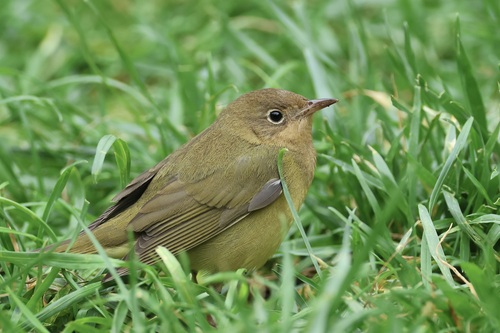 Reinita de Connecticut
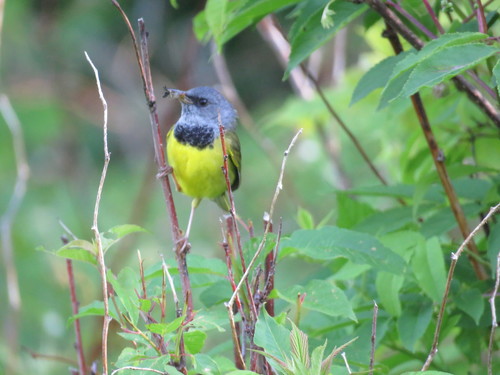 Reinita Plañidera
En breve
La marca de campo más confiable para separar la Reinita de Connecticut de la Reinita Plañidera en todos los plumajes es el anillo ocular: la Reinita de Connecticut siempre muestra un anillo ocular audaz y completo, mientras que la Reinita Plañidera nunca tiene un anillo ocular completo; las hembras y los inmaduros tienen uno incompleto o roto. Para los inmaduros, también verifica el color del pecho: la Reinita de Connecticut es más pálida y blanca por debajo, mientras que la Reinita Plañidera es más amarillenta. Los machos adultos de ambas especies tienen capuchas grises, pero solo los machos de la Reinita Plañidera muestran una mancha negra en la garganta y el pecho, y loretes negros. Ambas tienen partes inferiores amarillas y partes superiores oliváceas, pero prestar atención cuidadosa a estos sutiles detalles faciales y de garganta es clave, especialmente en otoño o con aves jóvenes.
Consejos de identificación
- Anillo ocular (todas las edades): La Reinita de Connecticut siempre tiene un audaz y completo anillo ocular blanco. La Reinita Plañidera nunca tiene un anillo ocular completo; las hembras y los inmaduros muestran solo uno roto o incompleto. Esta es la marca de campo más confiable en todas las estaciones y edades.
- Color del pecho y la garganta en inmaduros: La Reinita de Connecticut inmadura tiene un pecho y una garganta más pálidos y blancos, mientras que la Reinita Plañidera inmadura es más amarillenta o lavada de oliva por debajo. Usa esto junto con el anillo ocular, especialmente en otoño.
- Garganta y capucha de machos adultos: Los machos de la Reinita Plañidera tienen una capucha gris con una mancha negra en la garganta y el pecho y loretes negros. Los machos de la Reinita de Connecticut tienen una capucha gris simple sin negro en la garganta y una cara pálida y sin marcas.
- Patrón facial de hembras/inmaduros: Las hembras y los inmaduros de la Reinita de Connecticut son marrones con un anillo ocular completo y una garganta blanquecina. Las hembras y los inmaduros de la Reinita Plañidera tienen una cabeza marrón grisácea, anillo ocular incompleto y una garganta amarilla-grisácea con un tinte marrón u oliváceo en el pecho.
- Pico y patas: Ambas tienen picos delgados y puntiagudos y patas rosadas; estas características no son útiles para la separación.
- Partes superiores: Ambas son de color verde olivo por encima, pero la Reinita de Connecticut puede parecer ligeramente más pálida en general, especialmente en inmaduros.
- Partes inferiores: Ambas muestran partes inferiores amarillas, pero la Reinita de Connecticut es más pálida, especialmente en el pecho y la garganta, mientras que la Reinita Plañidera es más uniformemente amarilla o amarilla-olivácea.
- Estructura de la cola y las alas: No se notan diferencias fuertes en la forma de la cola o la fórmula alar; ambas son proporciones típicas de reinita.
- Comportamiento: La Reinita de Connecticut a menudo camina por el suelo y mueve su cola, mientras que la Reinita Plañidera forrajea bajo en vegetación densa y es menos probable que se vea caminando por el suelo.
- Preferencia de hábitat: En la temporada de cría, la Reinita Plañidera prefiere matorrales densos y en regeneración; la Reinita de Connecticut es más probable que se encuentre en bosques abiertos, boreales o de madera mixta con un sotobosque menos denso.
- Cambios estacionales: La mancha negra en la garganta del macho de la Reinita Plañidera se desvanece en otoño, haciéndolos más similares a la Reinita de Connecticut, pero la diferencia del anillo ocular sigue siendo confiable.
- Confusión con otras especies: Ambas pueden confundirse con la Reinita de MacGillivray y la Reinita de Nashville, pero entre estas dos, el anillo ocular y el color de la garganta son las marcas más útiles.
- Contexto grupal: La Reinita de Connecticut es más solitaria, mientras que la Reinita Plañidera puede unirse a bandadas mixtas o encontrarse en pequeños grupos durante la migración.
- Tamaño: La Reinita de Connecticut es ligeramente más grande y pesada, pero esto rara vez es obvio en el campo a menos que ambas se vean juntas.
- Vistas de vuelo: Si solo se obtiene una breve vista de vuelo, concéntrate en la cara: un anillo ocular fuerte y completo apunta a la Reinita de Connecticut; un anillo ocular roto o tenue sugiere la Reinita Plañidera.
Tamaño
Ambas especies son similares en tamaño y estructura generales, pero la Reinita de Connecticut es ligeramente más grande y pesada en promedio. La Reinita de Connecticut mide de 13 a 15 cm de longitud con una envergadura de 22 a 23 cm, y los adultos pueden pesar hasta 15 g o incluso 25 g antes de la migración. La Reinita Plañidera es un poco más pequeña, variando de 10 a 15 cm de longitud, con una envergadura de 18 cm y una masa promedio de aproximadamente 11.9 g. En el campo, esta diferencia de tamaño es sutil y rara vez es diagnóstica a menos que ambas se vean juntas.
Plumaje
- Plumaje inmaduro/juvenil: La característica más diagnóstica es el anillo ocular: la Reinita de Connecticut (todas las edades) muestra un fuerte y completo anillo ocular blanco, mientras que la Reinita Plañidera (inmadura/hembra) tiene solo un anillo ocular roto o incompleto. Las Reinita de Connecticut inmaduras también tienen una garganta y un pecho más pálidos y blancos, contrastando con las partes inferiores amarillentas y más lavadas de oliva de las Reinita Plañidera inmaduras.
- Machos adultos: Ambas tienen capuchas grises, pero los machos de la Reinita Plañidera tienen una mancha negra en la garganta y el pecho y loretes negros, mientras que los machos de la Reinita de Connecticut carecen de negro en la garganta y tienen una capucha gris más simple. La capucha y la mancha negra de la Reinita Plañidera se desvanecen en otoño, volviéndose menos distintas, pero la falta de un anillo ocular completo sigue siendo una diferencia clave.
- Hembras: Las hembras de la Reinita de Connecticut son más marrones con un anillo ocular completo y una garganta blanquecina, mientras que las hembras de la Reinita Plañidera son marrón grisáceo en la cabeza, tienen un anillo ocular incompleto y una garganta amarilla-grisácea con un tinte marrón u oliváceo en el pecho.
- Partes superiores e inferiores: Ambas son olivas por encima y amarillas por debajo, pero la Reinita de Connecticut tiende a ser más pálida y más lavada por debajo, especialmente en inmaduros.
Comportamiento
La Reinita de Connecticut es más solitaria y a menudo forrajea en el suelo, caminando y moviendo su cola de una manera que recuerda a los reyezuelos o a los playeros. La Reinita Plañidera es más probable que forrajee bajo en vegetación densa, a lo largo de ramas, y ocasionalmente atrapa insectos en vuelo. Ambas especies se alimentan de insectos y algo de fruta, pero la caminata por el suelo y el movimiento de cola de la Reinita de Connecticut son comportamientos más distintivos. La Reinita Plañidera también es más probable que se encuentre en pequeños grupos o bandadas de especies mixtas durante la migración.
Hábitat
La Reinita de Connecticut prefiere bosques más abiertos, a menudo boreales o de madera mixta, y a menudo se encuentra en el suelo o en vegetación baja. La Reinita Plañidera favorece matorrales densos de segundo crecimiento, claros en regeneración y hábitats arbustivos, especialmente en áreas perturbadas por la tala o tormentas. Si bien ambas pueden superponerse en migración, la Reinita Plañidera está más estrechamente vinculada a hábitats densos y en regeneración, mientras que la Reinita de Connecticut es más probable que se encuentre en áreas abiertas y menos arbustivas.
Reinita de Connecticut · Reinita Plañidera · Mis aves difíciles