

Avetorillo Canelo vs Avetorillo Manchú
Botaurus cinnamomeus frente a Botaurus eurhythmus
Juega un quiz con Avetorillo Canelo y Avetorillo Manchú
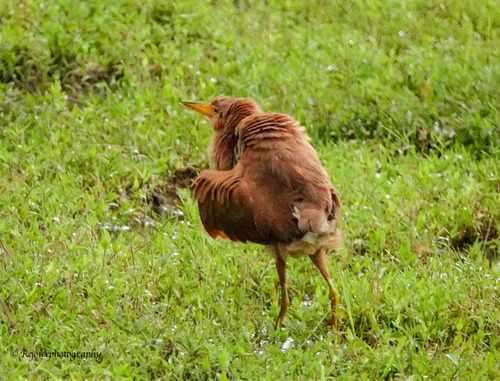 Avetorillo Canelo
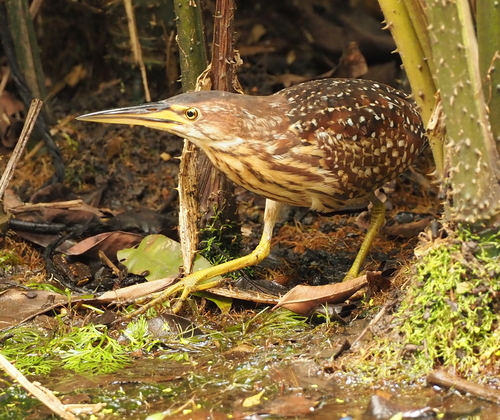 Avetorillo Manchú
En breve
La marca de campo más confiable entre el Avetorillo Canelo y el Avetorillo Manchú es la presencia de plumas de vuelo y cola negras visibles en vuelo en el Avetorillo Manchú de todas las edades, que el Avetorillo Canelo no tiene. Para las aves posadas, los machos adultos de ambas especies son similares por encima, pero las hembras y especialmente los juveniles difieren: los juveniles de Avetorillo Canelo están fuertemente estriados por debajo, mientras que los de Avetorillo Manchú están estriados pero también muestran motas blancas por encima. El Avetorillo Canelo es ligeramente más grande y de cuello más largo. Ambas especies pueden congelarse en la postura clásica de avetorillo, lo que dificulta la separación a menos que veas claramente las alas o las partes inferiores.
Consejos de identificación
- Plumas de vuelo y cola negras (solo Avetorillo Manchú): En cualquier edad o sexo, el Avetorillo Manchú muestra plumas de vuelo y cola negras en vuelo, una clara separación del Avetorillo Canelo, que tiene alas uniformemente canela o marrones.
- Partes inferiores juveniles: Los juveniles de Avetorillo Canelo están fuertemente estriados de marrón por debajo pero carecen de moteado blanco por encima. Los juveniles de Avetorillo Manchú son castaños con motas blancas por encima y estrías blancas por debajo.
- Partes superiores de las hembras: La hembra de Avetorillo Canelo tiene un dorso y una corona marrones (no castaños), mientras que la hembra de Avetorillo Manchú es castaña por completo con motas blancas por encima.
- Partes superiores de los machos: Ambos machos adultos son de un rico color castaño/canela por encima y de color crema por debajo, pero el Avetorillo Manchú tiene castaño en las coberturas alares y negro en las alas (visible en vuelo), mientras que el Avetorillo Canelo es más uniformemente canela por encima.
- Aves posadas: En la postura clásica de avetorillo, verifica el color y el patrón del dorso, la corona y las partes inferiores. El moteado por encima (Avetorillo Manchú) frente al marrón liso (Avetorillo Canelo) ayuda, especialmente en hembras y juveniles.
- Pico y patas: Ambos tienen picos algo largos, pero el de Avetorillo Manchú se describe como amarillo, lo que puede ayudar en buena luz. El color de las patas no es un separador fuerte en estas notas.
- Tamaño: El Avetorillo Canelo es ligeramente más grande y robusto, pero esto es sutil y poco confiable a menos que ambos se vean juntos.
- Distribución y temporada: El Avetorillo Canelo es residente en gran parte de Asia tropical; el Avetorillo Manchú es migratorio, criando más al norte y invernando al sur. En el sudeste asiático durante la migración/invierno, ambos pueden ocurrir juntos.
- Hábitat: Ambos utilizan lechos de juncos y pantanos; el hábitat no es un separador confiable donde las distribuciones se superponen.
- Comportamiento: Ambos se congelan en la postura clásica de avetorillo cuando se alarman; el comportamiento no es un separador.
- Diferencias sexuales: Los plumajes de hembras y juveniles son más distintos entre las dos especies que los machos adultos. Enfócate en el color de las partes superiores (marrón vs. castaño), el moteado y el estriado de las partes inferiores.
- Vistas de vuelo: Siempre intenta ver la parte superior del ala y la cola en vuelo; el negro en estas áreas es diagnóstico para el Avetorillo Manchú.
- Postura de guardia: Ambas especies asumen la postura erguida y con el cuello estirado, así que no confíes en esto para la identificación.
- Trampas de plumaje: Los machos adultos son los más similares; confía en las marcas de vuelo o en diferencias sutiles en el tono castaño y el color de las coberturas alares si es posible.
- Voz: No se notan diferencias vocales diagnósticas en las fuentes.
Tamaño
El Avetorillo Canelo es ligeramente más grande (38–41 cm de longitud, 49.5 cm de envergadura, 89.5–164 g) que el Avetorillo Manchú (33–39 cm de longitud). Ambos tienen cuellos cortos y picos algo largos, pero el Avetorillo Canelo promedia un poco más robusto y largo. En el campo, esta diferencia es sutil y puede no ser confiable a menos que ambas especies se vean una al lado de la otra.
Plumaje
- En vuelo (todas las edades): El Avetorillo Manchú siempre muestra plumas de vuelo y cola negras, un fuerte contraste con las partes superiores castañas o canela. El Avetorillo Canelo carece de este negro; sus alas son uniformemente canela o marrones por encima.
- Machos adultos: Ambos son de un rico color castaño/canela por encima y de color crema por debajo, pero el Avetorillo Manchú tiene castaño en las coberturas alares también, y el negro en las alas es diagnóstico en vuelo.
- Hembras: Las hembras de Avetorillo Canelo tienen dorsos y coronas marrones, crema por debajo; las hembras de Avetorillo Manchú son castañas por completo con motas blancas por encima y estrías blancas por debajo.
- Juveniles: Los juveniles de Avetorillo Canelo son como las hembras pero fuertemente estriados de marrón por debajo (sin moteado por encima). Los juveniles de Avetorillo Manchú son castaños con motas blancas por encima y estrías blancas por debajo, y también muestran negro en las alas y la cola en vuelo.
- Posados: Ambas especies pueden parecer similares en la postura clásica de avetorillo, pero busca los patrones de moteado y estriado, y si es posible, el color del dorso y la corona.
Comportamiento
Ambas especies se congelan con los cuellos estirados y los picos apuntando hacia el cielo cuando se alarman, mezclándose con los juncos. No se nota una fuerte diferencia de comportamiento en las fuentes, aunque el Avetorillo Canelo se describe como más residente, mientras que el Avetorillo Manchú es migratorio. En el campo, su comportamiento cuando son asustados o perturbados es similar.
Hábitat
Ambas especies ocupan lechos de juncos y humedales pantanosos, pero sus rangos se superponen principalmente en Asia Oriental y Sudeste Asiático. El Avetorillo Canelo es más amplio en Asia tropical y subtropical (India a Indonesia), generalmente residente. El Avetorillo Manchú cría más al norte (Siberia, China, Corea, Japón) e inverna más al sur (Península de Malaca, Grandes Islas de la Sonda, Célebes, Filipinas). En migración o invierno, ambos pueden ocurrir juntos en el sudeste asiático, por lo que el hábitat solo no es diagnóstico.