

Zopilote Negro
Coragyps atratus
New World Vultures (Cathartidae) · Cathartiformes · Buitres, Gavilanes y Afines
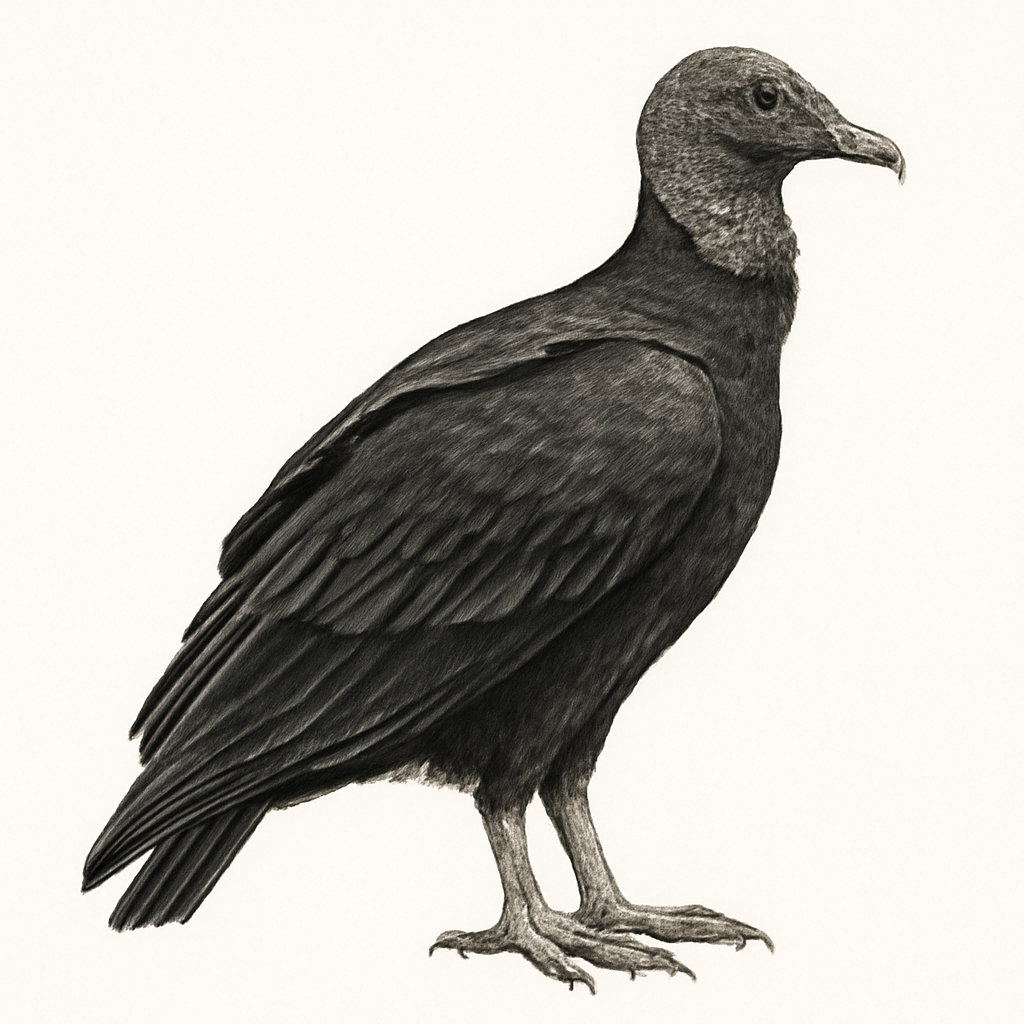
Juega un quiz con Zopilote Negro y especies parecidas
Ver todas las fotos, vídeo y sonido
Revisión necesaria
Motmot es un proyecto de comunidad, y muchas fotos aún necesitan un visto humano. Si conoces esta ave, puedes ayudar revisando sus imágenes.
O-o, se nos acabaron los créditos de IA. Desarrollo Motmot en mi tiempo libre, y ahora mismo no hay financiación. Si te apetece ayudar a que crezca, escríbeme a info@motmot.club.
Cómo identificar Zopilote Negro
Escribiendo las notas de identificación…
Busca notas de identificación en fuentes abiertas y luego pide al modelo que las redacte. Puede tardar un minuto.
Inicia sesión para generar notas de identificación de esta ave.
A menudo se confunde con
En los quizzes, los jugadores suelen confundir Zopilote Negro con estas aves: o se eligió esta especie por error, o al revés.
| Especies | Confusiones |
|---|---|
| Aura Gallipavo Cathartes aura | 6 |
| Cóndor Californiano Gymnogyps californianus | 3 |
| Busardo Caminero Rupornis magnirostris | 2 |
| Tangara Picoplata Ramphocelus carbo | 2 |
| Negrón Aliblanco Melanitta deglandi | 1 |
Familia
Cathartidae, commonly known as New World vultures and condors, are a family of birds of prey consisting of seven extant species in five genera. It includes five extant vultures and two extant condors found in the Americas. They are known as "New World" vultures to distinguish them from Old World vultures, with which the Cathartidae does not form a single clade despite the two being similar in appearance and behavior as a result of convergent evolution.
Orden
Cathartiformes is a former order of scavenging birds which included the New World vultures and the now-extinct Teratornithidae. Unlike many Old World vultures, Cathartiformes lack talons and musculature in their feet suitable for seizing prey. In the past, they were considered to be a sister group to the storks of the order Ciconiiformes based on DNA–DNA hybridization and morphology.