

Zamboanga Bulbul vs Malagasy Bulbul
Hypsipetes rufigularis versus Hypsipetes madagascariensis
Play a quiz with Zamboanga Bulbul and Malagasy Bulbul
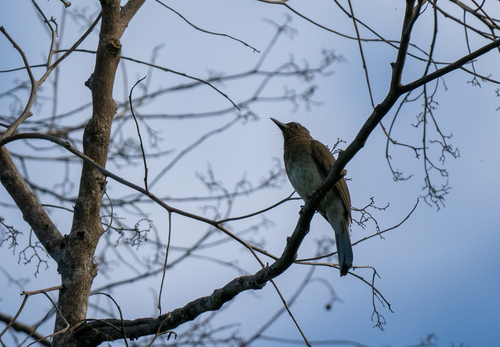 Zamboanga Bulbul
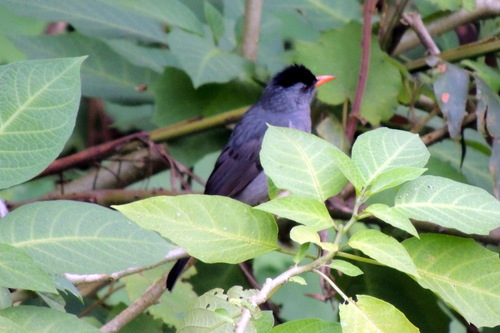 Malagasy Bulbul
In short
The most reliable separation between Zamboanga Bulbul and Malagasy Bulbul is overall size and throat pattern: Zamboanga Bulbul is notably larger and lacks any throat streaking, while Malagasy Bulbul is smaller and may show some streaking. Both are Hypsipetes bulbuls with similar overall structure, but Zamboanga Bulbul is endemic to the Philippines and found only in intact lowland forests, whereas Malagasy Bulbul is restricted to Madagascar and nearby islands. In the field, habitat and range are usually decisive, but if seen together, focus on size and throat pattern. There are no detailed accounts of age-specific wing or flight marks for either species, so separation relies on structure and subtle plumage differences.
Identification tips
- Geographic range is usually decisive: Zamboanga Bulbul is only found in the Zamboanga Peninsula and Basilan (Philippines); Malagasy Bulbul is only in Madagascar and nearby islands. If you are outside these areas, you can rule out one species immediately.
- Overall size: Zamboanga Bulbul is much larger and heavier (59 g) than Malagasy Bulbul. Look for a bulkier, more robust bird when comparing the two.
- Throat pattern: Zamboanga Bulbul lacks throat streaking, while Malagasy Bulbul may show some streaking. This is a key mark when seen well.
- Plumage structure: Both species have the typical Hypsipetes look, but Zamboanga Bulbul appears larger and more solid, while Malagasy Bulbul is more slender.
- Habitat context: Zamboanga Bulbul is restricted to primary and mature secondary lowland forests; Malagasy Bulbul is found in a wider range of forest types in Madagascar. If you are in disturbed or secondary forest in the Philippines, check carefully, but Zamboanga Bulbul prefers intact forest.
- Feeding behavior: Both species visit fruiting trees, so this is not a reliable separator, but Zamboanga Bulbul may be seen more often in undisturbed forest.
- No known age-specific flight marks: There are no described juvenile or immature wing patterns to separate these species in flight, so rely on size and throat pattern.
- No seasonal or sex-based differences: Neither species is known to show significant seasonal or sexual dimorphism in plumage.
- Bill and structural features: No distinctive differences in bill shape or length are described between these two species; both have the typical Hypsipetes bill.
- Vocalizations: No comparative vocal descriptions are available, so do not rely on song or call for separation.
- Potential confusion with other Hypsipetes: Be aware that Malagasy Bulbul is sometimes called 'black bulbul,' but this should not be confused with Hypsipetes leucocephalus (Asian Black Bulbul), which does not overlap in range with Zamboanga Bulbul.
- Conservation context: Zamboanga Bulbul is near-threatened due to habitat loss, so sightings outside protected or intact forest are increasingly rare.
- When in doubt: If you cannot see the throat or judge size, use location and habitat as your primary clues.
- No known differences in flight style or tail shape: Both species are expected to have similar flight and tail structure typical of the genus.
- If seen together (unlikely in the wild): Focus on the larger size and unstreaked throat of Zamboanga Bulbul for a positive identification.
Size
Zamboanga Bulbul is significantly heavier, with an average body mass of 59.0 g [wikidata], making it a much bulkier bird than Malagasy Bulbul (no direct mass given, but all sources agree it is smaller). This size difference should be apparent if both species are seen side by side or compared with familiar bulbuls. Zamboanga Bulbul's larger size is a key field mark, especially when perched or feeding in fruiting trees.
Plumage
There are no detailed descriptions of juvenile or immature wing patterns for either species in the available sources, so age-specific flight marks cannot be used for separation. For adults, Zamboanga Bulbul is characterized by its lack of throat streaking and overall larger, more robust appearance. Malagasy Bulbul, while also a dark Hypsipetes, may show some streaking on the throat and is generally smaller and more slender. Both species share a similar overall coloration typical of the genus, but the absence of throat streaking is a reliable mark for Zamboanga Bulbul. No seasonal or sex-based plumage differences are described for either species.
Behaviour
Both species are primarily frugivorous and are often seen visiting fruiting trees. Zamboanga Bulbul is presumed to supplement its diet with insects, but detailed behavioral differences are not described. There is no information on distinctive flight style, foraging behavior, or social structure that would help separate the two in the field. Both can be expected to behave like typical bulbuls, moving actively through the canopy and subcanopy.
Habitat
Zamboanga Bulbul is strictly found in primary and mature secondary lowland forests of Basilan and the Zamboanga Peninsula in the Philippines, and is most common in intact forest. Malagasy Bulbul is endemic to Madagascar and nearby islands, occupying a range of forest types there. Thus, geographic location is usually the most decisive factor: any bulbul in the Philippines' Zamboanga region is Zamboanga Bulbul, while those in Madagascar are Malagasy Bulbul. Habitat overlap is not possible in the wild.