

Motmot

ミンダナオチャムネヒヨドリ 対 クロヒヨドリ

Hypsipetes rufigularis 対 Hypsipetes madagascariensis

ミンダナオチャムネヒヨドリとクロヒヨドリのクイズ
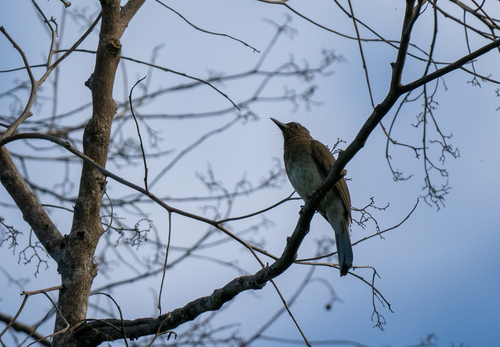
ミンダナオチャムネヒヨドリ (Hypsipetes rufigularis) ミンダナオチャムネヒヨドリ
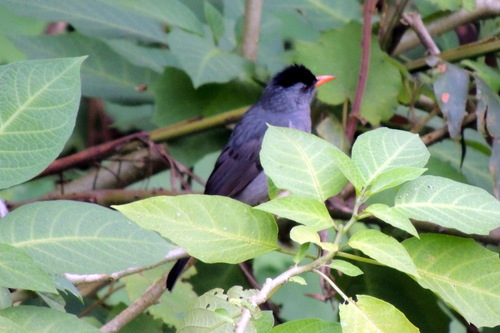
クロヒヨドリ (Hypsipetes madagascariensis) クロヒヨドリ

メディア

読み込み中…

要点

ザンボアンガクロヒヨドリとクロヒヨドリの最も信頼できる区別は、全体のサイズと喉の模様です:ザンボアンガクロヒヨドリは明らかに大きく、喉にストリークがないのに対し、クロヒヨドリは小さく、いくつかのストリークを示すことがあります。両者は構造が似たヒプシペテスのヒヨドリですが、ザンボアンガクロヒヨドリはフィリピンに特有で、完全な低地の森林にのみ生息していますが、クロヒヨドリはマダガスカルとその近くの島々に限定されています。現地では、生息地と範囲が通常決定的ですが、一緒に見られた場合は、サイズと喉の模様に注目してください。どちらの種についても年齢特有の翼や飛行のマークに関する詳細な記録はないため、構造と微妙な羽毛の違いに基づいて区別します。

識別のコツ

  1. 地理的範囲は通常決定的:ザンボアンガクロヒヨドリはザンボアンガ半島とバシラン(フィリピン)にのみ見られ、クロヒヨドリはマダガスカルとその近くの島々にのみ生息しています。これらの地域の外にいる場合は、すぐに一方の種を除外できます。
  2. 全体のサイズ:ザンボアンガクロヒヨドリはクロヒヨドリよりもはるかに大きく、重い(59 g)です。両者を比較する際には、より大きくて頑丈な鳥を探してください。
  3. 喉の模様:ザンボアンガクロヒヨドリは喉にストリークがなく、クロヒヨドリはストリークを示すことがあります。これは、よく見たときの重要なマークです。
  4. 羽毛の構造:両種は典型的なヒプシペテスの外観を持っていますが、ザンボアンガクロヒヨドリはより大きく、よりしっかりとした印象を与え、クロヒヨドリはより細身です。
  5. 生息地の文脈:ザンボアンガクロヒヨドリは一次および成熟した二次低地森林に限定され、クロヒヨドリはマダガスカルのさまざまな森林タイプに生息しています。フィリピンの乱れた森林や二次森林にいる場合は注意深く確認してくださいが、ザンボアンガクロヒヨドリは完全な森林を好みます。
  6. 採餌行動:両種は果実を実らせた木を訪れるため、これは信頼できる区別要因ではありませんが、ザンボアンガクロヒヨドリは乱れのない森林でより頻繁に見られるかもしれません。
  7. 年齢特有の飛行マークは知られていない:これらの種を飛行中に区別するための幼鳥や未熟な翼のパターンは記載されていないため、サイズと喉の模様に頼ってください。
  8. 季節的または性別に基づく違いは知られていない:どちらの種も羽毛において顕著な季節的または性的二形性を示すことは知られていません。
  9. くちばしと構造的特徴:これらの2種の間でくちばしの形状や長さにおいて特に異なる点は記載されておらず、両者とも典型的なヒプシペテスのくちばしを持っています。
  10. 鳴き声:比較のための鳴き声の記述は利用できないため、歌や呼び声に頼って区別しないでください。
  11. 他のヒプシペテスとの混同の可能性:クロヒヨドリは時々「黒ヒヨドリ」と呼ばれることがありますが、これはザンボアンガクロヒヨドリと範囲が重ならないヒプシペテス・レウコケファルス(アジアシロガシラクロヒヨドリ)と混同しないでください。
  12. 保全の文脈:ザンボアンガクロヒヨドリは生息地の喪失により近危惧種であり、保護された森林や完全な森林の外での目撃はますます稀になっています。
  13. 疑わしい場合:喉が見えない場合やサイズを判断できない場合は、位置と生息地を主な手がかりとして使用してください。
  14. 飛行スタイルや尾の形状における違いは知られていない:両種は、属に典型的な類似の飛行および尾の構造を持つと予想されます。
  15. 一緒に見られた場合(野生ではありそうにない):ザンボアンガクロヒヨドリのより大きなサイズとストリークのない喉に注目して、正確な同定を行ってください。

大きさ

ザンボアンガクロヒヨドリは明らかに重く、平均体重は59.0 g [wikidata]で、クロヒヨドリよりもはるかに大きな鳥です(直接の質量は記載されていませんが、すべての情報源がそれが小さいことに同意しています)。このサイズの違いは、両種が並んで見られたり、馴染みのあるヒヨドリと比較されたりすると明らかになるはずです。ザンボアンガクロヒヨドリの大きなサイズは、特に果実を実らせた木に止まっているときや餌を食べているときの重要なフィールドマークです。

羽色

利用可能な情報源には、どちらの種の幼鳥や未熟な翼のパターンに関する詳細な記述はないため、年齢特有の飛行マークを使用して区別することはできません。成鳥の場合、ザンボアンガクロヒヨドリは喉にストリークがないことと、全体的に大きく、より頑丈な外観が特徴です。クロヒヨドリは、暗いヒプシペテスであるにもかかわらず、喉にいくつかのストリークを示すことがあり、一般的に小さく、より細身です。両種は属に典型的な類似の全体的な色合いを共有していますが、喉のストリークがないことはザンボアンガクロヒヨドリの信頼できるマークです。どちらの種についても季節的または性別に基づく羽毛の違いは記載されていません。

行動

両種は主に果実食性であり、果実を実らせた木を訪れることがよくあります。ザンボアンガクロヒヨドリは昆虫で食事を補うと考えられていますが、詳細な行動の違いは記載されていません。フィールドでこれらの2種を区別するのに役立つ特異な飛行スタイル、採餌行動、または社会構造に関する情報はありません。両者は典型的なヒヨドリのように行動し、樹冠や亜樹冠を活発に移動することが期待されます。

生息環境

ザンボアンガクロヒヨドリはフィリピンのバシランとザンボアンガ半島の一次および成熟した二次低地森林に厳密に生息し、完全な森林で最も一般的です。クロヒヨドリはマダガスカルとその近くの島々に特有で、そこにさまざまな森林タイプを占めています。したがって、地理的位置は通常最も決定的な要因です:フィリピンのザンボアンガ地域にいるヒヨドリはザンボアンガクロヒヨドリであり、マダガスカルにいるものはクロヒヨドリです。野生では生息地の重複は不可能です。

より良い説明を送る

比較と同じ項目を使ってください。文章はすぐに公開されます。

The most reliable separation between Zamboanga Bulbul and Malagasy Bulbul is overall size and throat pattern: Zamboanga Bulbul is notably larger and lacks any throat streaking, while Malagasy Bulbul is smaller and may show some streaking. Both are Hypsipetes bulbuls with similar overall structure, but Zamboanga Bulbul is endemic to the Philippines and found only in intact lowland forests, whereas Malagasy Bulbul is restricted to Madagascar and nearby islands. In the field, habitat and range are usually decisive, but if seen together, focus on size and throat pattern. There are no detailed accounts of age-specific wing or flight marks for either species, so separation relies on structure and subtle plumage differences.

  1. Geographic range is usually decisive: Zamboanga Bulbul is only found in the Zamboanga Peninsula and Basilan (Philippines); Malagasy Bulbul is only in Madagascar and nearby islands. If you are outside these areas, you can rule out one species immediately.
  2. Overall size: Zamboanga Bulbul is much larger and heavier (59 g) than Malagasy Bulbul. Look for a bulkier, more robust bird when comparing the two.
  3. Throat pattern: Zamboanga Bulbul lacks throat streaking, while Malagasy Bulbul may show some streaking. This is a key mark when seen well.
  4. Plumage structure: Both species have the typical Hypsipetes look, but Zamboanga Bulbul appears larger and more solid, while Malagasy Bulbul is more slender.
  5. Habitat context: Zamboanga Bulbul is restricted to primary and mature secondary lowland forests; Malagasy Bulbul is found in a wider range of forest types in Madagascar. If you are in disturbed or secondary forest in the Philippines, check carefully, but Zamboanga Bulbul prefers intact forest.
  6. Feeding behavior: Both species visit fruiting trees, so this is not a reliable separator, but Zamboanga Bulbul may be seen more often in undisturbed forest.
  7. No known age-specific flight marks: There are no described juvenile or immature wing patterns to separate these species in flight, so rely on size and throat pattern.
  8. No seasonal or sex-based differences: Neither species is known to show significant seasonal or sexual dimorphism in plumage.
  9. Bill and structural features: No distinctive differences in bill shape or length are described between these two species; both have the typical Hypsipetes bill.
  10. Vocalizations: No comparative vocal descriptions are available, so do not rely on song or call for separation.
  11. Potential confusion with other Hypsipetes: Be aware that Malagasy Bulbul is sometimes called 'black bulbul,' but this should not be confused with Hypsipetes leucocephalus (Asian Black Bulbul), which does not overlap in range with Zamboanga Bulbul.
  12. Conservation context: Zamboanga Bulbul is near-threatened due to habitat loss, so sightings outside protected or intact forest are increasingly rare.
  13. When in doubt: If you cannot see the throat or judge size, use location and habitat as your primary clues.
  14. No known differences in flight style or tail shape: Both species are expected to have similar flight and tail structure typical of the genus.
  15. If seen together (unlikely in the wild): Focus on the larger size and unstreaked throat of Zamboanga Bulbul for a positive identification.

Zamboanga Bulbul is significantly heavier, with an average body mass of 59.0 g [wikidata], making it a much bulkier bird than Malagasy Bulbul (no direct mass given, but all sources agree it is smaller). This size difference should be apparent if both species are seen side by side or compared with familiar bulbuls. Zamboanga Bulbul's larger size is a key field mark, especially when perched or feeding in fruiting trees.

There are no detailed descriptions of juvenile or immature wing patterns for either species in the available sources, so age-specific flight marks cannot be used for separation. For adults, Zamboanga Bulbul is characterized by its lack of throat streaking and overall larger, more robust appearance. Malagasy Bulbul, while also a dark Hypsipetes, may show some streaking on the throat and is generally smaller and more slender. Both species share a similar overall coloration typical of the genus, but the absence of throat streaking is a reliable mark for Zamboanga Bulbul. No seasonal or sex-based plumage differences are described for either species.

Both species are primarily frugivorous and are often seen visiting fruiting trees. Zamboanga Bulbul is presumed to supplement its diet with insects, but detailed behavioral differences are not described. There is no information on distinctive flight style, foraging behavior, or social structure that would help separate the two in the field. Both can be expected to behave like typical bulbuls, moving actively through the canopy and subcanopy.

Zamboanga Bulbul is strictly found in primary and mature secondary lowland forests of Basilan and the Zamboanga Peninsula in the Philippines, and is most common in intact forest. Malagasy Bulbul is endemic to Madagascar and nearby islands, occupying a range of forest types there. Thus, geographic location is usually the most decisive factor: any bulbul in the Philippines' Zamboanga region is Zamboanga Bulbul, while those in Madagascar are Malagasy Bulbul. Habitat overlap is not possible in the wild.

変更を破棄しますか?

保存していない編集があります。今離れると失われます。

ミンダナオチャムネヒヨドリ · クロヒヨドリ · 苦手な鳥