

Motmot

White-spectacled Warbler vs Stripe-throated Yuhina

Phylloscopus intermedius versus Yuhina gularis

Play a quiz with White-spectacled Warbler and Stripe-throated Yuhina
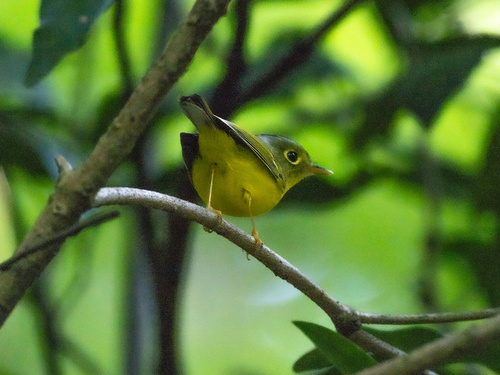
White-spectacled Warbler (Phylloscopus intermedius) White-spectacled Warbler
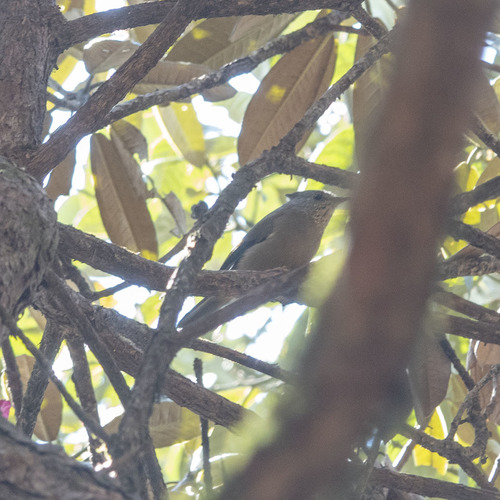
Stripe-throated Yuhina (Yuhina gularis) Stripe-throated Yuhina

Media

Loading…

In short

The most reliable way to separate White-spectacled Warbler from Stripe-throated Yuhina is by overall structure and facial pattern: the warbler is a slim, active leaf warbler with a distinct pale eyering ('spectacles'), while the yuhina is a chunkier bird with a short bill and a bold, streaked throat. In the field, White-spectacled Warbler moves with typical warbler restlessness and lacks the yuhina’s social, acrobatic flocking behavior. Both can occur in overlapping montane forests, but the yuhina is more likely in mixed-species flocks and at higher elevations. If you see a small, slim bird with a clear eyering and no throat streaks, it’s the warbler; a thicker-set bird with a striped throat and short bill is the yuhina.

Identification tips

  1. Eyering ('spectacles'): White-spectacled Warbler always shows a clear, pale eyering that stands out on a plain face; Stripe-throated Yuhina’s eyering is faint or absent, and the face is busier.
  2. Throat pattern: Stripe-throated Yuhina has bold, dark streaks on the throat (hence the name), visible at close range; White-spectacled Warbler’s throat is plain and unstreaked at all ages.
  3. Bill shape: The warbler’s bill is fine, slender, and pointed, suited for insect-gleaning; the yuhina’s bill is short, thick, and slightly conical, more like a white-eye or tit.
  4. Body shape: White-spectacled Warbler is slim and elongated with a relatively long tail; Stripe-throated Yuhina is compact, chunky, and often appears big-headed, especially if the crest is raised.
  5. Crest: Stripe-throated Yuhina may show a small, pointed crest, especially when excited; White-spectacled Warbler never shows a crest.
  6. Face pattern: The warbler’s face is plain except for the eyering; the yuhina has a dark line through the eye and a more complex facial pattern.
  7. Behavior: Warbler is restless, solitary or in loose pairs, and flicks wings and tail; yuhina is highly social, flocking, and acrobatic, often hanging or clambering.
  8. Habitat context: Both can be in montane forest, but yuhina prefers higher elevations and denser, mossy woods; warbler can occur lower down as well.
  9. Flocking: A single small bird is more likely a warbler; a tight, noisy group is probably yuhinas.
  10. Perched posture: Warbler often sits horizontally, tail flicking; yuhina may perch upright, sometimes with crest raised.
  11. Foraging style: Warbler gleans insects from leaves, often moving quickly; yuhina may probe flowers or buds and is more versatile in feeding behavior.
  12. Flight: Both are fast and agile, but yuhina’s flight is often in short bursts between perches in a flock, while warbler may move more continuously through foliage.
  13. Juvenile/immature confusion: No distinctive juvenile upperwing marks for either; rely on face and throat pattern at all ages.
  14. Voice: Not diagnostic with current notes; both are vocal, but calls are not described here.
  15. Pitfalls: Beware of poor views in dense foliage—look for the eyering and throat pattern first, then check bill and body shape.

Size

White-spectacled Warbler is a typical Phylloscopus warbler: small, slim, and lightweight, with a fine, pointed bill and a relatively long tail for its size. Stripe-throated Yuhina is noticeably chunkier, with a stubbier, conical bill and a more compact, rounded body shape. The yuhina’s head often looks large for its body, especially when its crest is raised. In direct comparison, the yuhina appears bulkier and less delicate than the warbler.

Plumage

No age-specific upperwing or flight marks are documented for either species, so focus on facial and throat patterns. White-spectacled Warbler of all ages shows a prominent pale eyering (the 'spectacles'), a plain face, and lacks any throat streaking. Stripe-throated Yuhina, by contrast, has a bold, dark-streaked throat and a less distinct eyering. The yuhina’s face is busier, with a dark line through the eye and often a small crest. These facial and throat features are consistent across ages and seasons for both species.

Behaviour

White-spectacled Warbler behaves like other leaf warblers: it is restless, often solitary or in loose pairs, and forages actively among foliage, flicking wings and tail. Stripe-throated Yuhina is much more social, usually seen in noisy, tight flocks, often with other yuhinas or mixed-species parties. It moves acrobatically, sometimes hanging upside down or clambering along branches, and is less likely to be seen alone. The yuhina’s behavior is more reminiscent of a tit or white-eye than a warbler.

Habitat

Both species occur in subtropical or tropical moist montane forests, and their ranges overlap from the Himalayas to southern China and Vietnam. White-spectacled Warbler can also be found in lowland forests, but Stripe-throated Yuhina is more restricted to montane habitats. In practice, yuhinas are more likely at higher elevations and in denser, mossy forests, while the warbler can be found at a broader range of altitudes.

Submit a better description

Use the same sections as the comparison. Your text is published immediately.

The most reliable way to separate White-spectacled Warbler from Stripe-throated Yuhina is by overall structure and facial pattern: the warbler is a slim, active leaf warbler with a distinct pale eyering ('spectacles'), while the yuhina is a chunkier bird with a short bill and a bold, streaked throat. In the field, White-spectacled Warbler moves with typical warbler restlessness and lacks the yuhina’s social, acrobatic flocking behavior. Both can occur in overlapping montane forests, but the yuhina is more likely in mixed-species flocks and at higher elevations. If you see a small, slim bird with a clear eyering and no throat streaks, it’s the warbler; a thicker-set bird with a striped throat and short bill is the yuhina.

  1. Eyering ('spectacles'): White-spectacled Warbler always shows a clear, pale eyering that stands out on a plain face; Stripe-throated Yuhina’s eyering is faint or absent, and the face is busier.
  2. Throat pattern: Stripe-throated Yuhina has bold, dark streaks on the throat (hence the name), visible at close range; White-spectacled Warbler’s throat is plain and unstreaked at all ages.
  3. Bill shape: The warbler’s bill is fine, slender, and pointed, suited for insect-gleaning; the yuhina’s bill is short, thick, and slightly conical, more like a white-eye or tit.
  4. Body shape: White-spectacled Warbler is slim and elongated with a relatively long tail; Stripe-throated Yuhina is compact, chunky, and often appears big-headed, especially if the crest is raised.
  5. Crest: Stripe-throated Yuhina may show a small, pointed crest, especially when excited; White-spectacled Warbler never shows a crest.
  6. Face pattern: The warbler’s face is plain except for the eyering; the yuhina has a dark line through the eye and a more complex facial pattern.
  7. Behavior: Warbler is restless, solitary or in loose pairs, and flicks wings and tail; yuhina is highly social, flocking, and acrobatic, often hanging or clambering.
  8. Habitat context: Both can be in montane forest, but yuhina prefers higher elevations and denser, mossy woods; warbler can occur lower down as well.
  9. Flocking: A single small bird is more likely a warbler; a tight, noisy group is probably yuhinas.
  10. Perched posture: Warbler often sits horizontally, tail flicking; yuhina may perch upright, sometimes with crest raised.
  11. Foraging style: Warbler gleans insects from leaves, often moving quickly; yuhina may probe flowers or buds and is more versatile in feeding behavior.
  12. Flight: Both are fast and agile, but yuhina’s flight is often in short bursts between perches in a flock, while warbler may move more continuously through foliage.
  13. Juvenile/immature confusion: No distinctive juvenile upperwing marks for either; rely on face and throat pattern at all ages.
  14. Voice: Not diagnostic with current notes; both are vocal, but calls are not described here.
  15. Pitfalls: Beware of poor views in dense foliage—look for the eyering and throat pattern first, then check bill and body shape.

White-spectacled Warbler is a typical Phylloscopus warbler: small, slim, and lightweight, with a fine, pointed bill and a relatively long tail for its size. Stripe-throated Yuhina is noticeably chunkier, with a stubbier, conical bill and a more compact, rounded body shape. The yuhina’s head often looks large for its body, especially when its crest is raised. In direct comparison, the yuhina appears bulkier and less delicate than the warbler.

No age-specific upperwing or flight marks are documented for either species, so focus on facial and throat patterns. White-spectacled Warbler of all ages shows a prominent pale eyering (the 'spectacles'), a plain face, and lacks any throat streaking. Stripe-throated Yuhina, by contrast, has a bold, dark-streaked throat and a less distinct eyering. The yuhina’s face is busier, with a dark line through the eye and often a small crest. These facial and throat features are consistent across ages and seasons for both species.

White-spectacled Warbler behaves like other leaf warblers: it is restless, often solitary or in loose pairs, and forages actively among foliage, flicking wings and tail. Stripe-throated Yuhina is much more social, usually seen in noisy, tight flocks, often with other yuhinas or mixed-species parties. It moves acrobatically, sometimes hanging upside down or clambering along branches, and is less likely to be seen alone. The yuhina’s behavior is more reminiscent of a tit or white-eye than a warbler.

Both species occur in subtropical or tropical moist montane forests, and their ranges overlap from the Himalayas to southern China and Vietnam. White-spectacled Warbler can also be found in lowland forests, but Stripe-throated Yuhina is more restricted to montane habitats. In practice, yuhinas are more likely at higher elevations and in denser, mossy forests, while the warbler can be found at a broader range of altitudes.

Discard your changes?

You have unsaved edits. If you leave now, those changes will be lost.

White-spectacled Warbler · Stripe-throated Yuhina · My Tricky Birds