

Motmot

メジロモリムシクイ 対 ノドフカンムリチメドリ

Phylloscopus intermedius 対 Yuhina gularis

メジロモリムシクイとノドフカンムリチメドリのクイズ
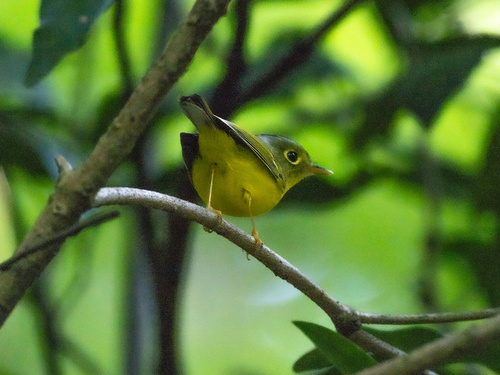
メジロモリムシクイ (Phylloscopus intermedius) メジロモリムシクイ
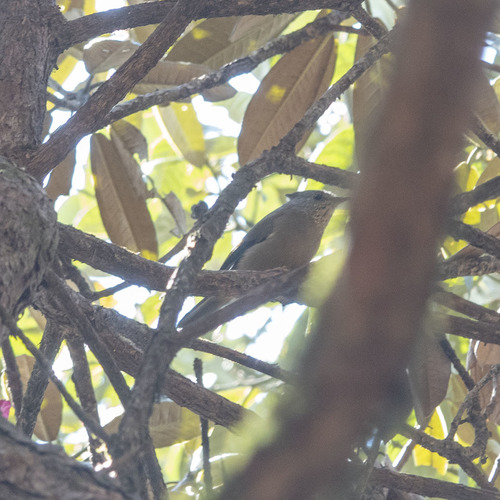
ノドフカンムリチメドリ (Yuhina gularis) ノドフカンムリチメドリ

メディア

読み込み中…

要点

ホワイトスペクタクルズウォーブラーとノドフカンムリチメドリを分ける最も信頼できる方法は、全体の構造と顔のパターンによるものです。ウォーブラーは、明確な淡いアイリング(「メガネ」)を持つスリムで活発な葉のウォーブラーであり、ノドフカンムリチメドリは、短いくちばしと大胆な縞模様の喉を持つずんぐりした鳥です。フィールドでは、ホワイトスペクタクルズウォーブラーは典型的なウォーブラーの落ち着きのなさで動き、ノドフカンムリチメドリの社交的でアクロバティックな群れ行動は欠けています。両者は重複する山地の森林に生息することがありますが、ノドフカンムリチメドリは混成種の群れや高い標高で見られる可能性が高いです。小さくてスリムな鳥を見かけ、明確なアイリングがあり、喉に縞模様がなければ、それはウォーブラーです。太めの体型で、縞模様の喉と短いくちばしを持つのがノドフカンムリチメドリです。

識別のコツ

  1. Eyering ('spectacles'): ホワイトスペクタクルズウォーブラーは常に明確で淡いアイリングを示し、平坦な顔で目立ちます。ノドフカンムリチメドリのアイリングは薄いか存在しないことがあり、顔は忙しいです。
  2. Throat pattern: ノドフカンムリチメドリは喉に大胆で暗い縞模様があります(そのため名前が付いています)、近距離で見ることができます。ホワイトスペクタクルズウォーブラーの喉は平坦で、年齢に関係なく縞模様はありません。
  3. Bill shape: ウォーブラーのくちばしは細く、スリムで尖っており、昆虫を採るのに適しています。ノドフカンムリチメドリのくちばしは短く、太く、わずかに円錐形で、白目やシジュウカラに似ています。
  4. Body shape: ホワイトスペクタクルズウォーブラーはスリムで細長く、比較的長い尾を持っています。ノドフカンムリチメドリはコンパクトでずんぐりしており、特に冠羽が立っているときは大きな頭に見えることがよくあります。
  5. Crest: ノドフカンムリチメドリは、特に興奮しているときに小さく尖った冠羽を示すことがあります。ホワイトスペクタクルズウォーブラーは冠羽を示すことはありません。
  6. Face pattern: ウォーブラーの顔はアイリングを除いて平坦です。ノドフカンムリチメドリは目を通る暗い線と、より複雑な顔のパターンを持っています。
  7. Behavior: ウォーブラーは落ち着きがなく、孤独またはゆるいペアで、翼と尾をひらひらさせます。ノドフカンムリチメドリは非常に社交的で、群れを作り、アクロバティックで、しばしばぶら下がったり、登ったりします。
  8. Habitat context: 両者は山地の森林に生息することがありますが、ノドフカンムリチメドリは高い標高と密な苔の森を好みます。ウォーブラーは低い場所にも生息することがあります。
  9. Flocking: 単独の小さな鳥はウォーブラーである可能性が高いです。密集した騒がしい群れはおそらくノドフカンムリチメドリです。
  10. Perched posture: ウォーブラーはしばしば水平に座り、尾をひらひらさせます。ノドフカンムリチメドリは直立して止まることがあり、時には冠羽を立てることがあります。
  11. Foraging style: ウォーブラーは葉から昆虫を採り、しばしば素早く動きます。ノドフカンムリチメドリは花や芽を探ることがあり、採餌行動がより多様です。
  12. Flight: 両者は速くて敏捷ですが、ノドフカンムリチメドリの飛行は群れの中で止まり木の間を短いバーストで飛ぶことが多く、ウォーブラーは葉の中をより連続的に移動することがあります。
  13. Juvenile/immature confusion: どちらの種にも特有の幼鳥の上翼のマークはありません。すべての年齢で顔と喉のパターンに依存してください。
  14. Voice: 現在のメモでは診断的ではありません。両者は声を出しますが、ここでは呼び声は説明されていません。
  15. Pitfalls: 密な葉の中での視界が悪いことに注意してください。最初にアイリングと喉のパターンを探し、その後くちばしと体型を確認してください。

大きさ

ホワイトスペクタクルズウォーブラーは典型的なPhylloscopusのウォーブラーで、小さく、スリムで軽量で、サイズに対して細く尖ったくちばしと比較的長い尾を持っています。ノドフカンムリチメドリは明らかにずんぐりしており、短くて円錐形のくちばしと、よりコンパクトで丸みを帯びた体型を持っています。ノドフカンムリチメドリの頭は、特に冠羽が立っているときには体に対して大きく見えることがよくあります。直接比較すると、ノドフカンムリチメドリはウォーブラーよりもずっしりとしていて繊細さに欠けるように見えます。

羽色

どちらの種にも年齢特有の上翼や飛行のマークは記録されていないため、顔と喉のパターンに焦点を当ててください。すべての年齢のホワイトスペクタクルズウォーブラーは、目立つ淡いアイリング(「メガネ」)、平坦な顔を示し、喉に縞模様はありません。対照的に、ノドフカンムリチメドリは大胆で暗い縞模様の喉を持ち、アイリングはあまり明確ではありません。ノドフカンムリチメドリの顔は忙しく、目を通る暗い線としばしば小さな冠羽があります。これらの顔と喉の特徴は、両種にわたって年齢や季節に関係なく一貫しています。

行動

ホワイトスペクタクルズウォーブラーは他の葉のウォーブラーのように振る舞います。落ち着きがなく、しばしば孤独またはゆるいペアで、葉の中で活発に採餌し、翼と尾をひらひらさせます。ノドフカンムリチメドリははるかに社交的で、通常は騒がしく密集した群れで見られ、他のノドフカンムリチメドリや混成種のパーティーと一緒にいることが多いです。アクロバティックに動き、時には逆さまになったり、枝を登ったりし、単独で見られることは少ないです。ノドフカンムリチメドリの行動は、ウォーブラーよりもシジュウカラや白目に似ています。

生息環境

両種は亜熱帯または熱帯の湿った山地の森林に生息し、その分布はヒマラヤから南中国、ベトナムまで重なっています。ホワイトスペクタクルズウォーブラーは低地の森林でも見られますが、ノドフカンムリチメドリは山地の生息地により制限されています。実際には、ノドフカンムリチメドリは高い標高と密な苔の森で見られる可能性が高く、ウォーブラーはより広範囲の高度で見られます。

より良い説明を送る

比較と同じ項目を使ってください。文章はすぐに公開されます。

The most reliable way to separate White-spectacled Warbler from Stripe-throated Yuhina is by overall structure and facial pattern: the warbler is a slim, active leaf warbler with a distinct pale eyering ('spectacles'), while the yuhina is a chunkier bird with a short bill and a bold, streaked throat. In the field, White-spectacled Warbler moves with typical warbler restlessness and lacks the yuhina’s social, acrobatic flocking behavior. Both can occur in overlapping montane forests, but the yuhina is more likely in mixed-species flocks and at higher elevations. If you see a small, slim bird with a clear eyering and no throat streaks, it’s the warbler; a thicker-set bird with a striped throat and short bill is the yuhina.

  1. Eyering ('spectacles'): White-spectacled Warbler always shows a clear, pale eyering that stands out on a plain face; Stripe-throated Yuhina’s eyering is faint or absent, and the face is busier.
  2. Throat pattern: Stripe-throated Yuhina has bold, dark streaks on the throat (hence the name), visible at close range; White-spectacled Warbler’s throat is plain and unstreaked at all ages.
  3. Bill shape: The warbler’s bill is fine, slender, and pointed, suited for insect-gleaning; the yuhina’s bill is short, thick, and slightly conical, more like a white-eye or tit.
  4. Body shape: White-spectacled Warbler is slim and elongated with a relatively long tail; Stripe-throated Yuhina is compact, chunky, and often appears big-headed, especially if the crest is raised.
  5. Crest: Stripe-throated Yuhina may show a small, pointed crest, especially when excited; White-spectacled Warbler never shows a crest.
  6. Face pattern: The warbler’s face is plain except for the eyering; the yuhina has a dark line through the eye and a more complex facial pattern.
  7. Behavior: Warbler is restless, solitary or in loose pairs, and flicks wings and tail; yuhina is highly social, flocking, and acrobatic, often hanging or clambering.
  8. Habitat context: Both can be in montane forest, but yuhina prefers higher elevations and denser, mossy woods; warbler can occur lower down as well.
  9. Flocking: A single small bird is more likely a warbler; a tight, noisy group is probably yuhinas.
  10. Perched posture: Warbler often sits horizontally, tail flicking; yuhina may perch upright, sometimes with crest raised.
  11. Foraging style: Warbler gleans insects from leaves, often moving quickly; yuhina may probe flowers or buds and is more versatile in feeding behavior.
  12. Flight: Both are fast and agile, but yuhina’s flight is often in short bursts between perches in a flock, while warbler may move more continuously through foliage.
  13. Juvenile/immature confusion: No distinctive juvenile upperwing marks for either; rely on face and throat pattern at all ages.
  14. Voice: Not diagnostic with current notes; both are vocal, but calls are not described here.
  15. Pitfalls: Beware of poor views in dense foliage—look for the eyering and throat pattern first, then check bill and body shape.

White-spectacled Warbler is a typical Phylloscopus warbler: small, slim, and lightweight, with a fine, pointed bill and a relatively long tail for its size. Stripe-throated Yuhina is noticeably chunkier, with a stubbier, conical bill and a more compact, rounded body shape. The yuhina’s head often looks large for its body, especially when its crest is raised. In direct comparison, the yuhina appears bulkier and less delicate than the warbler.

No age-specific upperwing or flight marks are documented for either species, so focus on facial and throat patterns. White-spectacled Warbler of all ages shows a prominent pale eyering (the 'spectacles'), a plain face, and lacks any throat streaking. Stripe-throated Yuhina, by contrast, has a bold, dark-streaked throat and a less distinct eyering. The yuhina’s face is busier, with a dark line through the eye and often a small crest. These facial and throat features are consistent across ages and seasons for both species.

White-spectacled Warbler behaves like other leaf warblers: it is restless, often solitary or in loose pairs, and forages actively among foliage, flicking wings and tail. Stripe-throated Yuhina is much more social, usually seen in noisy, tight flocks, often with other yuhinas or mixed-species parties. It moves acrobatically, sometimes hanging upside down or clambering along branches, and is less likely to be seen alone. The yuhina’s behavior is more reminiscent of a tit or white-eye than a warbler.

Both species occur in subtropical or tropical moist montane forests, and their ranges overlap from the Himalayas to southern China and Vietnam. White-spectacled Warbler can also be found in lowland forests, but Stripe-throated Yuhina is more restricted to montane habitats. In practice, yuhinas are more likely at higher elevations and in denser, mossy forests, while the warbler can be found at a broader range of altitudes.

変更を破棄しますか?

保存していない編集があります。今離れると失われます。

メジロモリムシクイ · ノドフカンムリチメドリ · 苦手な鳥