

Striated Heron vs Malagasy Pond Heron
Butorides striata versus Ardeola idae
Play a quiz with Striated Heron and Malagasy Pond Heron
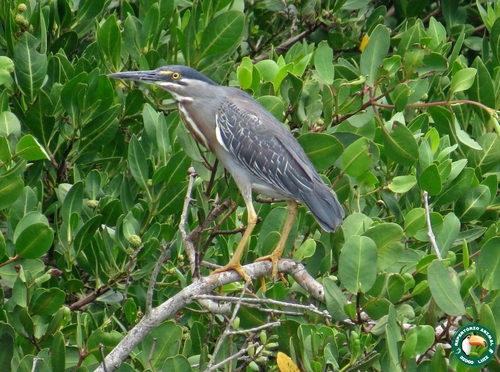 Striated Heron
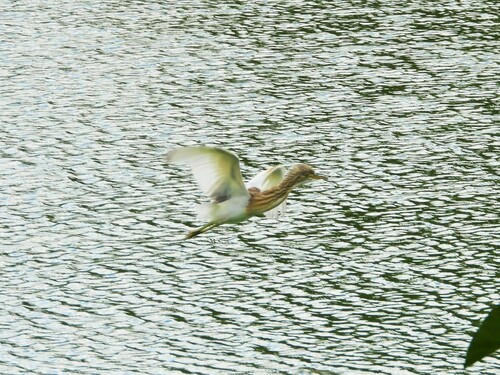 Malagasy Pond Heron
In short
The most reliable field mark between Striated Heron and Malagasy Pond Heron is the upperwing and body color in adults: Striated Heron is always dark and blue-grey above, while adult Malagasy Pond Heron in breeding plumage is strikingly all-white, and in non-breeding/juvenile plumage is brownish with prominent white flight feathers. Juvenile Striated Herons are brown above and heavily streaked below, lacking the white wing panels of Malagasy Pond Heron. Structure is similar, but Striated Heron is slightly smaller and more compact. In flight, Malagasy Pond Heron's white wings (especially in adults) are a giveaway, while Striated Heron always looks dark. Habitat overlap is possible in Madagascar, but Malagasy Pond Heron is much rarer and more strictly colonial in breeding season.
Identification tips
- In flight, look for white in the wings: Malagasy Pond Heron (all ages) shows prominent white flight feathers, especially obvious in adults; Striated Heron is always dark above and below, with no white in the wings.
- Breeding adult Malagasy Pond Heron is all-white: If you see a heron with snow-white plumage and a deep blue bill, it is Malagasy Pond Heron in breeding plumage; Striated Heron never appears all-white.
- Non-breeding/juvenile Malagasy Pond Heron is brown with white wings: Even when not breeding, Malagasy Pond Heron shows white flight feathers in flight, and the body is brownish with buff and black crown; Striated Heron juveniles are brown and streaked but lack white in the wings.
- Striated Heron is always dark and compact: Adults are blue-grey above with a black cap and white or greyish underparts, never showing extensive white; legs are short and yellow.
- Juvenile Striated Heron is heavily streaked below: Look for strong streaking on the underparts and a brownish back; no white wing panels.
- Bill color differences: Malagasy Pond Heron has a green bill with a black tip in non-breeding, deep blue in breeding, and dull orange in juveniles; Striated Heron has a dark bill with a yellowish base.
- Eye color: Malagasy Pond Heron juveniles have pale green eyes; adults have yellow irises. Striated Heron always has yellow eyes.
- Leg color: Striated Heron has short yellow legs; Malagasy Pond Heron leg color is not specified as diagnostic, but generally less bright.
- Habitat context: Striated Heron is common in mangroves and along water edges; Malagasy Pond Heron is rare, colonial in breeding, and prefers reedbeds and papyrus swamps, especially in Madagascar.
- Behavior: Striated Heron is solitary and often motionless; Malagasy Pond Heron is territorial outside breeding but breeds in colonies.
- Size: Malagasy Pond Heron is slightly larger and bulkier, but this is subtle and not always reliable in the field.
- Posture: Striated Heron is compact and crouched; Malagasy Pond Heron can appear more upright, especially in breeding with elongated plumes.
- Seasonal presence: Malagasy Pond Heron is migratory and only present in Madagascar and nearby islands during breeding; Striated Heron is sedentary and more widespread.
- Mixed colonies: If seen in a large mixed heron colony in Madagascar, check for all-white birds (breeding Malagasy Pond Heron) among other species.
- No white morph in Striated Heron: Any all-white small heron in Madagascar is Malagasy Pond Heron, not Striated Heron.
Size
Striated Heron is slightly smaller and lighter, measuring 35–48 cm in length and weighing 130–250 g, with a wingspan of 52–60 cm. Malagasy Pond Heron is larger at 45–50 cm and 250–350 g. In the field, this size difference is subtle and often masked by posture, but Malagasy Pond Heron can appear bulkier, especially when standing upright or in breeding plumage with elongated plumes.
Plumage
- Juvenile/Immature birds: Juvenile Striated Heron is brown above and heavily streaked below, never showing extensive white on the wings. Juvenile Malagasy Pond Heron is brown overall but shows white flight feathers in the wing, especially visible in flight, and has a dull orange bill and pale green eyes.
- Adult non-breeding: Striated Heron adults are blue-grey above with a black cap and white underparts (variable from mid-grey to orangey or pinkish), yellow legs, and a dark line from bill to under-eye. Malagasy Pond Heron adults in non-breeding plumage are brown with buff and black on the crown and back, but still show mostly white flight feathers in flight, and a green bill with a black tip.
- Adult breeding: Striated Heron does not change much in breeding. Malagasy Pond Heron in breeding is almost entirely snow-white with a deep azure blue bill, and elongated plumes on neck and breast—very different from Striated Heron's dark, compact look.
- In flight: Striated Heron is always dark above and below with no white in the wings, while Malagasy Pond Heron (any age) shows prominent white in the wings, especially obvious in adults.
Behaviour
Striated Heron is mostly sedentary and solitary, often seen alone or in pairs, and is known for unusual behaviors like using tools or odd nest maintenance displays. Malagasy Pond Heron is migratory, highly territorial outside the breeding season, and breeds colonially in large mixed-species groups. It is more likely to be seen in groups during breeding, but otherwise keeps its distance from other herons. Striated Heron is more likely to be seen in mangroves or along water edges, often motionless or stalking.
Habitat
Striated Heron is widespread and common in mangroves, riverbanks, and wetlands throughout its range, including South America, the Caribbean, and parts of Africa and Asia. Malagasy Pond Heron is much rarer, breeding only in Madagascar, Réunion, and Seychelles, and wintering in eastern Africa. It favors reedbeds, papyrus swamps, and coastal islands for breeding, and is usually found well inland when foraging. In Madagascar, it may be seen in mixed colonies with other herons, but is otherwise scarce and localized.