

socozinho vs malagasy pond-heron
Butorides striata versus Ardeola idae
Jogue um quiz com socozinho e malagasy pond-heron
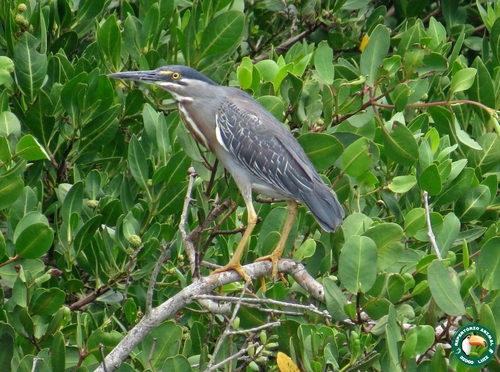 socozinho
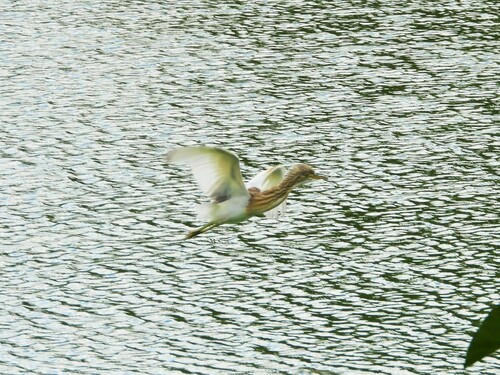 malagasy pond-heron
Em resumo
A marca de campo mais confiável entre o socozinho e o malagasy pond-heron é a cor da asa superior e do corpo em adultos: o socozinho é sempre escuro e azul-acinzentado por cima, enquanto o adulto malagasy pond-heron em plumagem de reprodução é impressionantemente todo branco, e em plumagem não reprodutiva/juvenil é acastanhado com penas de voo brancas proeminentes. Os juvenis de socozinho são marrons por cima e fortemente estriados por baixo, sem os painéis brancos das asas do malagasy pond-heron. A estrutura é semelhante, mas o socozinho é ligeiramente menor e mais compacto. Em voo, as asas brancas do malagasy pond-heron (especialmente em adultos) são uma indicação, enquanto o socozinho sempre parece escuro. A sobreposição de habitat é possível em Madagascar, mas o malagasy pond-heron é muito mais raro e mais estritamente colonial na época de reprodução.
Dicas de identificação
- Em voo, procure por branco nas asas: O malagasy pond-heron (todas as idades) mostra penas de voo brancas proeminentes, especialmente óbvias em adultos; o socozinho é sempre escuro por cima e por baixo, sem branco nas asas.
- O adulto malagasy pond-heron em reprodução é todo branco: Se você ver um garça com plumagem branca como a neve e um bico azul profundo, é o malagasy pond-heron em plumagem de reprodução; o socozinho nunca aparece todo branco.
- O malagasy pond-heron não reprodutivo/juvenil é marrom com asas brancas: Mesmo quando não está reproduzindo, o malagasy pond-heron mostra penas de voo brancas em voo, e o corpo é acastanhado com coroa e parte de trás em buff e preto; os juvenis de socozinho são marrons e estriados, mas não têm branco nas asas.
- O socozinho é sempre escuro e compacto: Os adultos são azul-acinzentado por cima com uma touca preta e partes inferiores brancas ou acinzentadas, nunca mostrando branco extenso; as pernas são curtas e amarelas.
- O juvenil socozinho é fortemente estriado por baixo: Procure por estrias fortes nas partes inferiores e um dorso acastanhado; sem painéis brancos nas asas.
- Diferenças na cor do bico: O malagasy pond-heron tem um bico verde com ponta preta em não reprodução, azul profundo em reprodução e laranja opaco em juvenis; o socozinho tem um bico escuro com base amarelada.
- Cor dos olhos: Os juvenis de malagasy pond-heron têm olhos verde pálido; os adultos têm íris amarelas. O socozinho sempre tem olhos amarelos.
- Cor das pernas: O socozinho tem pernas curtas e amarelas; a cor das pernas do malagasy pond-heron não é especificada como diagnóstica, mas geralmente é menos brilhante.
- Contexto de habitat: O socozinho é comum em manguezais e ao longo das margens de água; o malagasy pond-heron é raro, colonial na reprodução, e prefere leitos de junco e pântanos de papiro, especialmente em Madagascar.
- Comportamento: O socozinho é solitário e muitas vezes imóvel; o malagasy pond-heron é territorial fora da reprodução, mas se reproduz em colônias.
- Tamanho: O malagasy pond-heron é ligeiramente maior e robusto, mas isso é sutil e nem sempre confiável em campo.
- Postura: O socozinho é compacto e agachado; o malagasy pond-heron pode parecer mais ereto, especialmente na reprodução com plumas alongadas.
- Presença sazonal: O malagasy pond-heron é migratório e só está presente em Madagascar e ilhas próximas durante a reprodução; o socozinho é sedentário e mais disseminado.
- Colônias mistas: Se visto em uma grande colônia mista de garças em Madagascar, verifique se há aves totalmente brancas (malagasy pond-heron em reprodução) entre outras espécies.
- Sem morfo branco no socozinho: Qualquer garça pequena totalmente branca em Madagascar é o malagasy pond-heron, não o socozinho.
Tamanho
O socozinho é ligeiramente menor e mais leve, medindo 35–48 cm de comprimento e pesando 130–250 g, com uma envergadura de 52–60 cm. O malagasy pond-heron é maior, medindo 45–50 cm e pesando 250–350 g. Em campo, essa diferença de tamanho é sutil e muitas vezes mascarada pela postura, mas o malagasy pond-heron pode parecer mais robusto, especialmente quando está em pé ou em plumagem de reprodução com plumas alongadas.
Plumagem
- Aves Juvenis/Imaturas: O juvenil socozinho é marrom por cima e fortemente estriado por baixo, nunca mostrando branco extenso nas asas. O juvenil malagasy pond-heron é marrom no geral, mas mostra penas de voo brancas na asa, especialmente visíveis em voo, e tem um bico laranja opaco e olhos verde pálido.
- Adulto não reprodutivo: Os adultos de socozinho são azul-acinzentado por cima com uma touca preta e partes inferiores brancas (variando de cinza-médio a alaranjado ou rosado), pernas amarelas e uma linha escura do bico até abaixo do olho. Os adultos de malagasy pond-heron em plumagem não reprodutiva são marrons com buff e preto na coroa e nas costas, mas ainda mostram principalmente penas de voo brancas em voo, e um bico verde com ponta preta.
- Adulto reprodutivo: O socozinho não muda muito na reprodução. O malagasy pond-heron em reprodução é quase totalmente branco como a neve com um bico azul profundo, e plumas alongadas no pescoço e no peito—muito diferente da aparência escura e compacta do socozinho.
- Em voo: O socozinho é sempre escuro por cima e por baixo, sem branco nas asas, enquanto o malagasy pond-heron (de qualquer idade) mostra branco proeminente nas asas, especialmente óbvio em adultos.
Comportamento
O socozinho é principalmente sedentário e solitário, muitas vezes visto sozinho ou em pares, e é conhecido por comportamentos incomuns, como o uso de ferramentas ou exibições estranhas de manutenção de ninho. O malagasy pond-heron é migratório, altamente territorial fora da época de reprodução, e se reproduz colonialmente em grandes grupos de espécies mistas. É mais provável que seja visto em grupos durante a reprodução, mas, caso contrário, mantém distância de outras garças. O socozinho é mais provável de ser visto em manguezais ou ao longo das margens de água, muitas vezes imóvel ou se esgueirando.
Habitat
O socozinho é amplamente distribuído e comum em manguezais, margens de rios e zonas úmidas em toda a sua área de distribuição, incluindo América do Sul, Caribe e partes da África e Ásia. O malagasy pond-heron é muito mais raro, reproduzindo-se apenas em Madagascar, Réunion e Seychelles, e invernando na África oriental. Ele prefere leitos de junco, pântanos de papiro e ilhas costeiras para reprodução, e geralmente é encontrado bem no interior ao forragear. Em Madagascar, pode ser visto em colônias mistas com outras garças, mas é escasso e localizado.