

Motmot

Siberian Stonechat vs Amur Stonechat

Saxicola maurus versus Saxicola stejnegeri

Play a quiz with Siberian Stonechat and Amur Stonechat
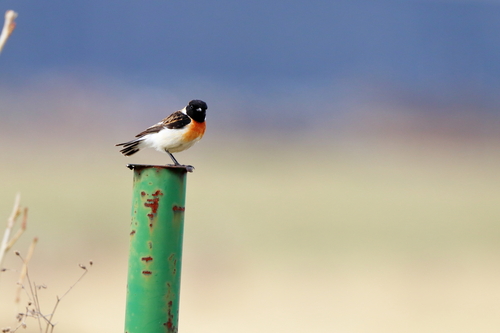
Siberian Stonechat (Saxicola maurus) Siberian Stonechat
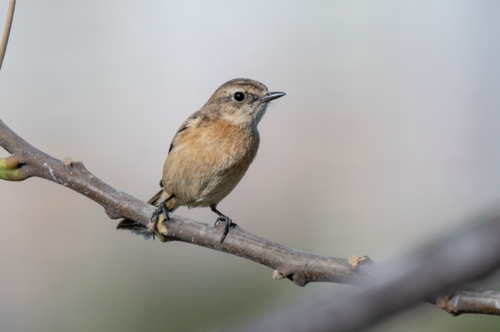
Amur Stonechat (Saxicola stejnegeri) Amur Stonechat

Media

Loading…

In short

Separating Siberian Stonechat (Saxicola maurus) from Amur Stonechat (Saxicola stejnegeri) in the field is notoriously difficult, especially outside the breeding season and among immatures. The most reliable field mark, when visible, is the extent and brightness of white on the rump and wing: Amur Stonechat tends to show more extensive white, but this is subtle and variable. Both species are very similar in structure and general jizz, so careful attention to plumage details—especially in males during the breeding season—is essential. Females and non-breeding birds are even trickier, with differences often too slight for confident separation except in direct comparison or with excellent views. Age-related wing and rump patterns are not described in detail in the available sources, so focus on adult male plumage and the distribution of white in the wing and rump as your primary clues.

Identification tips

  1. White rump and wing panel (adults, especially males): Amur Stonechat (S. stejnegeri) typically shows a larger, brighter white rump and more extensive white on the wing coverts than Siberian Stonechat (S. maurus). This is the most useful field mark but is subtle and variable—best judged with direct comparison or excellent views.
  2. Breeding male plumage: Both species have black heads and upperparts, a white collar, and white rump, but Amur's white areas are usually more extensive and brighter. Siberian males may appear slightly darker above and paler below, with less orange on the breast.
  3. Female and non-breeding plumage: Females and non-breeding males are very similar: pale brown above, white neck patches (not a full collar), pale unstreaked rump. Separation is extremely challenging and generally not possible without close views of the rump and wing.
  4. Orange on breast (males): Siberian Stonechat tends to have less orange on the breast than Amur, but this is subtle and overlaps.
  5. White collar: Both species have a conspicuous white collar in males, but this is not diagnostic between them.
  6. Scapular patch: Both show a white scapular patch; not reliably different.
  7. Supercilium (non-breeding males): Both can show a pale supercilium in non-breeding plumage, resembling Whinchat, but this does not separate the two.
  8. Juvenile/immature wing pattern: No distinctive differences are described in the sources; do not rely on this feature.
  9. Structure and jizz: Both species are structurally identical in the field—upright, small flycatchers with similar bill, tail, and wing shapes.
  10. Habitat and behavior: Not useful for separation; both use similar open habitats and behave alike.
  11. Voice: No diagnostic differences are described in the sources.
  12. Pitfalls: Overlap in all plumage features is significant, especially in females and non-breeding birds. Only males in fresh breeding plumage with clear views of the rump and wing can be separated with any confidence.
  13. Geographic context: If known, range can help, but there is overlap and vagrancy in both species—do not rely solely on location.
  14. Direct comparison: If both species are present, compare the extent and brightness of white on rump and wing directly; otherwise, be cautious about claiming a firm identification.
  15. Uncertainty: For many field views, especially of females and immatures, it may not be possible to separate these species reliably—honest uncertainty is often the best answer.

Size

No meaningful size difference is reported between Siberian and Amur Stonechats. Both are small, upright flycatchers with similar proportions and structure. Bill size, tail length, and overall body shape are not reliably different in the field.

Plumage

Plumage differences are subtle and mostly concern the amount and brightness of white on the rump and wing, especially in adult males. Amur Stonechat (S. stejnegeri) generally shows more extensive white on the rump and wing coverts than Siberian Stonechat (S. maurus), but this is a matter of degree and can overlap. In breeding males, both have black heads and upperparts, a white collar, and a white rump, but Amur tends to have a larger and brighter white rump and more obvious white in the wing. Females and non-breeding males are pale brown above with a pale, unstreaked rump and white neck patches (not a full collar), and are extremely similar between the two species. There is no detailed information on distinctive juvenile or immature wing patterns for either species in the provided sources.

Behaviour

Both species behave similarly, perching upright on exposed stems or wires, sallying for insects, and flicking their tails. Flight style and foraging behavior are not reported as distinctive between the two.

Habitat

Habitat preferences are essentially identical: both species breed in open country with scattered shrubs, grasslands, and agricultural areas across northern and central Asia. There is no reliable habitat-based separation in the field.

Submit a better description

Use the same sections as the comparison. Your text is published immediately.

Separating Siberian Stonechat (Saxicola maurus) from Amur Stonechat (Saxicola stejnegeri) in the field is notoriously difficult, especially outside the breeding season and among immatures. The most reliable field mark, when visible, is the extent and brightness of white on the rump and wing: Amur Stonechat tends to show more extensive white, but this is subtle and variable. Both species are very similar in structure and general jizz, so careful attention to plumage details—especially in males during the breeding season—is essential. Females and non-breeding birds are even trickier, with differences often too slight for confident separation except in direct comparison or with excellent views. Age-related wing and rump patterns are not described in detail in the available sources, so focus on adult male plumage and the distribution of white in the wing and rump as your primary clues.

  1. White rump and wing panel (adults, especially males): Amur Stonechat (S. stejnegeri) typically shows a larger, brighter white rump and more extensive white on the wing coverts than Siberian Stonechat (S. maurus). This is the most useful field mark but is subtle and variable—best judged with direct comparison or excellent views.
  2. Breeding male plumage: Both species have black heads and upperparts, a white collar, and white rump, but Amur's white areas are usually more extensive and brighter. Siberian males may appear slightly darker above and paler below, with less orange on the breast.
  3. Female and non-breeding plumage: Females and non-breeding males are very similar: pale brown above, white neck patches (not a full collar), pale unstreaked rump. Separation is extremely challenging and generally not possible without close views of the rump and wing.
  4. Orange on breast (males): Siberian Stonechat tends to have less orange on the breast than Amur, but this is subtle and overlaps.
  5. White collar: Both species have a conspicuous white collar in males, but this is not diagnostic between them.
  6. Scapular patch: Both show a white scapular patch; not reliably different.
  7. Supercilium (non-breeding males): Both can show a pale supercilium in non-breeding plumage, resembling Whinchat, but this does not separate the two.
  8. Juvenile/immature wing pattern: No distinctive differences are described in the sources; do not rely on this feature.
  9. Structure and jizz: Both species are structurally identical in the field—upright, small flycatchers with similar bill, tail, and wing shapes.
  10. Habitat and behavior: Not useful for separation; both use similar open habitats and behave alike.
  11. Voice: No diagnostic differences are described in the sources.
  12. Pitfalls: Overlap in all plumage features is significant, especially in females and non-breeding birds. Only males in fresh breeding plumage with clear views of the rump and wing can be separated with any confidence.
  13. Geographic context: If known, range can help, but there is overlap and vagrancy in both species—do not rely solely on location.
  14. Direct comparison: If both species are present, compare the extent and brightness of white on rump and wing directly; otherwise, be cautious about claiming a firm identification.
  15. Uncertainty: For many field views, especially of females and immatures, it may not be possible to separate these species reliably—honest uncertainty is often the best answer.

No meaningful size difference is reported between Siberian and Amur Stonechats. Both are small, upright flycatchers with similar proportions and structure. Bill size, tail length, and overall body shape are not reliably different in the field.

Plumage differences are subtle and mostly concern the amount and brightness of white on the rump and wing, especially in adult males. Amur Stonechat (S. stejnegeri) generally shows more extensive white on the rump and wing coverts than Siberian Stonechat (S. maurus), but this is a matter of degree and can overlap. In breeding males, both have black heads and upperparts, a white collar, and a white rump, but Amur tends to have a larger and brighter white rump and more obvious white in the wing. Females and non-breeding males are pale brown above with a pale, unstreaked rump and white neck patches (not a full collar), and are extremely similar between the two species. There is no detailed information on distinctive juvenile or immature wing patterns for either species in the provided sources.

Both species behave similarly, perching upright on exposed stems or wires, sallying for insects, and flicking their tails. Flight style and foraging behavior are not reported as distinctive between the two.

Habitat preferences are essentially identical: both species breed in open country with scattered shrubs, grasslands, and agricultural areas across northern and central Asia. There is no reliable habitat-based separation in the field.

Discard your changes?

You have unsaved edits. If you leave now, those changes will be lost.

Siberian Stonechat · Amur Stonechat · My Tricky Birds