

Saltimpalo siberiano vs Amur Stonechat
Saxicola maurus contro Saxicola stejnegeri
Fai un quiz con Saltimpalo siberiano e Amur Stonechat
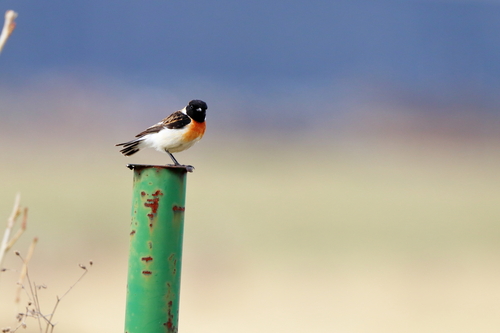 Saltimpalo siberiano
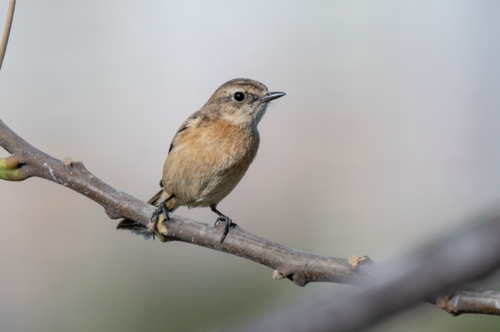 Amur Stonechat
In breve
Separare il Saltimpalo siberiano (Saxicola maurus) dall'Amur Stonechat (Saxicola stejnegeri) sul campo è notoriamente difficile, specialmente al di fuori della stagione riproduttiva e tra gli immaturi. Il segno distintivo più affidabile, quando visibile, è l'estensione e la luminosità del bianco sul sopraccoda e sull'ala: l'Amur Stonechat tende a mostrare un bianco più esteso, ma questo è sottile e variabile. Entrambe le specie sono molto simili nella struttura e nel comportamento generale, quindi è essenziale prestare attenzione ai dettagli del piumaggio—specialmente nei maschi durante la stagione riproduttiva. Le femmine e gli uccelli non riproduttivi sono ancora più difficili da distinguere, con differenze spesso troppo lievi per una separazione sicura, tranne che in confronto diretto o con ottime visuali. I modelli di ali e sopraccoda legati all'età non sono descritti in dettaglio nelle fonti disponibili, quindi concentrati sul piumaggio dei maschi adulti e sulla distribuzione del bianco nell'ala e nel sopraccoda come tuoi indizi principali.
Consigli di identificazione
- Sopraccoda e pannello dell'ala bianchi (adulti, specialmente maschi): L'Amur Stonechat (S. stejnegeri) mostra tipicamente un sopraccoda bianco più grande e luminoso e un bianco più esteso sulle copritrici dell'ala rispetto al Saltimpalo siberiano (S. maurus). Questo è il segno distintivo più utile, ma è sottile e variabile—meglio giudicato con confronto diretto o ottime visuali.
- Piumaggio dei maschi in riproduzione: Entrambe le specie hanno teste e parti superiori nere, un collare bianco e un sopraccoda bianco, ma le aree bianche dell'Amur sono solitamente più estese e luminose. I maschi siberiani possono apparire leggermente più scuri sopra e più chiari sotto, con meno arancione sul petto.
- Piumaggio delle femmine e dei maschi non in riproduzione: Le femmine e i maschi non in riproduzione sono molto simili: marrone chiaro sopra, macchie bianche sul collo (non un collare completo), sopraccoda chiaro e non striato. La separazione è estremamente difficile e generalmente non possibile senza visuali ravvicinate del sopraccoda e dell'ala.
- Arancione sul petto (maschi): Il Saltimpalo siberiano tende ad avere meno arancione sul petto rispetto all'Amur, ma questo è sottile e sovrapposto.
- Collare bianco: Entrambe le specie hanno un collare bianco evidente nei maschi, ma questo non è diagnostico tra di loro.
- Macchia scapolare: Entrambe mostrano una macchia scapolare bianca; non sono affidabilmente diverse.
- Supercilium (maschi non in riproduzione): Entrambe possono mostrare un supercilium chiaro nel piumaggio non riproduttivo, somigliante allo Stiaccino, ma questo non separa i due.
- Modello delle ali nei giovanili/immaturi: Non sono descritte differenze distintive nelle fonti; non fare affidamento su questa caratteristica.
- Struttura e comportamento generale: Entrambe le specie sono strutturalmente identiche sul campo—dritti, piccoli catturatori di insetti con forme simili di becco, coda e ali.
- Habitat e comportamento: Non utile per la separazione; entrambe utilizzano habitat aperti simili e si comportano in modo simile.
- Voce: Non sono descritte differenze diagnostiche nelle fonti.
- Trappole: La sovrapposizione in tutte le caratteristiche del piumaggio è significativa, specialmente nelle femmine e negli uccelli non in riproduzione. Solo i maschi in piumaggio riproduttivo fresco con visuali chiare del sopraccoda e dell'ala possono essere separati con una certa fiducia.
- Contesto geografico: Se noto, l'areale può aiutare, ma c'è sovrapposizione e vagabondaggio in entrambe le specie—non fare affidamento solo sulla posizione.
- Confronto diretto: Se entrambe le specie sono presenti, confronta direttamente l'estensione e la luminosità del bianco sul sopraccoda e sull'ala; altrimenti, sii cauto nel rivendicare un'identificazione certa.
- Incertezze: Per molte visuali sul campo, specialmente di femmine e immaturi, potrebbe non essere possibile separare queste specie in modo affidabile—l'incertezza onesta è spesso la migliore risposta.
Taglia
Non è riportata alcuna differenza di dimensione significativa tra il Saltimpalo siberiano e l'Amur Stonechat. Entrambi sono piccoli, dritti catturatori di insetti con proporzioni e struttura simili. La dimensione del becco, la lunghezza della coda e la forma generale del corpo non sono affidabilmente diverse sul campo.
Piumaggio
Le differenze nel piumaggio sono sottili e riguardano principalmente la quantità e la luminosità del bianco sul sopraccoda e sull'ala, specialmente nei maschi adulti. L'Amur Stonechat (S. stejnegeri) mostra generalmente un bianco più esteso sul sopraccoda e sulle copritrici dell'ala rispetto al Saltimpalo siberiano (S. maurus), ma questo è una questione di grado e può sovrapporsi. Nei maschi in riproduzione, entrambi hanno teste e parti superiori nere, un collare bianco e un sopraccoda bianco, ma l'Amur tende ad avere un sopraccoda bianco più grande e luminoso e un bianco più evidente nell'ala. Le femmine e i maschi non in riproduzione sono marrone chiaro sopra con un sopraccoda chiaro e non striato e macchie bianche sul collo (non un collare completo), e sono estremamente simili tra le due specie. Non ci sono informazioni dettagliate sui modelli distintivi delle ali giovanili o immaturi per nessuna delle due specie nelle fonti fornite.
Comportamento
Entrambe le specie si comportano in modo simile, posandosi dritti su steli o fili esposti, lanciandosi per catturare insetti e muovendo le loro code. Lo stile di volo e il comportamento di foraggiamento non sono riportati come distintivi tra i due.
Habitat
Le preferenze di habitat sono essenzialmente identiche: entrambe le specie nidificano in campi aperti con arbusti sparsi, praterie e aree agricole attraverso il nord e il centro dell'Asia. Non c'è una separazione affidabile basata sull'habitat sul campo.
Saltimpalo siberiano · Amur Stonechat · I miei uccelli difficili